
An uptick in Australia’s unemployment could scare the Reserve Bank off more rate hikes as fears grow about the impact of the Iran war on the economy.
The jobless rate is expected to remain at 4.3 per cent, with another 20,000 jobs added for April, when the Australian Bureau of Statistics releases the results of its latest Labour Force survey on Thursday.
“A resilient outcome in line with expectations would support the case for further RBA rate hikes in the months ahead,” IG market analyst Tony Sycamore said.
“A noticeably softer result, however, especially one that sees the jobless rate edge toward 4.5 per cent, would see the rates market dial back expectations for additional rate hikes later this year.”
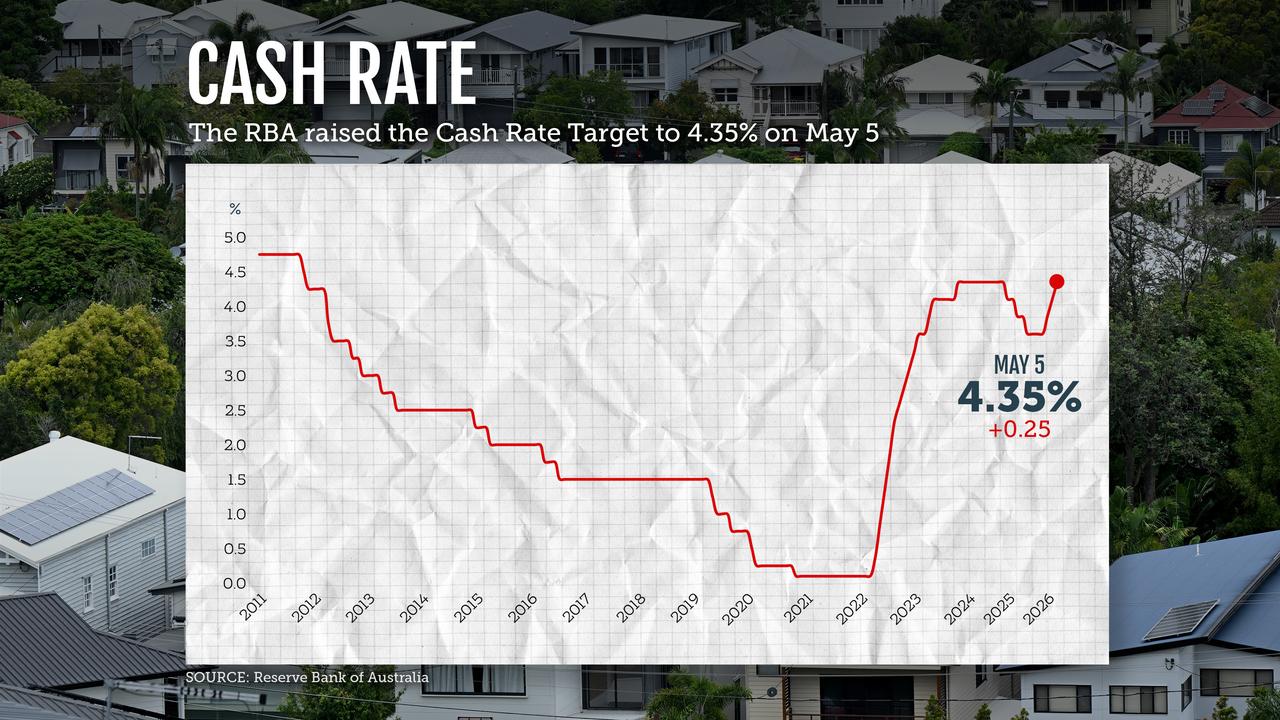
Money markets were pricing in about a one-in-10 chance of a hike at the next RBA meeting in June but had fully priced in one rate rise by November.
Minutes from the central bank’s meeting earlier in May, released on Tuesday, showed most board members still agreed fighting inflation was the priority, even though the risks to economic activity and employment were gathering.
Market economists also warned of worsening impacts on the labour market the longer the Iran war drags on.
That poses a dilemma for the Reserve Bank board, which must balance the dual priorities of keeping price growth under control and targeting full employment.
Commonwealth Bank on Wednesday downgraded its economic growth forecast from 1.9 per cent to 1.6 per cent by the end of 2026 and upgraded its peak unemployment forecast from 4.4 per cent to 4.6 per cent.
“That leaves the RBA facing a difficult trade-off,” said CBA economists Belinda Allen, Ashwin Clarke and Harry Ottley in a research note.
“Inflation was already running too hot and will go higher from here. At the same time, growth is likely to slow over coming months, which should bring demand more into line with supply and gradually reduce price pressures.”
The labour market was still showing resilience in April data released by online jobs marketplace SEEK.
Job ads increased 0.2 per cent over the month, while advertised salary growth rose 0.4 per cent.
Importantly, the growth in jobs ads was broad-based across every state and territory, except the ACT, SEEK chief economist Blair Chapman said.
“While this is positive, we shouldn’t underestimate the headwinds still facing Australian businesses,” he said.
“With inflation rising and fuel costs driving up business and living cost pressures, hiring confidence is understandably muted as we head into the final months of the financial year.”