
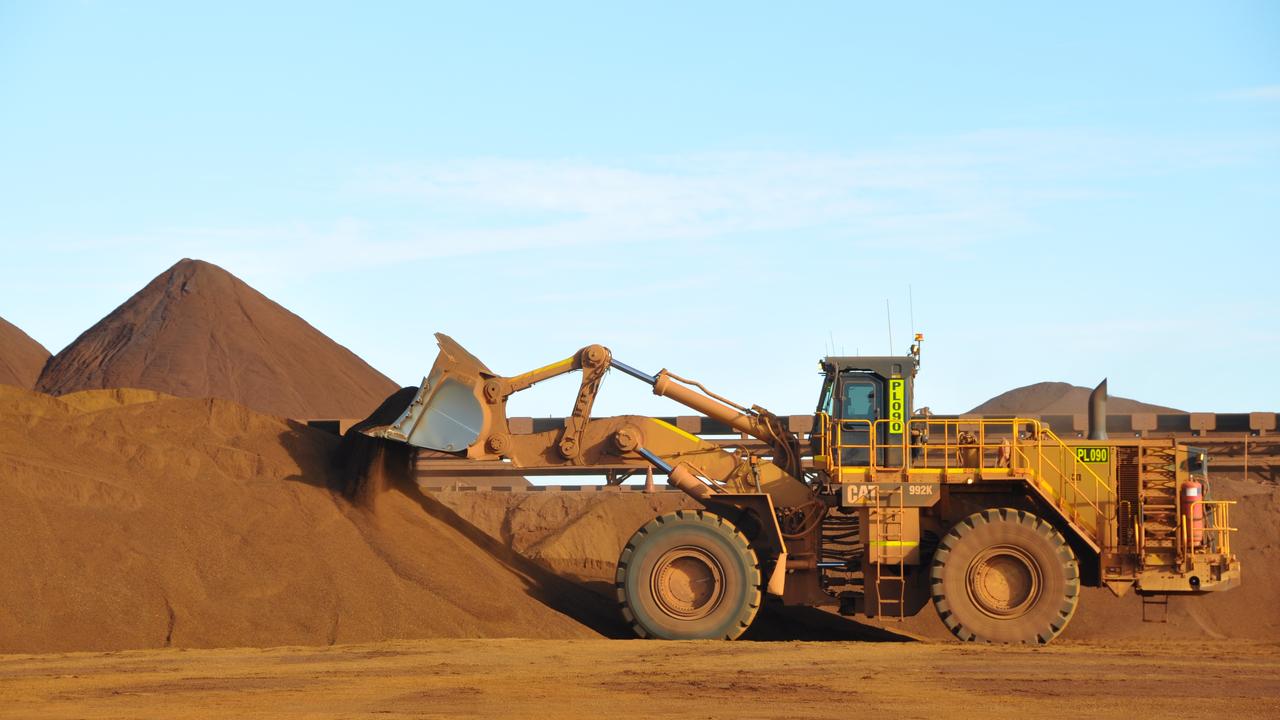
Australia’s mining industry is using a quarter more diesel than it did four years ago just to achieve the same output, despite fuel shortages crippling the nation.
Every major Australian coal mining company is using more fuel now than in 2021/22, modelling from the Institute for Energy Economics and Financial Analysis shows.
But even as the price of diesel skyrockets due to the closure of the Strait of Hormuz, fuel intensity rates are locked in, due to Australia’s mining sector not yet having the ability to move to alternatives.
Workers also have to dig deeper in open-cut mines to reach coal seams than they did in previous years.
With large volumes of dirt and rock having to be removed, more fuel is burned as a result
“The main solutions tend to be electrification or alternative fuels, such as biofuels or hydrogen-based fuels, but the most promising solutions vary depending on the sector considered, and so does their maturity,” the institute’s Australian chief executive Amandine Denis-Ryan said during an online panel.
“One of the challenges is access to large new volumes of electricity in often remote sites.”
Despite that, Australia has the lowest stockpile of all 32 International Energy Agency members and about half the volume recommended.
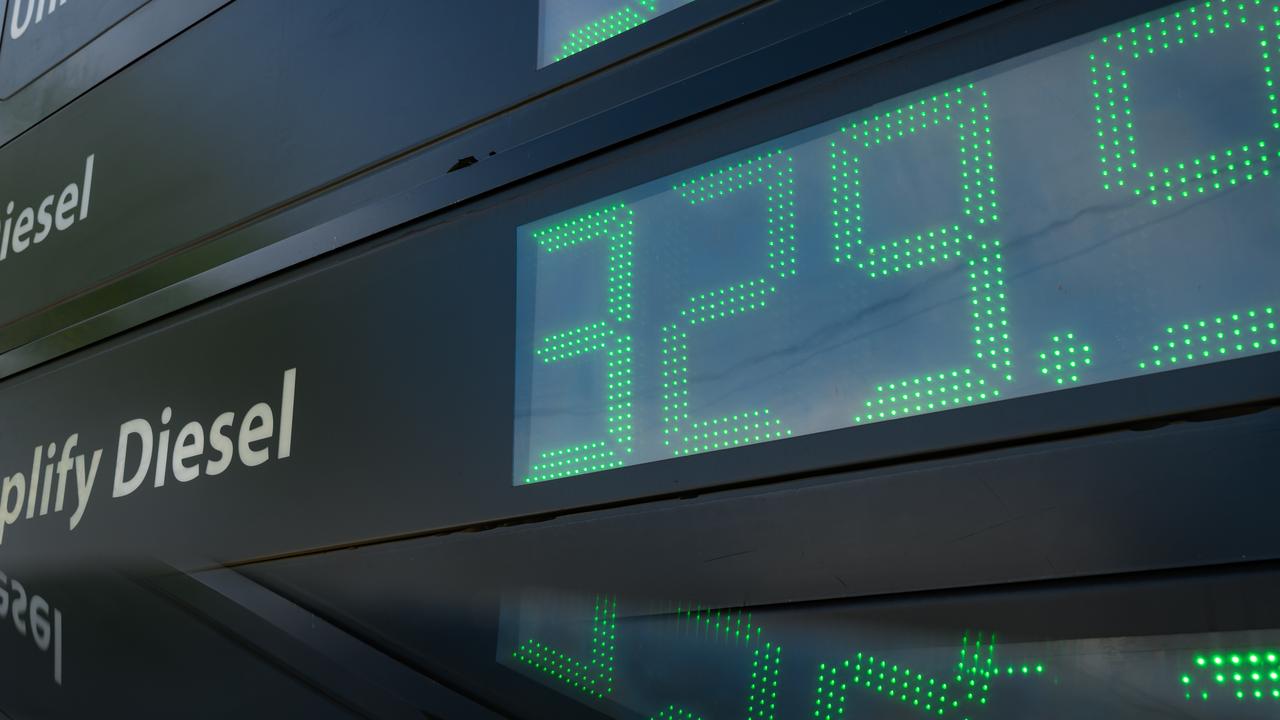
“That is really telling in an agency like this where we have a very large oil shock in terms of supply, given the closure of the Strait of Hormuz,” the Institute’s energy finance analyst Kevin Morrison said.
“That’s why we have seen a lot of energy diplomacy by Australian politicians to secure more supplies,”
The government’s discount on the fuel excise duty, which shaves 26 cents off a litre, will expire at the end of June.
Ms Denis-Ryan said consumers were likely to feel the pinch of rising diesel prices at the bowsers.
While Australia’s indexed demand for diesel has climbed rapidly over the last decade, the demand for petrol is quite stable.