
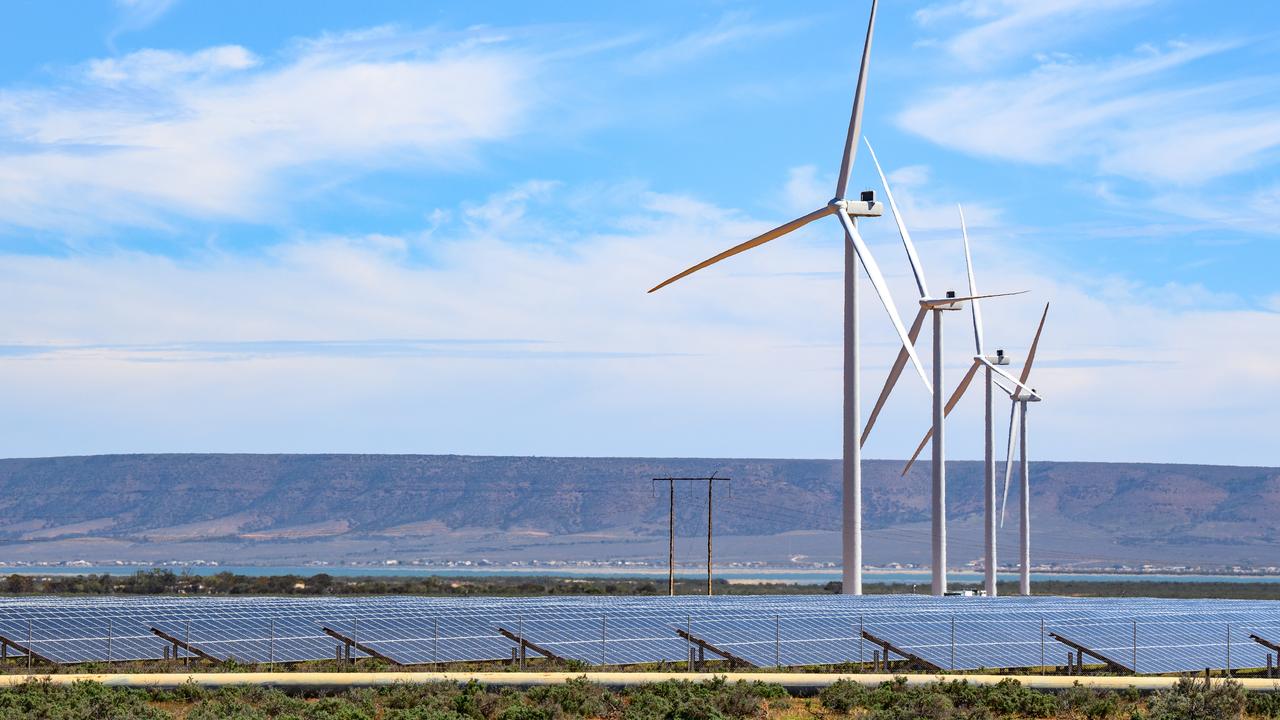
War in the Middle East and the fuel crunch it has triggered have forced a frantic redrafting of the federal budget papers.
Before the conflict disrupted the narrow stretch of water that roughly 20 per cent of global oil supplies sail through, penny-pinching and reform was being touted to improve Australia’s long-term financial position.
However the government has since temporarily halved the tax on petrol and diesel to give immediate relief from blisteringly high fuel prices at a $2.5 billion cost to the public purse.
“There’s a real tightrope they’re going to have to walk to get it right,” reckons Grattan Institute energy and climate change program director Alison Reeve.
“They’ve found themselves with this crisis to deal with but they also need to be very careful about the structure of that spending because you also don’t want it to be inflationary.”

In addition, some sections of the community are genuinely hurting and providing no government assistance risks political pain, she adds.
There have been calls from the federal opposition and others to fast-track mining exploration but Ms Reeve says policymakers should be focused on cutting dependence on imported fuels via electrification and renewables.
Climate Change and Energy Minister Chris Bowen broadly agrees.
“No war can impede the flow of sun to Australia,” he told reporters on Monday.
“No sanctions can be applied to wind.”
Unveiling a four-point budget plan to “Trump-proof” the Australian economy from the energy crisis last week, Climate Council chief executive Amanda McKenzie urged the government to steer clear of short-term fixes.
“It needs to meet the moment by reducing reliance on fossil fuels and investing in reliable, affordable Australian power from the sun, wind and batteries.”
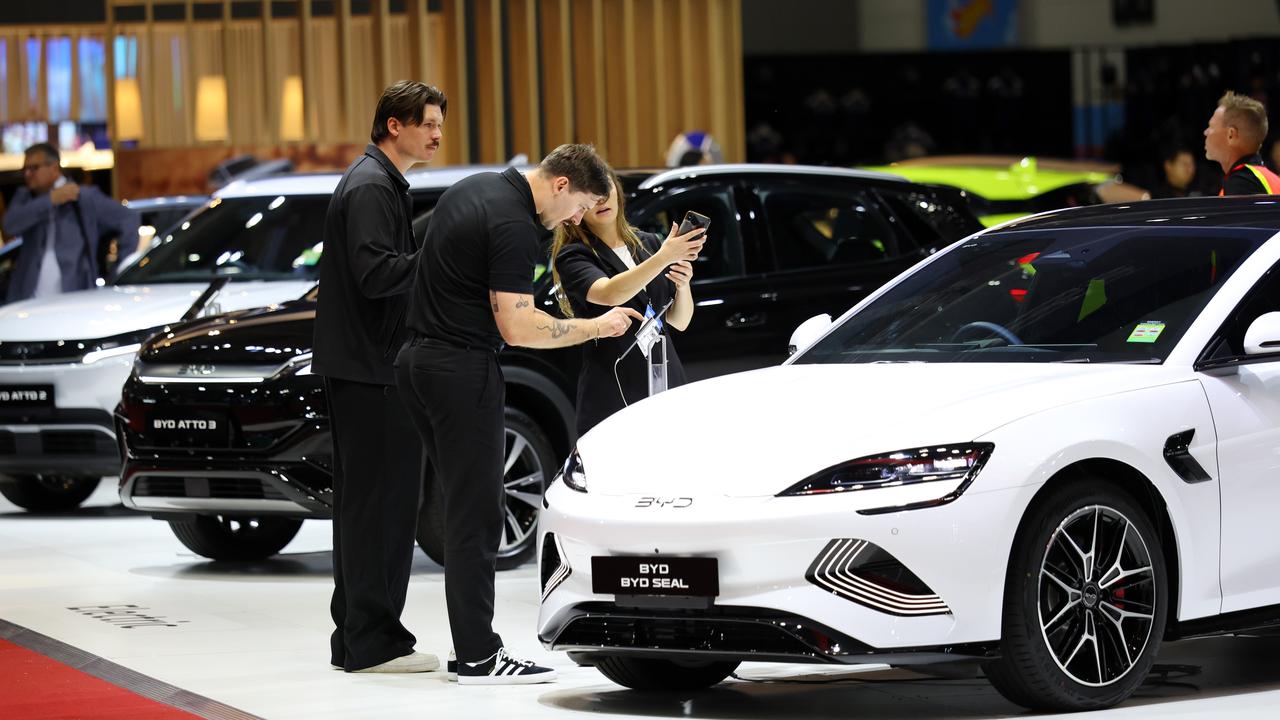
Transport is a prime opportunity to lighten imported fuel dependence.
Electric vehicles are already freeing up almost 15 million litres of petrol and diesel every week and EV interest has exploded since the war began, with sales surging for new and second-hand cars.
Yet rumoured tax settings tweaks have electric vehicle advocates concerned the pace of adoption could be weakened at a time when momentum is needed most
Recent remarks from Transport Minister Catherine King suggest the well-signposted introduction of road-user charge – which would charge motorists per kilometre driven – may be put off as the government shies from any potential disincentive to immediate EV uptake.
A rework of the fringe benefits tax discount, which allows salary packaging for electric cars, has also reportedly been on the cards.
Ms Reeve says there is a case for restructuring the discount settings to lower costs and improve equity without abolishing it altogether.
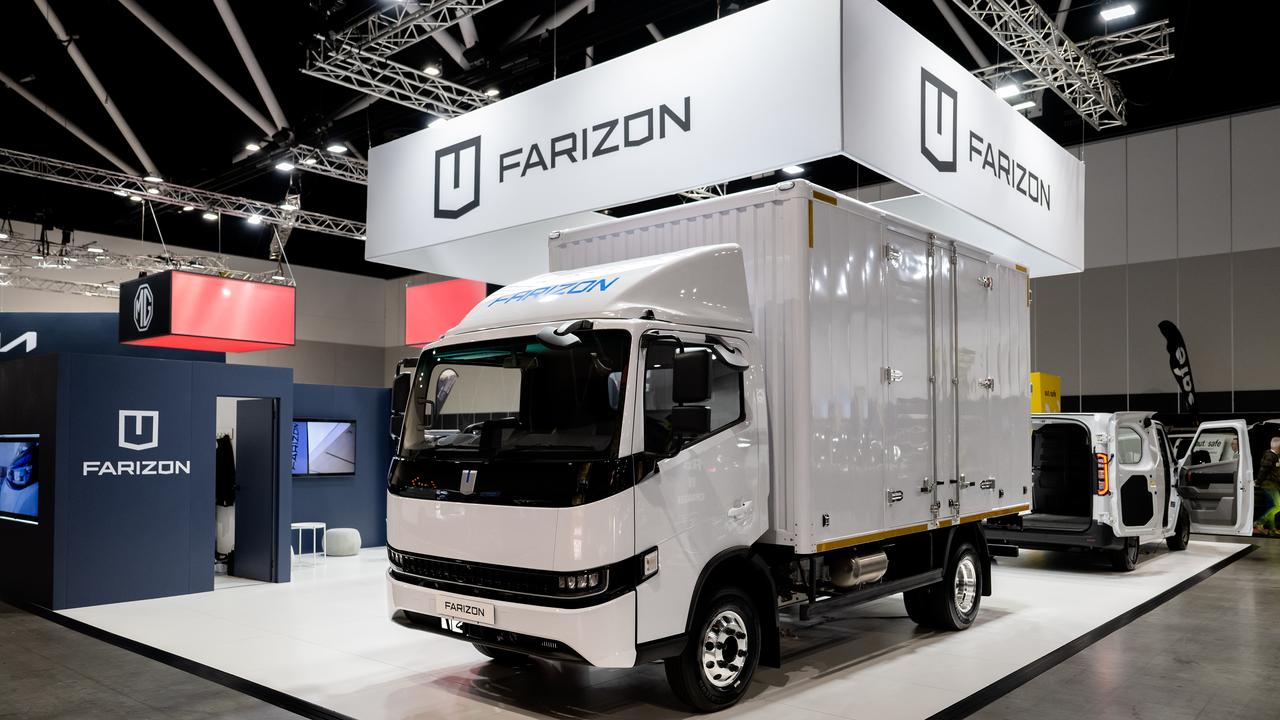
Freight has also dominated headlines as punishingly high diesel costs squeeze the sector and add to grocery and good transport costs.
Charging infrastructure along busy freight corridors would be an attractive candidate for additional government support, Ms Reeve says, as well as low-cost financing options to help owner-drivers purchase electric trucks.
Mining machinery is also heavily reliant on imported fuels.
Mining companies and other off-site diesel users are entitled to exemptions on diesel excise, a credit scheme initially set up in recognition the revenue raised at the pump would fund public roads.
Yet the Australian Council of Trade Unions and other groups argue the credit allowance is too generous and creates little incentive for miners to electrify.
Australian National University professor of engineering Andrew Blakers says reworking the tax exemptions could nudge more miners in the direction spearheaded by Fortescue, the iron ore giant pursuing aggressive cuts to onsite diesel use.
“Fifty per cent of new truck sales in China are electric,” he tells AAP.
“All this nonsense about the truck electric trucks not being ready is plain wrong.”
Australia is already making inroads on its broader transition to a renewably-powered grid.
Yet Prof Blakers flags areas demanding further attention, including additional large-scale pumped hydro projects to provide storage for an electrifying economy.

Electrify Armidale convenor Trevor Brown wants a federal budget that does more for households locked out of home electrification and solar.
Schemes such as the wildly-successful home battery program, for example, could do more to include low-income households and renters, he says.
Government-supported local energy hubs would also be useful for regional areas with knowledge gaps.
“It’s really mostly about educating, initially,” he says.
“If we can encourage households to insulate and not leave their oven doors open all day and all night, to stop these huge electricity bills they can’t afford.”
Ahead of the federal budget due on May 12, gas exports have emerged as a prominent battleground.
Unions, the Greens and crossbenchers have been calling for higher taxes on LNG to capture more of the conflict-driven windfall profits.
Gas industry group Australian Energy Producers has been spearheading the defence.
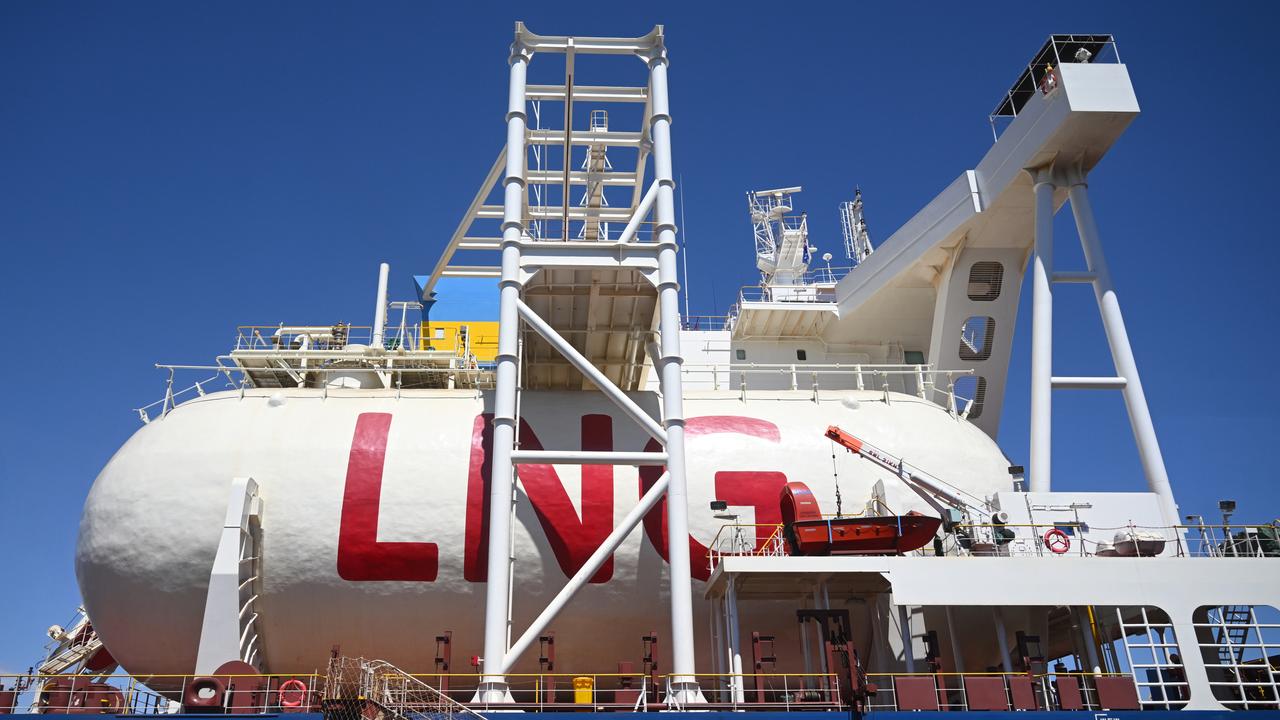
It argues that it would drive investment offshore and jeopardise future energy supply at a time of global uncertainty.
It should be noted that the prime minister’s department has reportedly ordered Treasury modelling of “new levy options” on the gas industry.
However Resources Minister Madeleine King has also flagged the huge sums of private capital invested in gas projects that also supply the domestic market.