
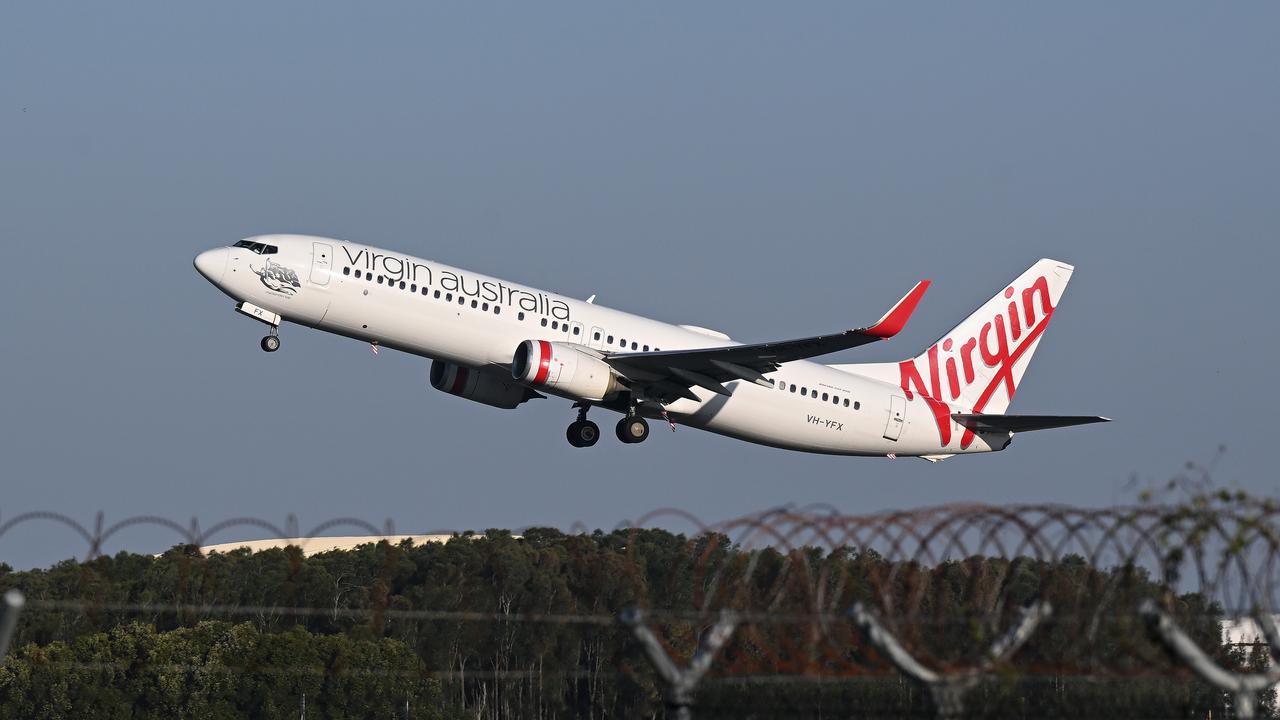
Virgin Australia is back-paying tax after exiting administration more than five years ago and returning to the stock exchange.
The carrier’s bottom-line interim net profit – the first reported since it re-listed in June – fell almost 28 per cent to $341 million.
The first-half decline was the result of a 30 per cent effective tax rate incurred after getting out of administration in late 2020.
“Due to sustained profit delivery since exiting administration, all tax losses have been fully utilised and Virgin Australia is now in a tax-paying position,” it said in a statement on Friday.

The airline’s underlying earnings – before interest and tax – for the first half of 2025/26 rose almost 12 per cent to $490 million.
The result was driven by revenue growth of 9.3 per cent in the six months ended December, supported by strong demand, especially in the leisure market.
It booked revenue per available seat kilometre growth of 6.4 per cent.
Virgin transported more than 11 million passengers across Australia and to international destinations during the half, which was a 3.4 per cent improvement on the same period last year.
“However, cost pressures persist across the industry with costs growing above inflation in several areas of the aviation supply chain, including airport charges and aircraft maintenance,” CEO Dave Emerson said.
“The broader aviation industry must remain vigilant on costs so aviation doesn’t become unaffordable for Australians.”
Mr Emerson’s remarks mirrored those made on Thursday by Qantas CEO Vanessa Hudson.
Looking ahead, Virgin is forecasting continued growth underlying earnings before interest and tax in the second half of the financial year.