
Australia’s unemployment is widely tipped to be on the rise once again following a surprise fall.
The Australian Bureau of Statistics will release the first lot of labour force figures of 2026 on Thursday, with a slight rise to 4.2 per cent for January expected.
A fall in the seasonally adjusted rate to 4.1 per cent in December took forecasters by surprise.
NAB senior economist Taylor Nugent said a course correction was on the cards for January’s data.
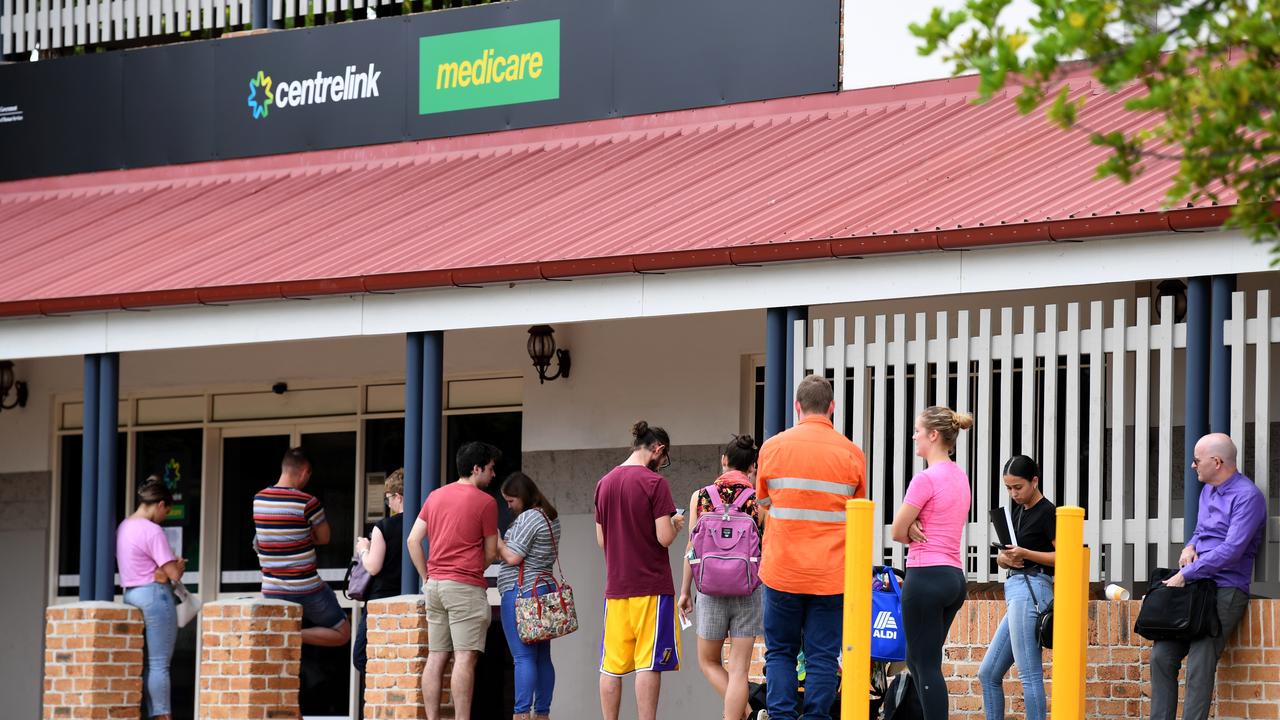
It’s expected 20,000 more jobs will be added to the economy for the month.
“The past three Januarys have seen a 10 to 15 basis point rise in the unemployment rate that was partially reversed in February, because there have been more people unemployed but attached to a job they were waiting to start than was normal prior to the pandemic,” Mr Nugent said.
“That effect does seem to be fading year by year but after the surprise two-tenths fall in December, it does support the expectation for some reversal in January.”
The surprise drop in jobless numbers was driven by a rise of 65,000 employed people for December, with more 15 to 24-year-olds moving into work.
Wage figures released on Wednesday showed pay packets were not keeping up with inflation.
Seasonally adjusted wages rose to 3.4 per cent for the year to December, but below the 3.8 per cent for annual inflation.
It’s the first time there has been a drop in real wages since September 2023.
Treasurer Jim Chalmers did not say when he expected salaries to be above the rate of rising costs.
“It’s clear from the Reserve Bank’s forecasts that the inflation number will be higher than we’d like for a little while now this year,” he said.
“They’ve got inflation peaking around the middle of the year and then coming down after that, and that will have implications for real wages.”