
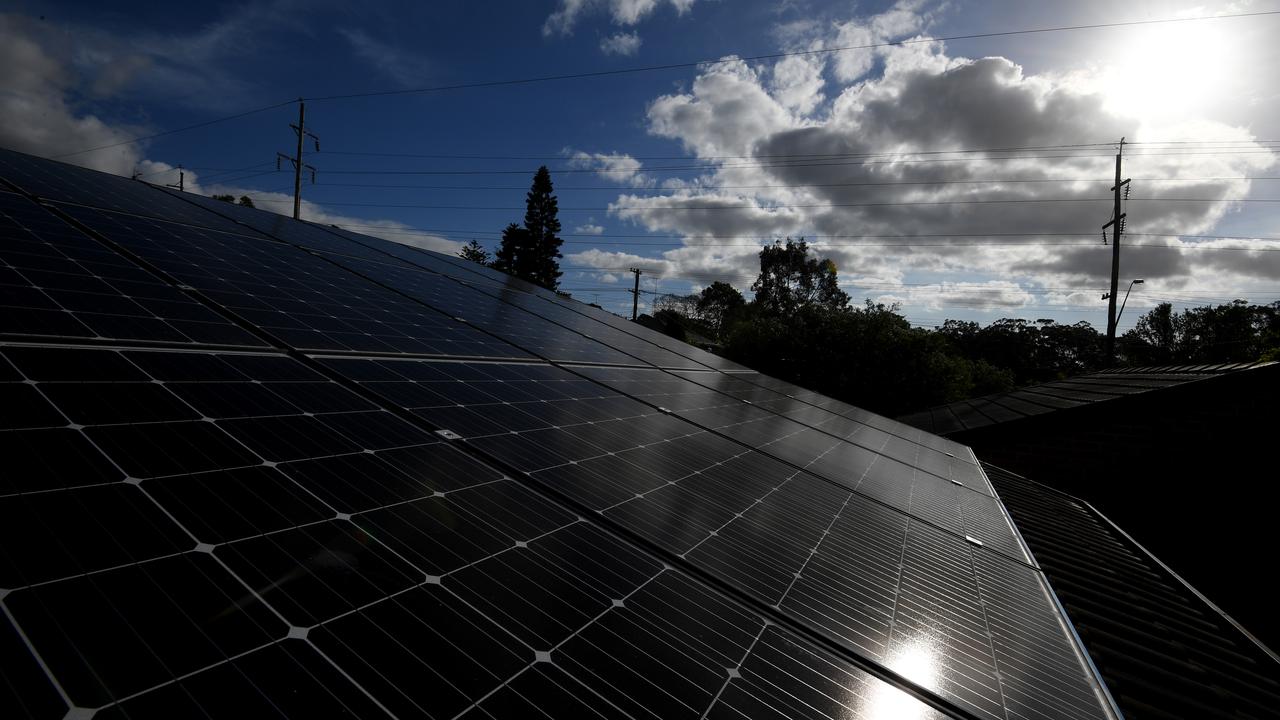
Australia’s growing throng of solar panels, batteries and electric cars will be managed by a new regulator in a multimillion-dollar budget commitment welcomed by investment and climate groups.
The change will come in addition to support for biofuel production, faster environmental approvals, and a solar panel recycling trial.
But some organisations said the federal budget represented a missed opportunity for much-needed renewable energy reforms while Australians struggled with rising fuel and electricity prices.
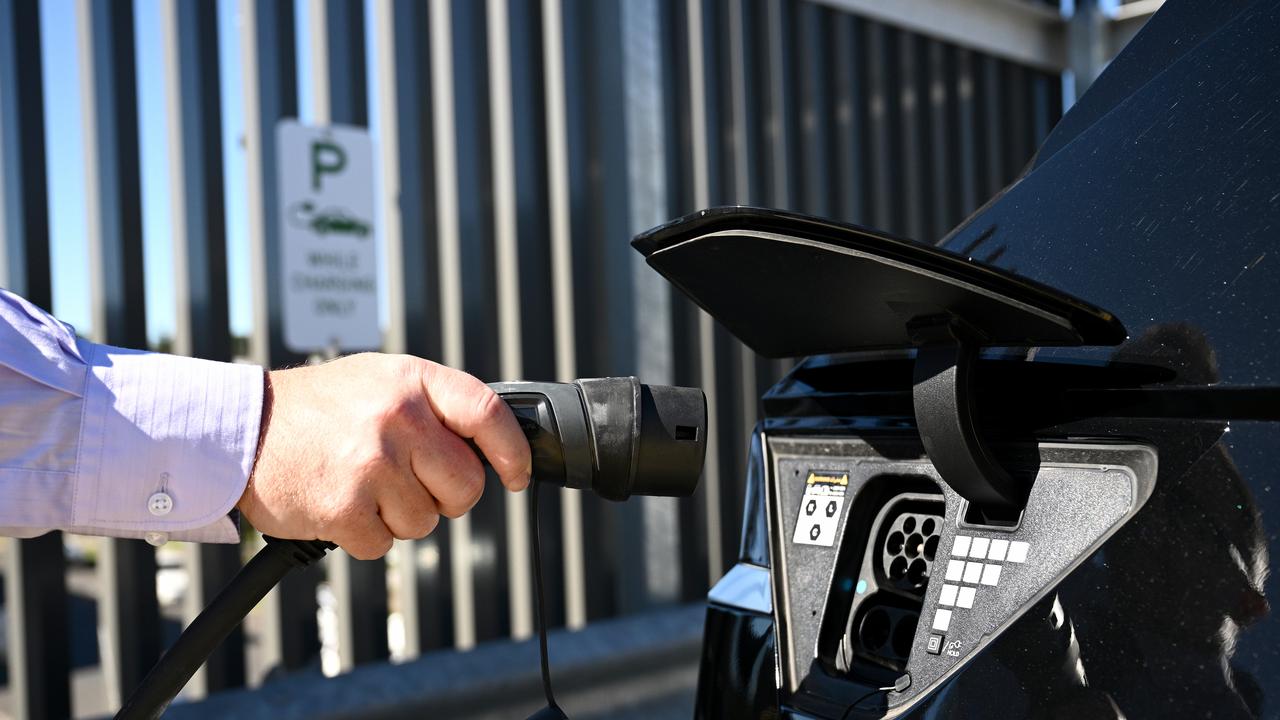
The budget, released on Tuesday night, revealed funding for a National Technical Regulator to co-ordinate consumer energy resources such as rooftop solar panels, home batteries, and electric vehicles.
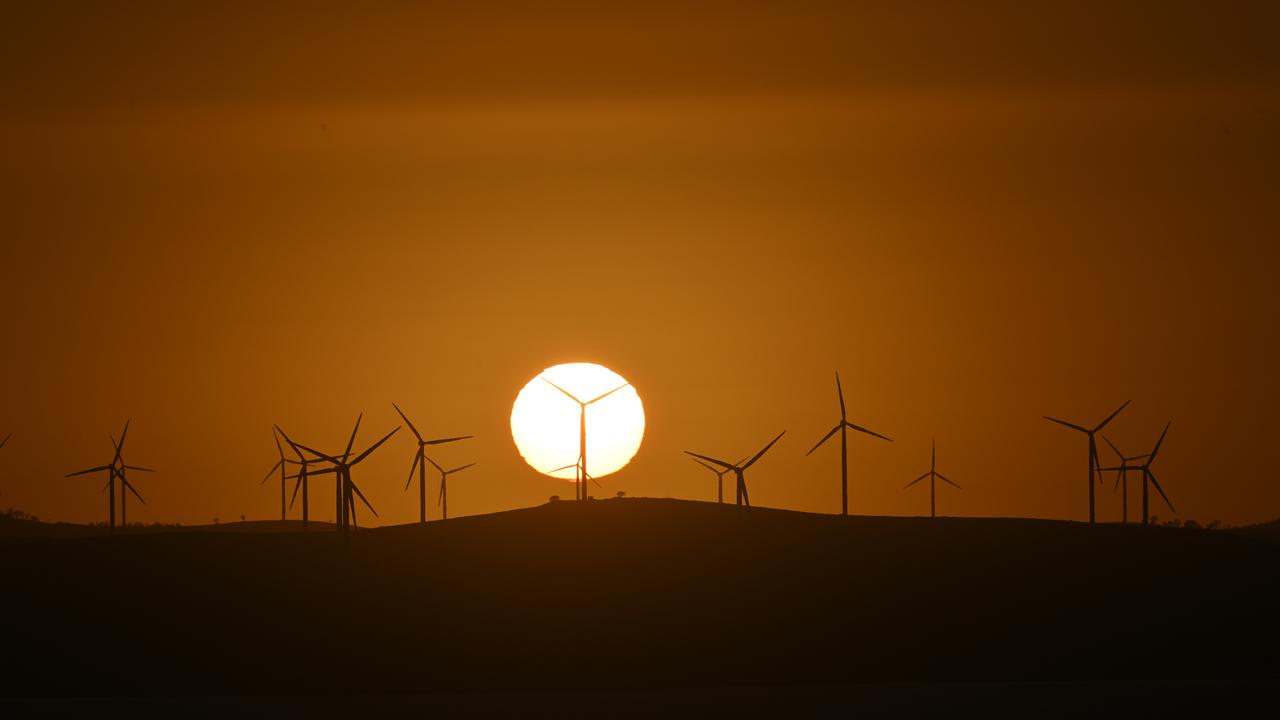
The agency, established under the Clean Energy Regulator, will set technical requirements for consumers to connect their equipment to the national electricity grid and could help to cut $7 billion from system costs by 2050, according to government estimates.
Australian households had installed more than 4.3 million solar systems and hundreds of thousands of home batteries, and the regulator could help them optimise those investments, Race for 2030 chief executive Dr Bill Lilley said.
”This is a major and welcome recognition of the role households are now playing in shaping the grid and the increasing complexity of coordinating them,” he said.
”Whether it’s integrating solar and batteries, managing energy use through home systems or charging and optimising electric vehicles, people need technologies that work together simply and reliably.”
Other budget energy commitments included $163.8 million to accelerate environmental approvals, $24.7 million to fund a solar panel recycling trial announced in April, and $4 million to develop a green fuel policy for the maritime industry.
While the measures were welcome, the budget lacked big-ticket changes capable of speeding up Australia’s transition to renewable energy, such as a gas export levy or changes to electrify heavy transport, according to Climate Capital Forum founder Blair Palese.
”For a world in transition, this budget sends a message that Australia is still stuck in the past,” she said.
”It has missed the opportunity to send a strong signal to clean energy investors that Australia is growing its clean energy commitments and setting the conditions for them to invest in renewable energy projects, jobs and green industrial capability.”
Solar Citizens chief executive Heidi Lee Douglas said a campaign for tax incentives to help landlords invest in the technology also went unanswered, even though it could have reduced inequity for renters.