
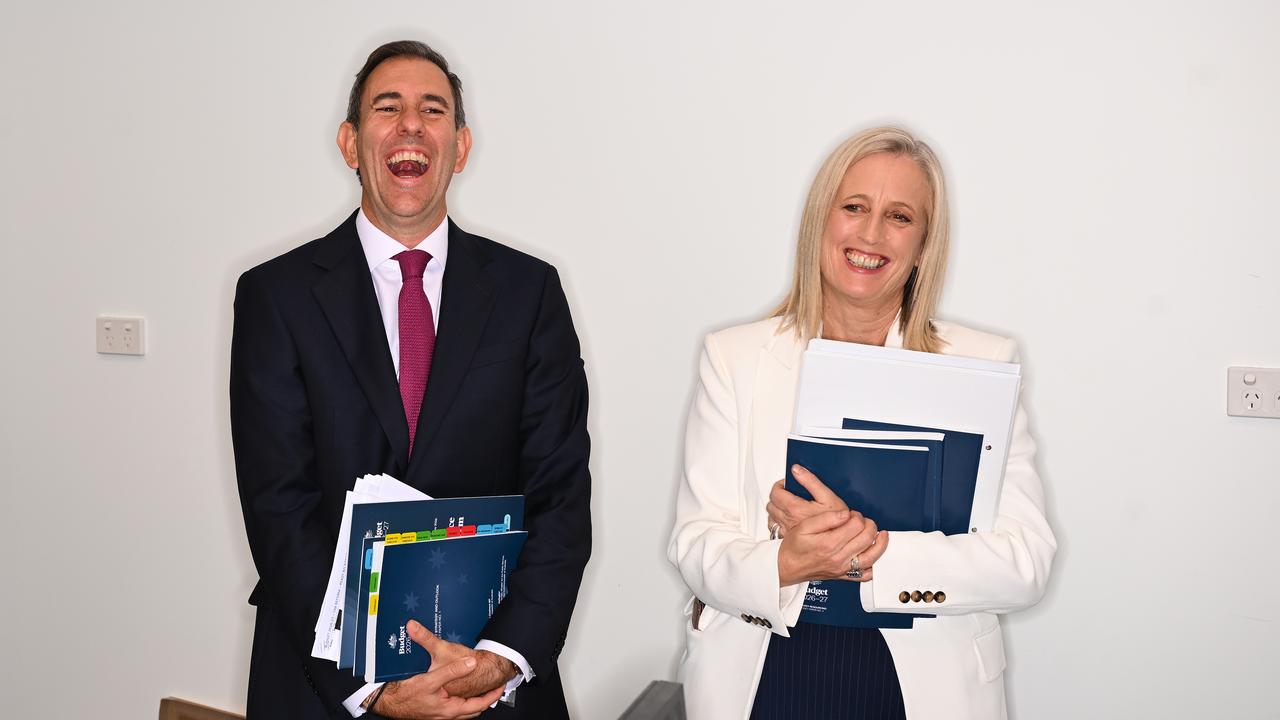
All workers will get a $250 tax cut from as part of the federal budget, funded by a raid on investment properties, trusts and other investments.
In a budget framed around inequity between older and younger Australians, the war in the Middle East and the nation’s lagging productivity, the government has outlined plans to overhaul the tax system and flagged the potential for extra tax cuts in coming years.
“This will help rebalance a system which is more generous to assets than it is to labour, and help rebalance a system where house prices have decoupled from incomes,” Treasurer Jim Chalmers told parliament on Tuesday night.
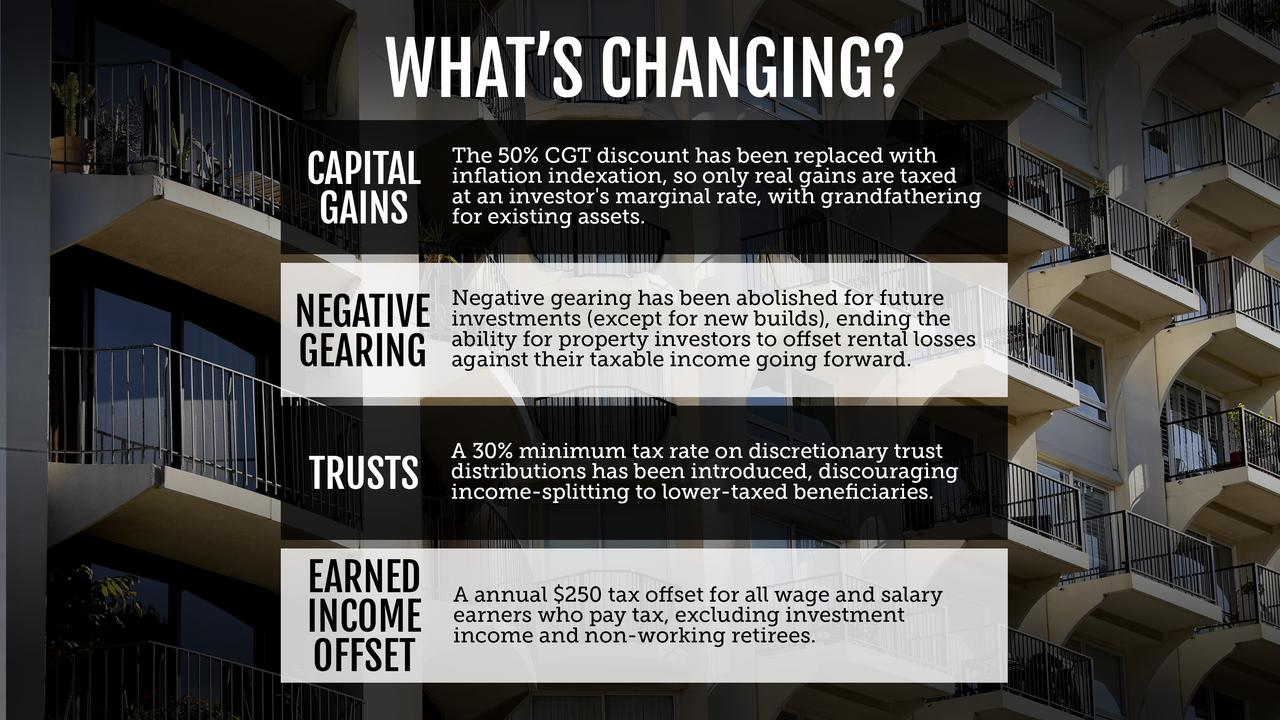
The more than 13 million Australians who earn a wage will automatically get a $250 bonus payment in every tax return from July 2027, on top of existing reductions announced in previous budgets.
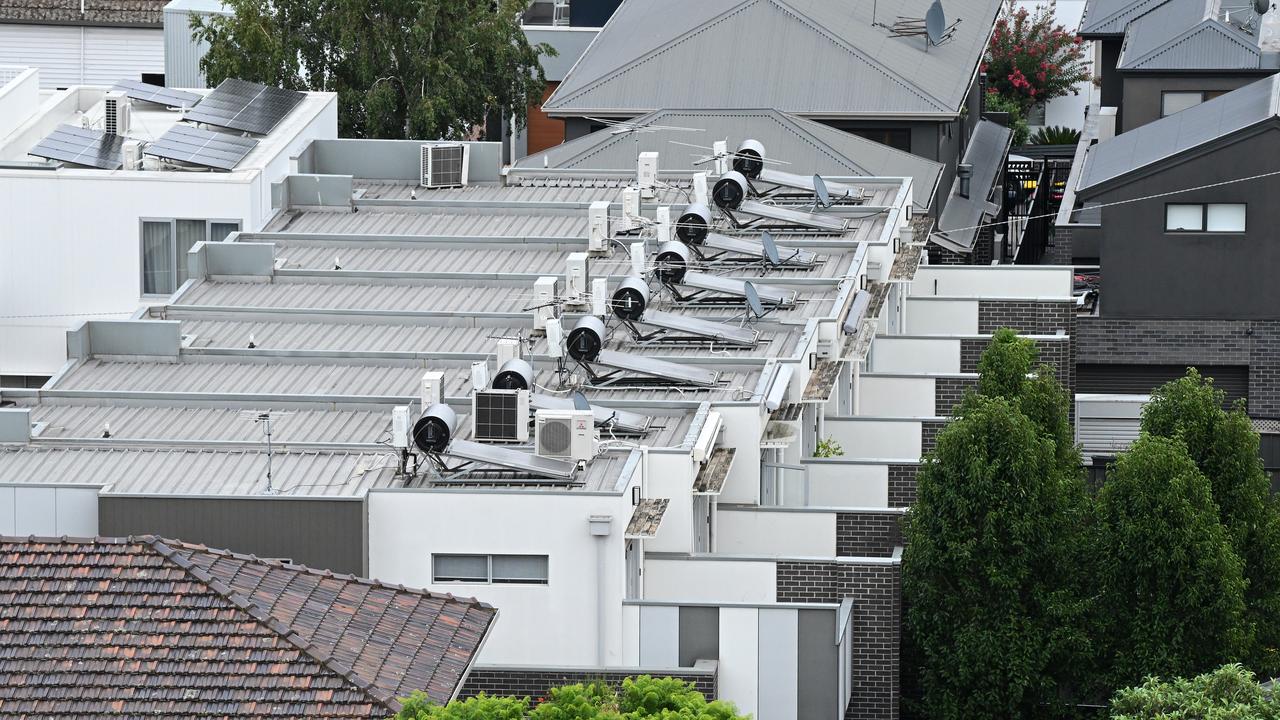
The measure is being funded through a paring-back of tax concessions for property investors, which Labor says will help about 75,000 Australians enter home ownership.
This is despite Prime Minister Anthony Albanese promising during the 2025 election campaign not to touch the concessions.
While house prices have risen more than 400 per cent since 1999, average incomes have increased at less than half that rate, Dr Chalmers said.
The treasurer also flagged more potential tax cuts down the line as a result of the government’s savings.
According to the budget papers, Australia will be in a deficit of $28.3 billion this financial year, an improvement of about $8.5 billion from previous forecasts.
While future deficits are predicted to be smaller than previously expected, the nation’s finances aren’t expected to return to surplus until 2035.
“The medium-term budget position is much stronger and more sustainable as a consequence, creating more room for future tax relief,” Dr Chalmers said.
Under a clamp-down on wealthy investors, negative gearing – where a landlord can deduct losses on a rental property against their wages at tax time – will be limited to newly built homes from July 2027.
Homes bought before the announcement will be exempt from the changes until they’re sold.
The current 50 per cent discount on capital gains tax will also be overhauled, with the measure on existing properties to be linked to the current rate of inflation from July 2027, and a minimum tax rate of 30 per cent to be imposed.
So the changes don’t impact Australia’s housing pipeline, investors in new builds will be able to choose between the old and new tax schemes.
Gains on properties built before 1985 – which have previously been exempt from CGT – will also begin being taxed from July 2027 at the inflation-adjusted rate.
A 30 per cent minimum tax will also be imposed in discretionary trusts, which are often used by wealthy families to split income between family members and minimise tax.
Together, the changes to investment taxes will rake in an extra $8 billion.
That money will be spent on the $250 “Working Australians Tax Offset” and the reintroduction of loss carry-backs for businesses and startups.

From July, companies earning less than $1 billion will be able to offset the current year’s tax losses against taxes paid up to two years earlier.
The government says the change will encourage businesses to invest and make them more resilient in a bid to boost Australia’s economic growth.
“These changes will level the playing field for workers and first-home buyers, and support investment in productive assets, including new housing supply,” Dr Chalmers said.
The government is now preparing for a pushback from landlords and wealthy Australians who will be unhappy about its negative gearing, capital gains and trusts reforms.