
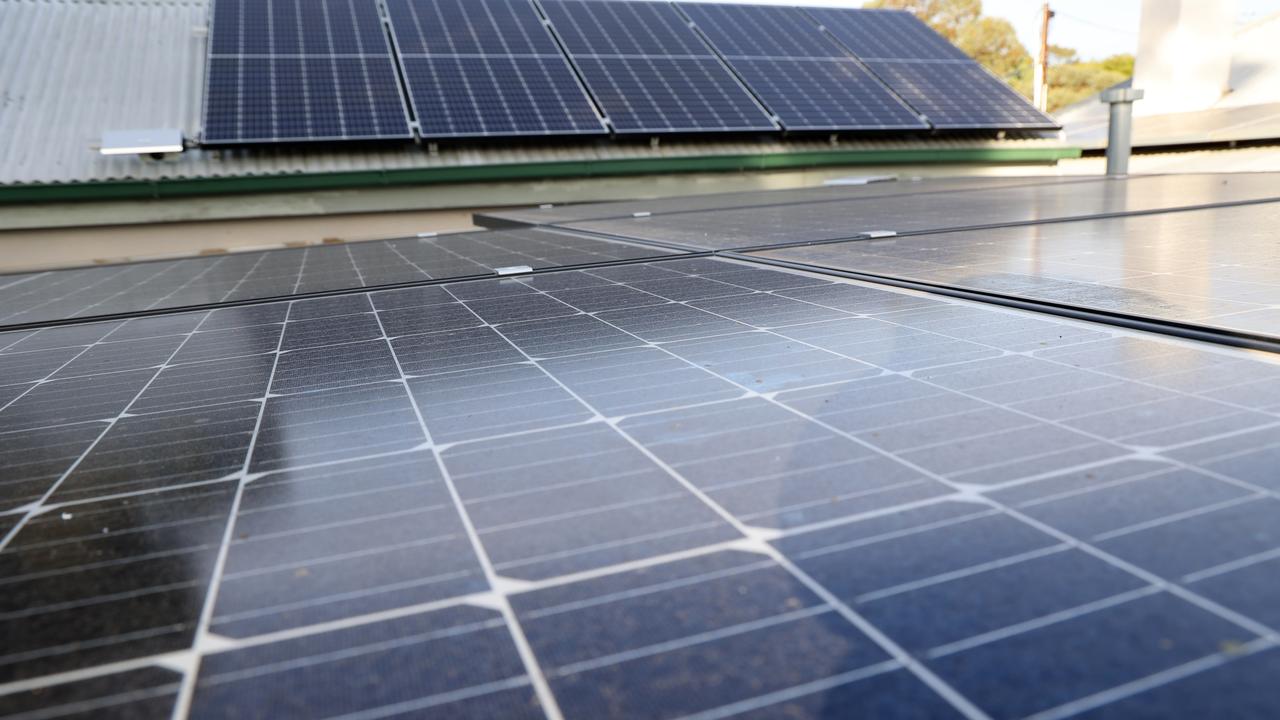
The race is on to extract more value from retired solar equipment to improve recycling economics and prevent tens of thousands of tonnes of material going to landfill.
Materials like glass, silver and copper can be prised from end-of-life systems but removing silicon pure enough to be upcycled into new panels has proven difficult.
The high-purity silicon wafers that absorb photons from solar panels are highly valuable so must be protected from the elements by binding them tightly to substrate material.
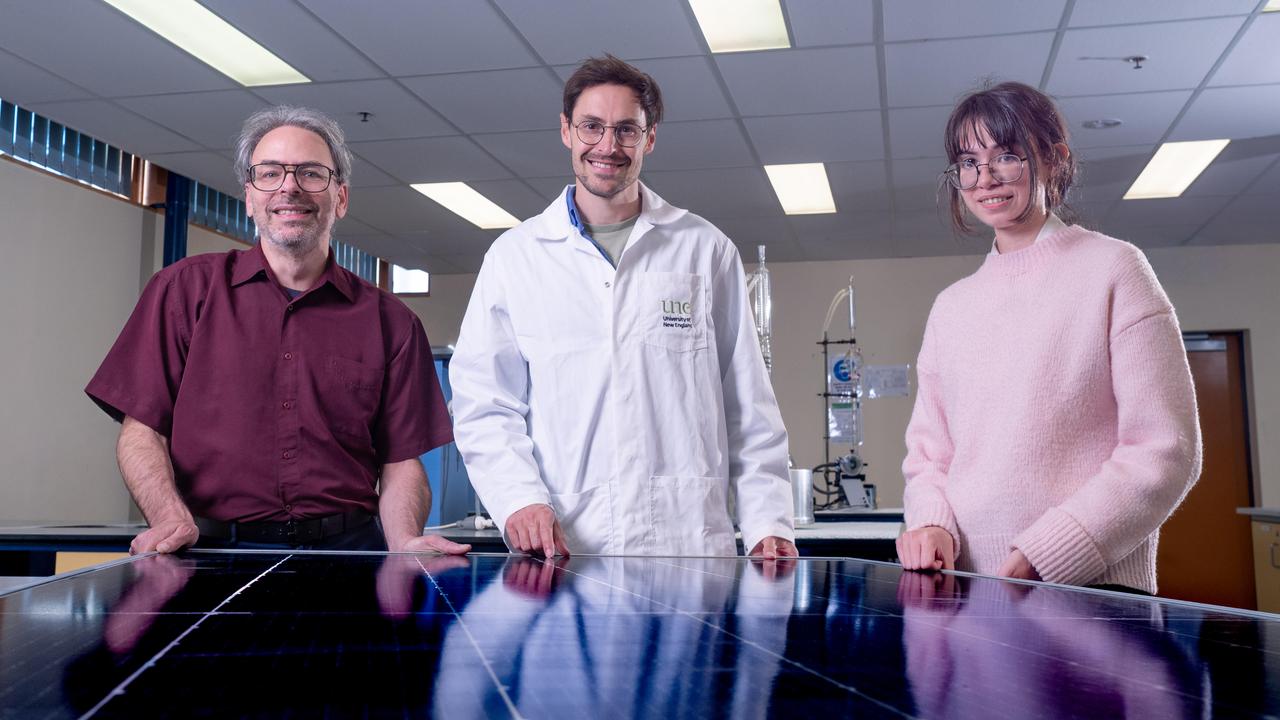
A University of New England research team is now employing AI tools to help separate pure silicon from the substrate.
The newly-launched Institute for Strategic AI has been using the tech to automate the discovery and testing of potential solvents that can isolate components of the silicon wafers efficiently.
The three types of AI – predictive, generative and agentic – first suggest promising solvents and then analyse the results after they have been trialled in a real-life robotic lab.
Institute director Amir Karton said the discovery process had accelerated dramatically.
“Up until now, you would have to come up with an hypothesis, and then you will have to go to the lab and test say 1000 different solvent combinations and reaction conditions,” Professor Karton told AAP.
“That sort of discovery process would normally take years.”
The research is ongoing but Prof Karton is confident a solvent can be developed that can extract silicon in a way that’s cheap, scalable, efficient and non-toxic.
“Being able to recycle those critical minerals and high-purity materials would be a very significant component of the economic viability of the whole recycling process,” he said.
Australian households and small businesses have embraced rooftop solar and installed more than 4.3 million systems, according to the Clean Energy Regulator, yet rates of recycling remain low.
Barriers include limited processing capacity and high logistics and recycling costs.
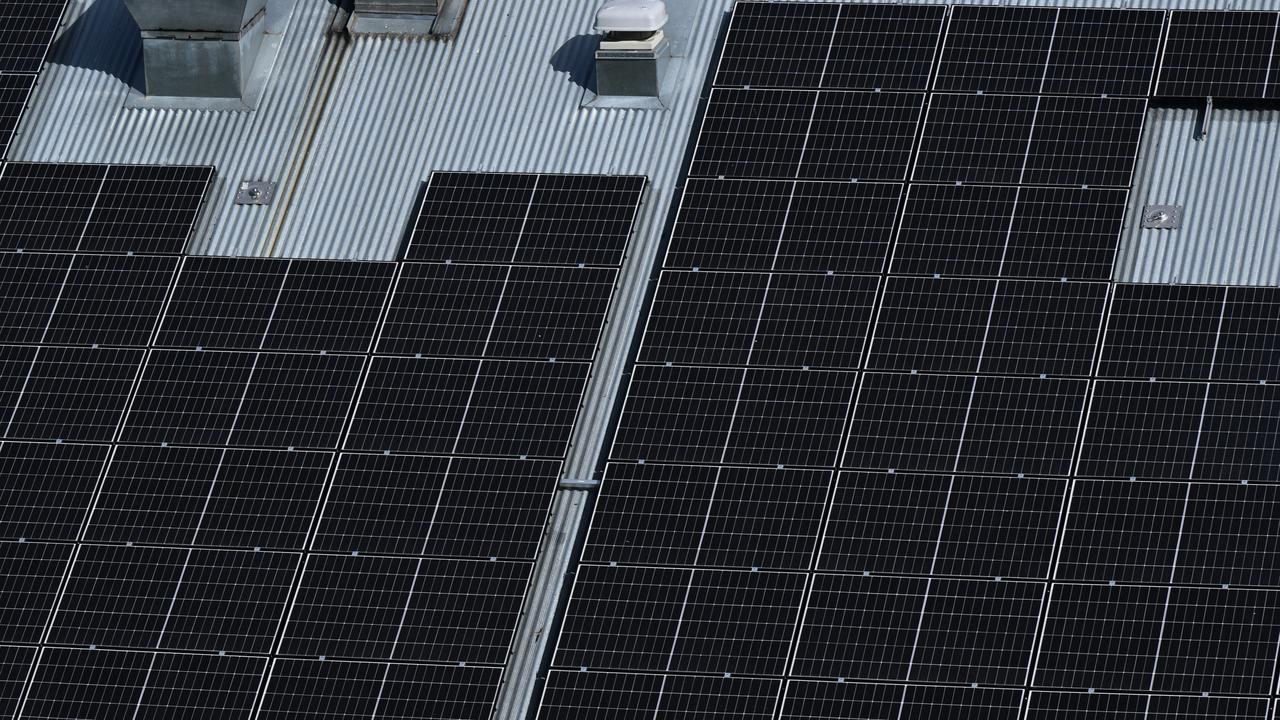
Government figures predict annual solar panel waste could swell by nearly 30,000 tonnes by 2030 to roughly 91,000 tonnes a year, as the first generation of systems reach end-of-life after about 25 years.
Work is underway to solve bottlenecks in the recycling process, including through a $24.7 million federally-backed pilot program aimed at gathering feedback to inform a national plan and product stewardship proposal.
Prof Karton said the solar recycling research was a flagship project for the new unit and the university would be looking to partner with industry and government to foster recycling capacity in the area, which hosts a renewable energy zone.
“We are trying to develop local recycling technologies so that we can recycle solar panels where the electricity is produced.”