
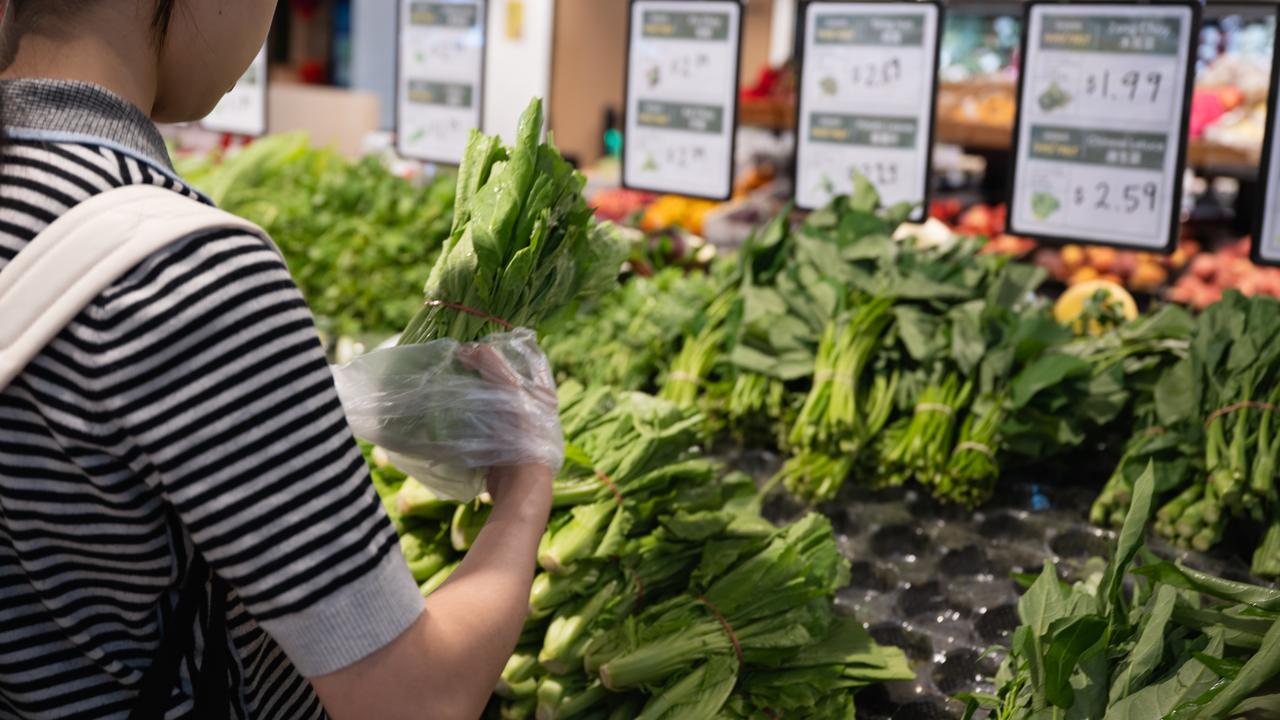
More Australians are shifting to cooking at home rather than eating out as households adjust to higher costs, particularly for fuel, the nation’s second-largest supermarket chain says.
Coles has followed Woolworths in warning that shoppers face tougher economic conditions, with tensions in the Middle East contributing to higher commodity input prices.
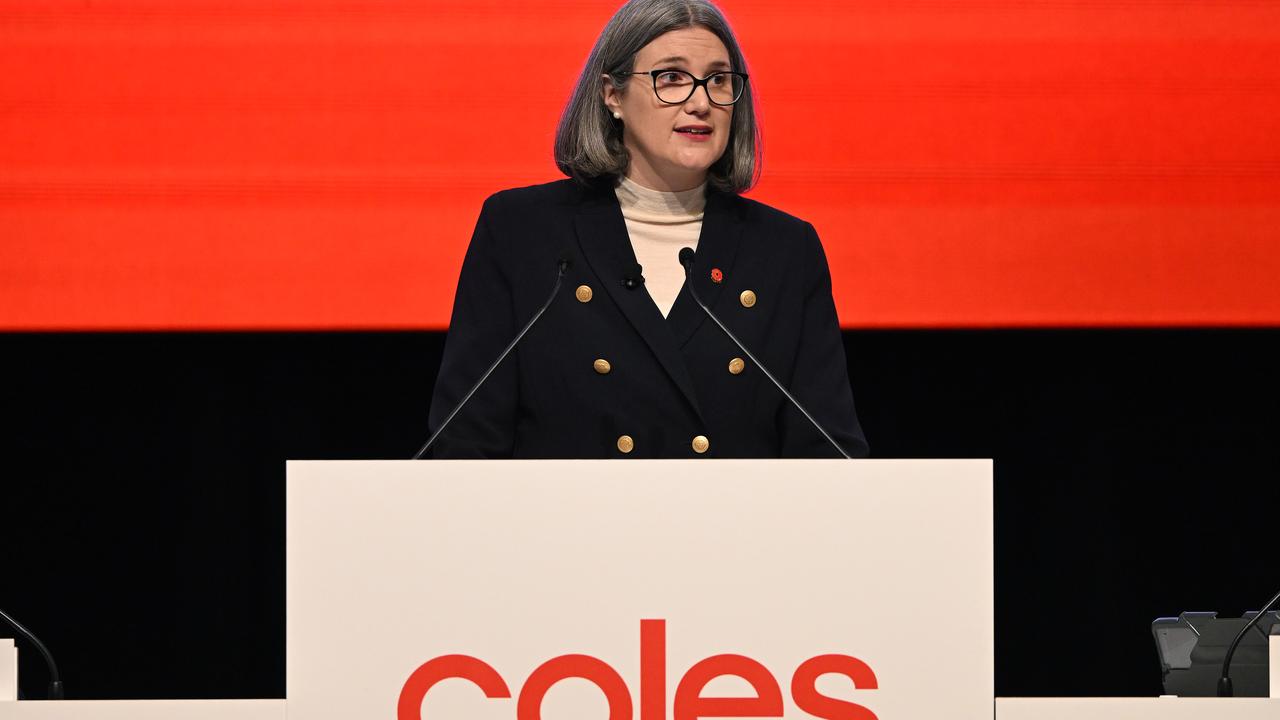
“We know value and availability will be important to our customers over the months ahead,” chief executive Leah Weckert said on Friday.
“We are well placed to respond to this.”
Coles reported a 3.1 per cent lift in third-quarter sales to $10.7 million, most of which was driven by its some 860 supermarkets, which generated $9.8 billion.
Supermarket price inflation – excluding tobacco – moderated to 0.8 per cent in the three months ending March 29.
That compared to 1.7 per cent in the second quarter, reflecting deflation in fresh produce due to abundant supply across a number of key fruit and vegetable categories.
Price inflation for packaged groceries also eased, due to more promotions across a number of non-food categories, such as cleaning and baby products.
But this was partially offset by inflation in red meat prices.
“However, consistent with prior periods, the full impact of the increased beef and lamb livestock cost of goods was partially absorbed as part of our investment in value for customers,” Coles said.
“Our focus remains on continuing to provide customers with a compelling value proposition that supports their everyday needs, coupled with inspiration as more customers shift from eating out to cooking at home to help manage their household budget.”
On Thursday, rival Woolworths warned sentiment amongst its shoppers had plummeted since the US attacked Iran on February 28, sparking a Middle East conflict that has sent the cost of crude oil – and petrol – higher.
Woolworths’ tracking shows 44 per cent of customers are experiencing real budget pressures and are struggling to make ends meet.
Woolworths reported $18.1 billion in total sales for the 13 weeks to April 5, up 4.5 per cent from a similar period a year ago.
Most of that was driven by food sales, which rose almost six per cent to $13.8 billion.