
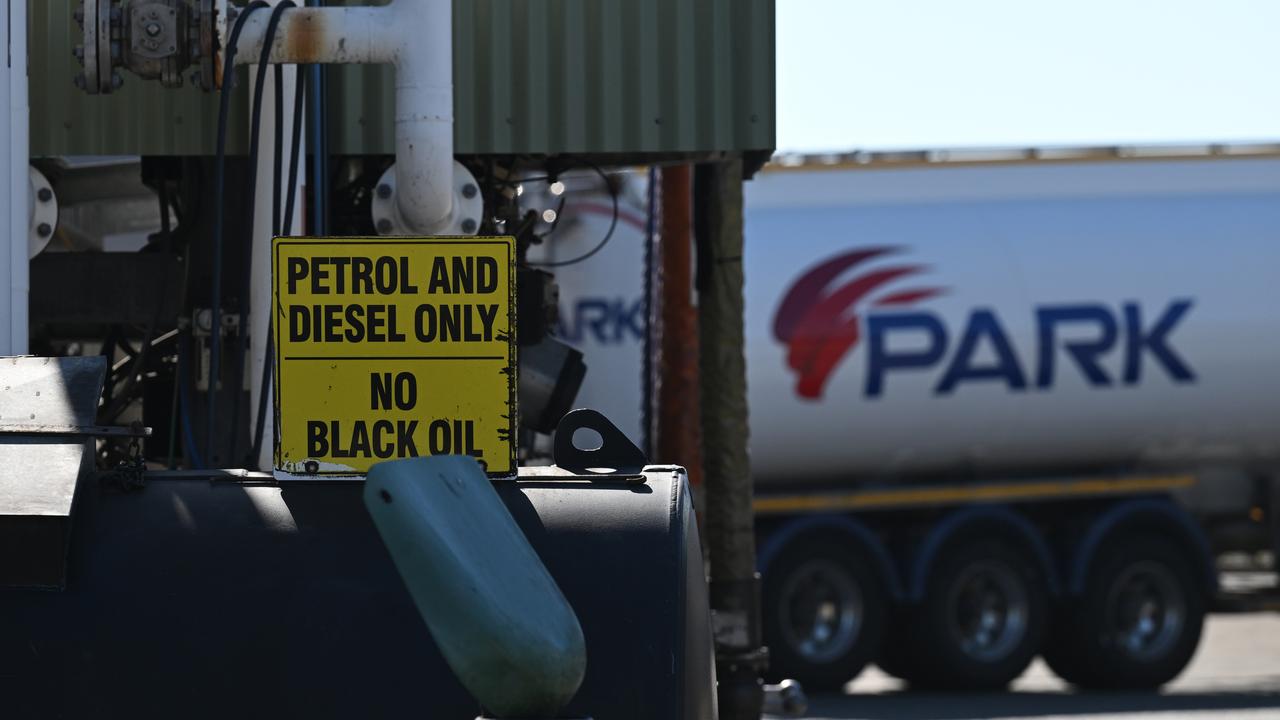
The Iran war may be in its ninth week but its impact on the Australian economy has yet to materially show up in hard data.
That changes on Wednesday.
The Australian Bureau of Statistics is likely to reveal fuel prices surged by 35 per cent in March, pushing headline inflation up to 4.7 per cent, according to economists at ANZ Bank.
However, the Reserve Bank, which was concerned about inflation before the conflict, will pay closer attention to quarterly inflation figures also released on Wednesday.
The bank’s preferred gauge of underlying inflation, the quarterly trimmed mean, is likely to show a 0.9 per cent rise, lifting annual growth from 3.4 per cent to 3.6 per cent, predict ANZ economists Madeline Dunk and Adam Boyton.
“For the RBA, the quarterly data is likely to affirm the underlying inflation pressures evident in the economy before the escalation of the Middle East conflict in late February,” they said.
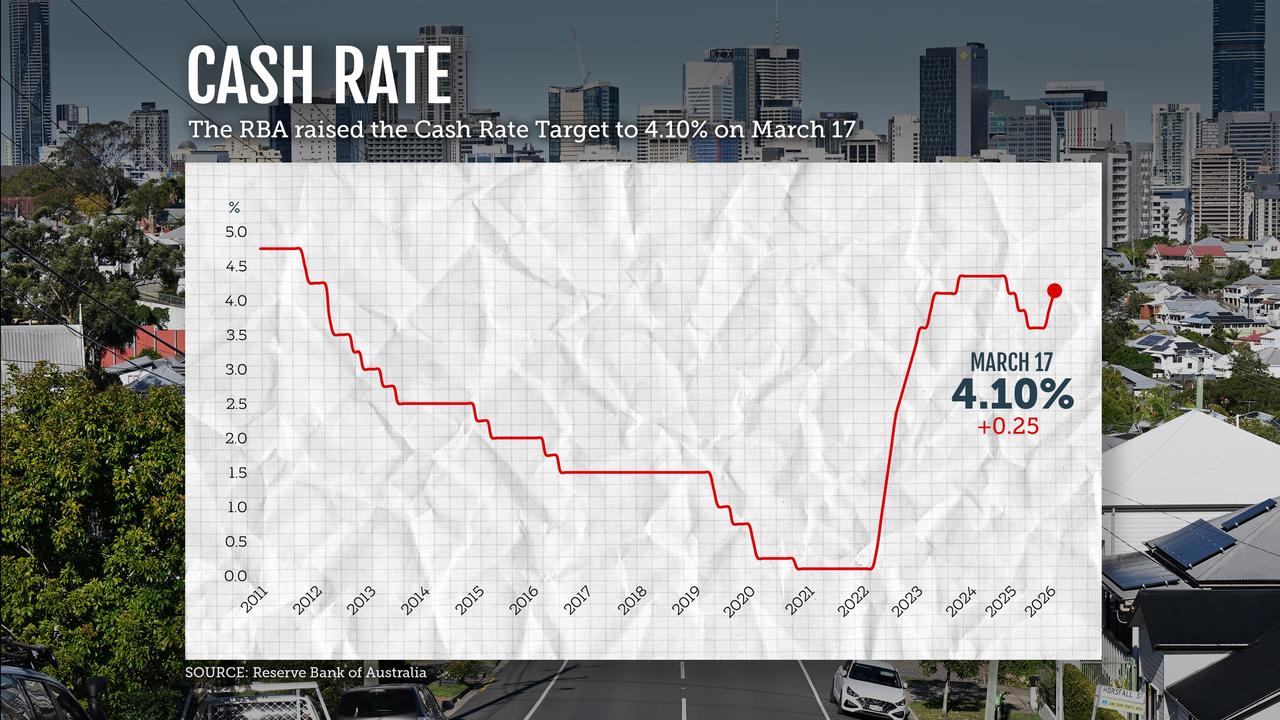
“We continue to expect the RBA will hike 25 basis points in May, taking the cash rate to 4.35 per cent.”
Markets are pricing in the chance of a rate hike on Tuesday at about three-quarters, with two hikes fully priced in by Christmas.
Although fuel will be trimmed out from the underlying figure, it pushes other fast-growing expenditure items back down into the basket, mechanically pushing up core inflation.
In February, the RBA had forecast the trimmed mean to hit 3.7 per cent in June.
Headline inflation will also receive a significant leg up from electricity prices, which are set to record a jump of about 20 per cent quarter-on-quarter as a result of government subsidies rolling off, economists at JP Morgan said.
With follow-on effects of the oil shock set to hit even harder in following months, the clear risk is that inflation will exceed the RBA’s forecast.
Tackling inflation isn’t the central bank’s only concern.
Equally important is ensuring inflation expectations remain anchored; that is, people expect inflation to return to target over the medium term.
ANZ and Roy Morgan’s weekly inflation expectations index, which asks respondents how high they expect inflation to be in two years’ time, came in at 6.6 per cent on Tuesday.
While it remains an uncomfortably high reading for the RBA, it was the lowest rate since early March, when the government announced it was cutting the fuel excise.