
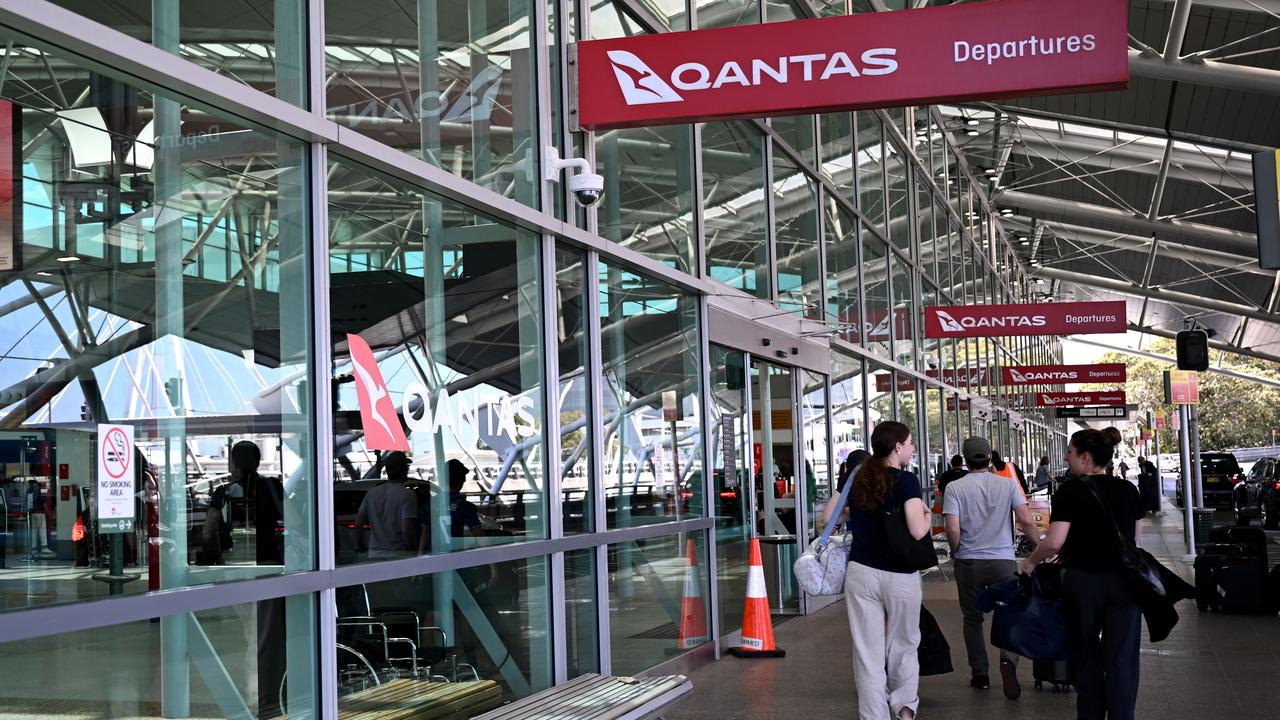
Qantas is cutting domestic flights while adding international capacity, as it faces a potential $800 million hit from higher fuel prices.
The changes, which also impact budget subsidiary Jetstar, come after the cost of jet fuel more than doubled since US-Israeli strikes on Iran began in late February, which caused a spike in global oil prices.
The airline group now expects to spend as much as $3.3 billion on jet fuel in the first half of its financial year, up from an original estimate of $2.5 billion.
Qantas is working with the government and jet fuel suppliers to ensure access to the commodity, although it expects no potential disruptions until well into May.
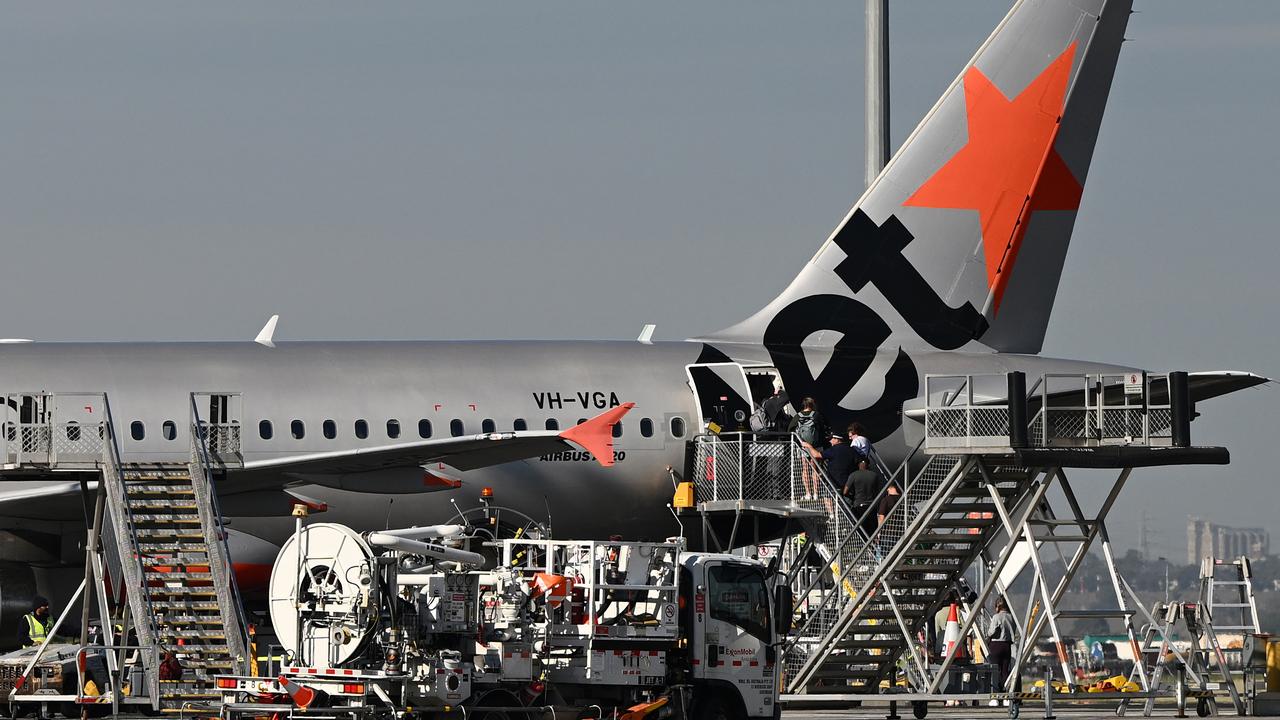
“We are closely monitoring the situation given the ongoing uncertainty in global fuel supply chains,” the airline said on Tuesday.
Given the volatility impacting prices and the global economy, Qantas will cut domestic capacity in the June quarter by around five percentage points.
Most of the reductions will happen on key routes between capital cities, where Qantas flies larger aircraft at higher frequencies, a spokesperson said.
Where possible, Qantas will withdraw capacity at off-peak times to try to minimise the impact on customers.
Qantas and Jetstar customers with future bookings on cancelled flights are being contacted about alternative options or a refund.
Most of those affected will be offered other flights on the same day as their original booking, the airline said.
Air New Zealand, Air India and Delta Airlines have also reduced capacity in recent days, citing surging jet fuel costs.
Qantas, which does not fly to the Middle East, is seeing more demand for international travel to Europe as customers seek alternative routes.
It is redeploying capacity from the US and its domestic network to increase flights to Paris and Rome.
Qantas said it was closely monitoring the situation and had the option to take further action to mitigate fuel cost increases over time.
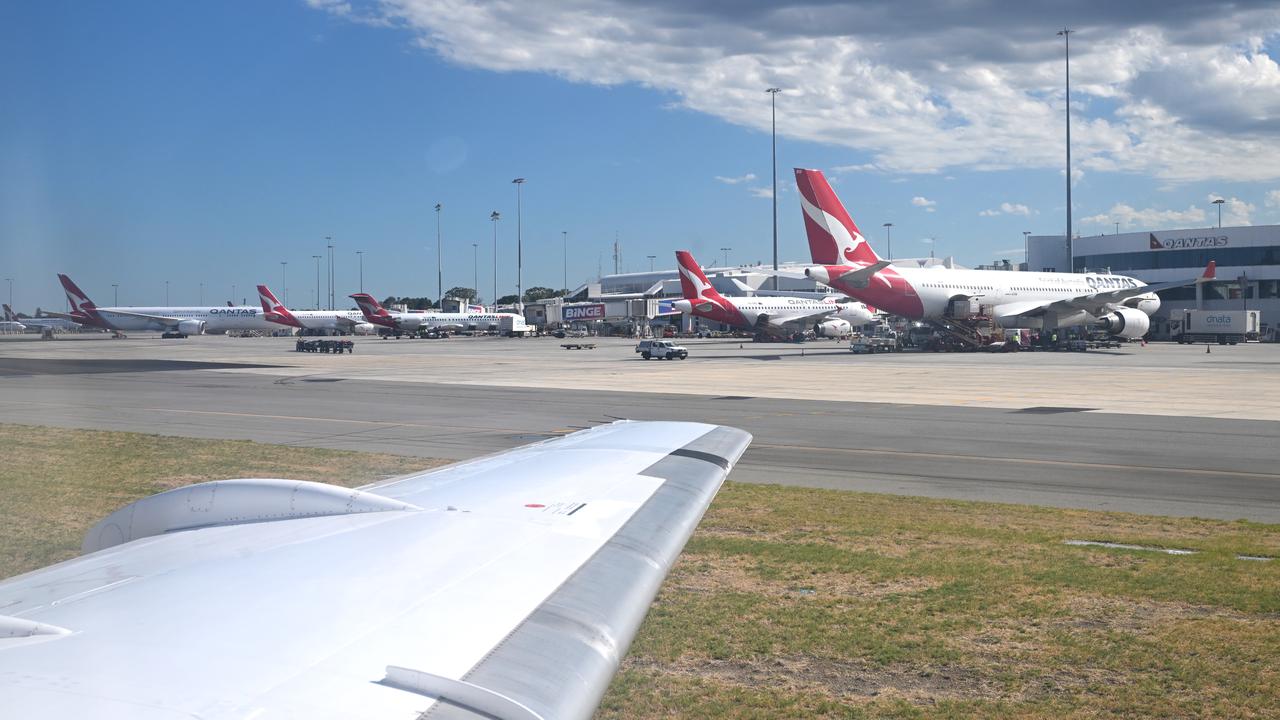
For now, it’s yet to activate a planned $150 million share buyback and is delaying capital expenditures.
Qantas has hedged 90 per cent of its exposure to crude oil costs but, like most airlines, it remains exposed to the cost of refining crude oil into jet fuel.
Refining costs have soared from around $US20 a barrel in February to a peak of around $US120, Qantas said.
The carrier’s shares were down more than one per cent to $8.91 in morning trading on Tuesday.