
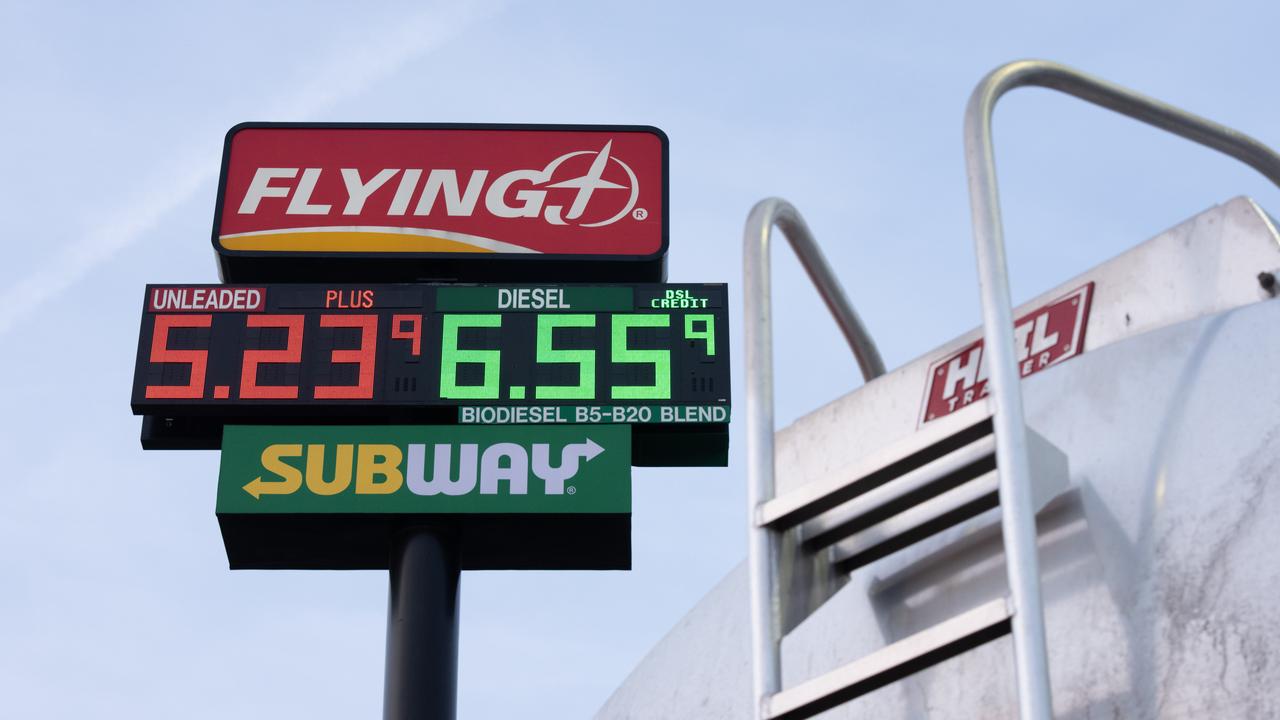
US consumer prices increased by the most in nearly four years in March as the war with Iran boosted oil prices and the pass-through from tariffs persisted, further diminishing chances for an interest rate cut.
The Consumer Price Index jumped 0.9 per cent in March, the Labor Department’s Bureau of Labor Statistics said on Friday, the largest increase since June 2022 when prices soared in response to the Russia-Ukraine war.
Consumer prices rose 0.3 per cent in February.
In the 12 months through March, the CPI advanced 3.3 per cent after rising 2.4 per cent in February.
Economists polled by Reuters had forecast the CPI accelerating 0.9 per cent and increasing 3.3 per cent year-on-year.
The jump in consumer inflation followed after a sharp rebound in job growth in March, which suggested the labour market remained stable.
There are, however, concerns that a prolonged conflict in the Middle East could undercut the labour market, especially if households respond to high prices by pulling back spending.
The US-Israeli war with Iran has sent global crude oil prices surging more than 30 per cent, with the national average retail gasoline price breaking above $US4 a gallon for the first time in more than three years.
Though President Donald Trump on Tuesday announced a two-week ceasefire on the condition that Tehran reopen the Strait of Hormuz, the truce appeared fragile.
March’s increase only showed the immediate effects of the oil price shock, which has also raised the cost of diesel.
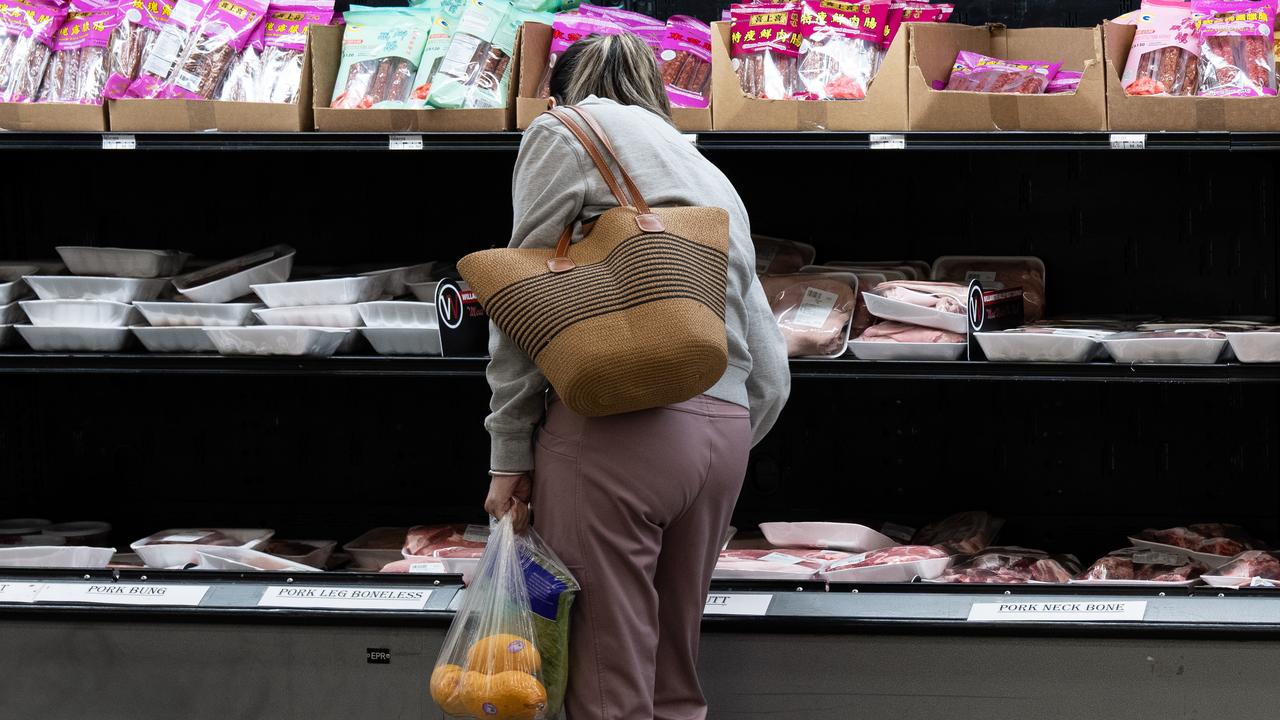
March’s surge underscored the affordability challenges facing consumers.
Trump romped to victory in the 2024 presidential election promising to lower prices.
Excluding the volatile food and energy components, the CPI rose 0.2 per cent in March after climbing 0.2 per cent in February.
Both core CPI and personal consumption inflation have been driven by businesses passing on some of Trump’s broad tariffs to consumers.
In the months ahead, economists expect the Middle East conflict to lift core prices through expensive jet fuel that will raise airline fares, and diesel, which will increase the cost of goods transported by road.
Prices of fertiliser and plastics, among other goods, are also expected to rise.
Firming inflation has left some economists believing the Fed would not reduce borrowing costs in 2026, a conviction that was reinforced by the release on Wednesday of minutes of the central bank’s March 17-18 policy meeting, which showed a growing group of policymakers in March felt that rate hikes might be needed.
The Fed left its benchmark overnight interest rate in the 3.50 per cent-3.75 per cent range.