
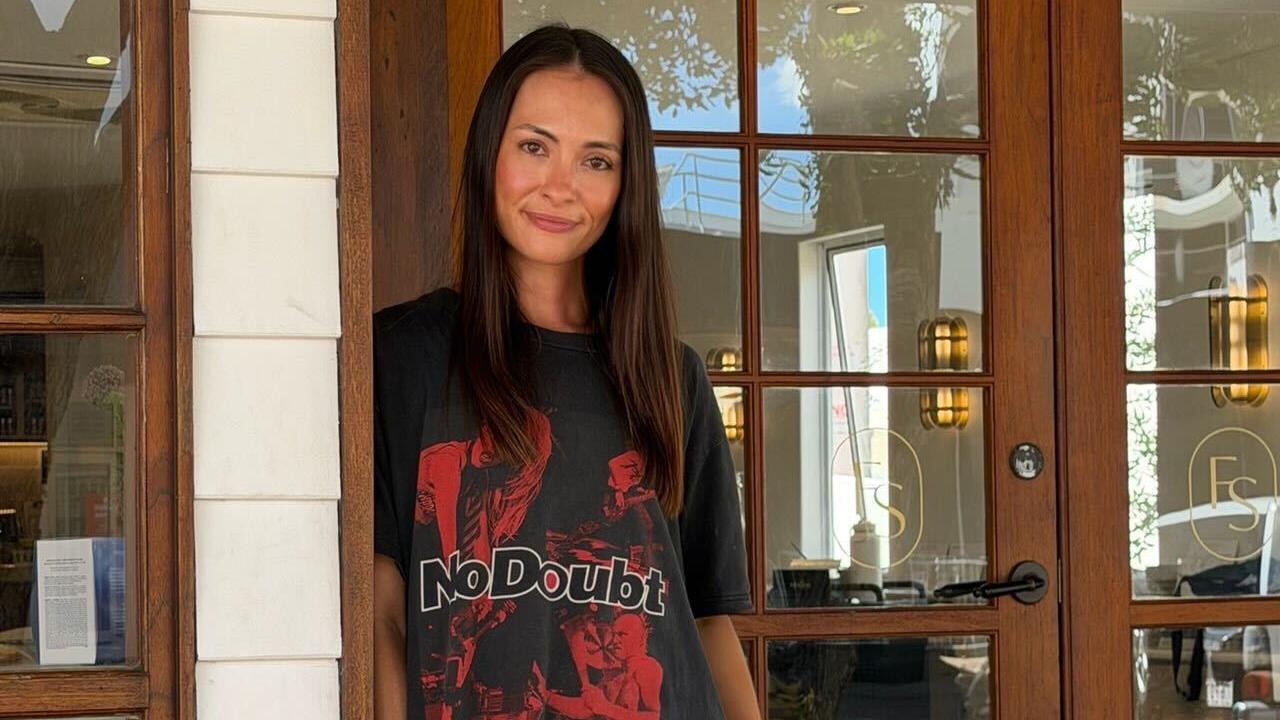
Larissa Carnegie felt powerless as the social media profile she had tirelessly built was reduced to nothing more than an error message.
The Brisbane hairdresser was devastated to discover she had lost accounts boasting thousands of followers after allegedly breaching community guidelines related to sexual exploitation.
Although they have since been reinstated, almost 12 months later, she considers herself one of the fortunate few.
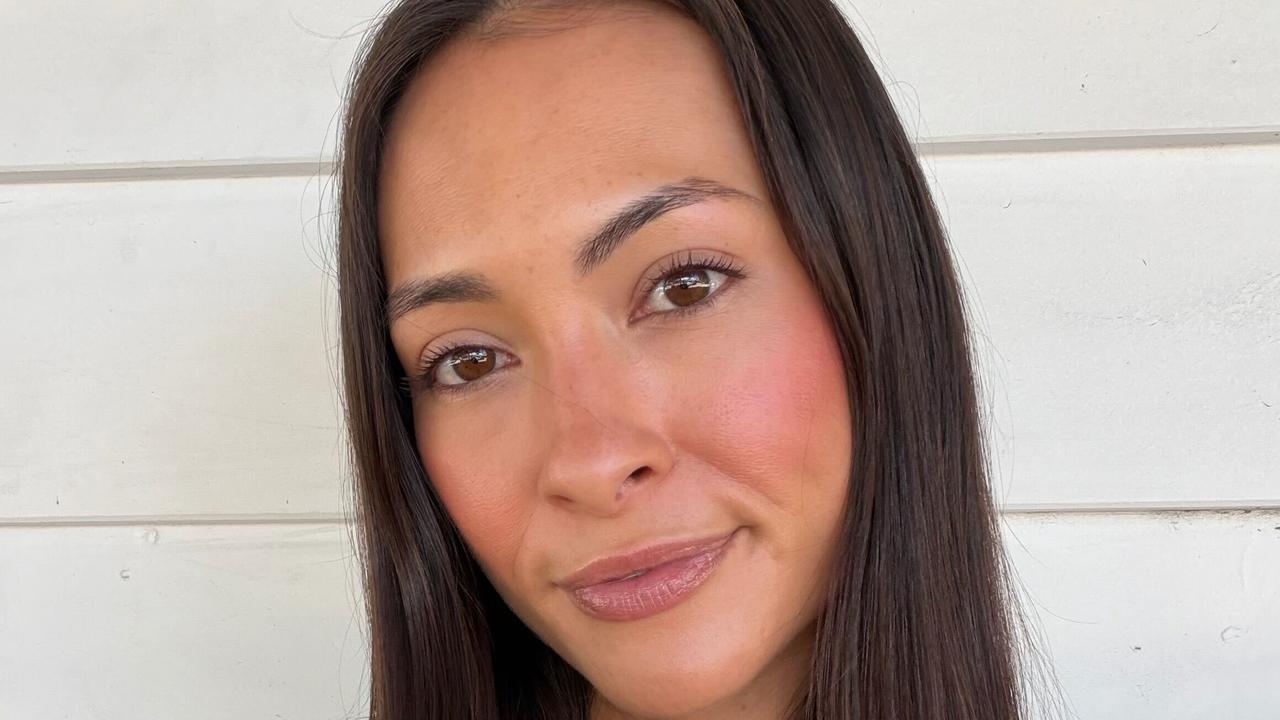
“I felt like I was in a fever dream the other morning when I woke up. It’s been such a weird whirlwind having my accounts back,” Ms Carnegie tells AAP.
Small business owners are increasingly reporting being shut out of accounts, with little support available to help them find their way back.
The result can mean serious financial and operational consequences.
Ms Carnegie had been trying to retrieve her accounts, both business and personal, after they were flagged in June last year.
As days turned into weeks and weeks into months, she found she had no clear way to contact Meta to resolve the issue, all while her business nosedived.
She ended up paying for Meta-verified, in a bid to speak with an employee from the one of the world’s largest tech companies.
“For literally six months, no one was able to help me through Meta Help Centre,” she recalls.
“They kept saying it was a different department that deals with it, it was out of their jurisdiction and they couldn’t really help me.
“I never got any answers.”
Six months later, she was handed a final decision from the tech giant: her account was officially disabled as a result of breaching community standards on child sexual exploitation, abuse and nudity.
“They just took my Instagram and because it said I violated community guidelines, even though I was never given any proof or evidence, or any understanding as to why it was taken,” says the Brisbane creative.
“It’s such a sensitive topic and being accused of it without any evidence was really shocking.”
The impact of the decision was crippling for Ms Carnegie, who relies heavily on social media to showcase her portfolio and attract clients.
She describes social media as her main point of contact with customers and a space where she can build rapport and make booking quick and easy.
“Our Instagram is basically our portfolio; anytime a client comes in, they’ve always got Instagram images saved from other pages of hairstylists of their inspo,” Ms Carnegie explains.
“Not having that or being able to post made it really difficult to keep in contact with clients and also to promote my business.
“I’ve just lost money left, right and centre because I can’t promote myself.”
Ms Carnegie’s accounts were reinstated shortly after AAP contacted Meta with questions on Wednesday.
The Telecommunications Industry Ombudsman reported a 20 per cent increase in digital platform complaints, including those involving Meta, in 2025 compared to the previous year.
A total of 719 complaints were recorded, with 244 lodged just in the final three months of the year.
The majority related to issues accessing accounts.
“Despite the growing number of people approaching the TIO for help in this area, we are unable to escalate or resolve these complaints, as digital platforms remain outside our jurisdiction,” the latest industry ombudsman’s report found.
There has been a significant increase in small businesses having their accounts deactivated by digital platforms over alleged breaches of community standards relating to child sexual exploitation, according to Small Business and Family Enterprise Ombudsman Bruce Billson.
To address the issue, he believes the platforms need to provide clear, appropriate and easily accessible help.
“The reality is an increasing number of small and family businesses are reliant on these platforms as their channel to their marketplace, their customers, their storytelling and their communication,” he tells AAP.
“To have that deactivated is effectively like being blocked from engaging in trade and commerce.
“That’s a very significant action to take and there should be greater scrutiny about those steps, particularly where Meta can identify that.”

Meta executives continue to work with authorities to find a timely resolution of matters for small businesses, Mr Billson adds.
Social media accounts are currently screened by a combination of people and technology at Meta who find and remove accounts that break rules.
Technology is also used to identify signals of potentially suspicious behaviour, such as when adult accounts are reported or blocked by teen accounts, or search for violating child safety terms.
Meta maintains that if an account or piece of content is removed in error, they will restore it.
“We take action on accounts that violate our policies and people can appeal if they think we’ve made a mistake,” a Meta spokesperson told AAP.
But that hasn’t been the case for Sydney creative Jazmyn Gillies, who says she’s given up hope of ever getting her business account back.
The 26-year-old was locked out of Instagram just days after launching her events business in May.
“Maybe two weeks before the first event, it crashed, and I was kicked out for child sexual exploitation, which is crazy,” Ms Gillies says.
“I was locked out. I didn’t just lose my business account, I lost my personal account, which is what I was relying on to promote my new brand.
“It was just a really bad timing for me.”

The Sydneysider has tried everything to get her accounts back, from buying verification to even considering paying external services for help, though she felt they were taking advantage of her.
She’s since started a new account but her old one had more than 6000 followers, built up while working in Los Angeles and New York.
Those connections were crucial to her continued success.
“It’s obviously been quite tough,” she says.
For now, Ms Gillies has given up and is trying to accept the hand she has been dealt.
“I’ve been so disappointed for months and months,” she says.
“This has taught me, don’t build your house on borrowed land, or an app that you can’t really rely on.”