

British inflation fell to its lowest since March 2025, according to official data that strengthens the case for an interest rate cut soon by the Bank of England, even as a measure of underlying price pressures remains strong.
Consumer prices rose by 3.0 per cent in annual terms in January, slowing from a 3.4 per cent increase in December, the Office for National Statistics said, as transport, food and non-alcoholic drink prices rose less quickly.
Most economists polled by Reuters had expected headline inflation to drop to three per cent in January.
The BoE projected earlier in February that it would ease to 2.9 per cent before a bigger fall in April to almost the central bank’s two per cent target.
Food inflation – which the central bank sees as key for shaping public expectations about prices more broadly – was the weakest since April 2025.
Airline fares fell sharply on the month after jumping in December.
Core inflation, excluding energy, food and tobacco prices, rose by 3.1 per cent in January, its lowest rate since September 2021.
Sterling was little changed against the US dollar after the ONS data on Wednesday.
Interest rate futures put an almost 80 per cent chance on a March rate cut by the BoE followed by another in late 2026.
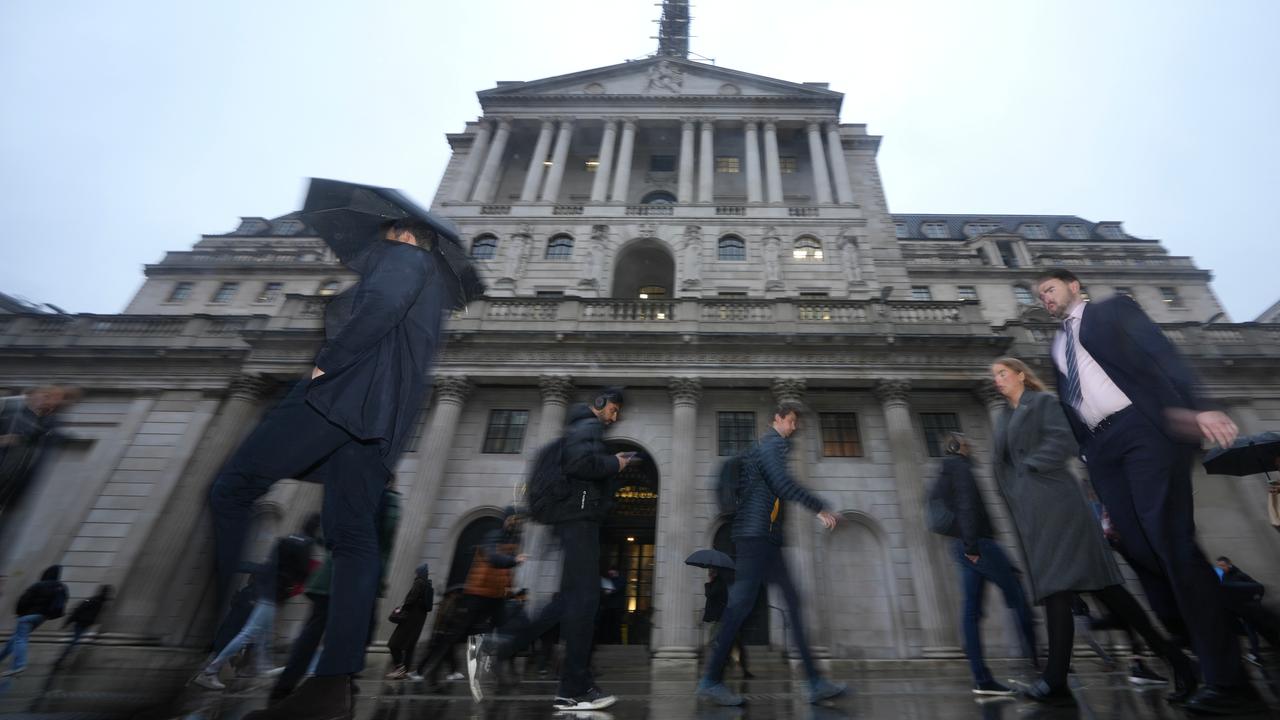
Some warning signs remained for the BoE in Wednesday’s data.
Inflation for services – closely watched as a gauge of domestic price pressures – slowed only marginally to 4.4 per cent from 4.5 per cent in December, above the Reuters poll expectations for a fall to 4.3 per cent.
“Given almost all the survey measures of prices suggest disinflation has slowed, the MPC will still have to be cautious this year, even as headline inflation drops,” said Thomas Pugh, chief economist at accountancy firm RSM UK.
“Indeed, services inflation is proving to be much stickier than headline inflation.”
British inflation has run higher than in the United States and in the euro zone where it stood at 2.4 per cent and 1.7 per cent, respectively, in January.
The BoE expects the pace of price rises to slow sharply to almost its two per cent target in April as 2025’s rises in utility costs and other government-controlled tariffs fall out of the annual comparison.