
It’s said the rich get richer and the poor get the picture but exactly how wealthier Australians seem able to pay less to own more is a little less obvious.
For the well-to-do who happen to boast a holiday home, though, the trick of extracting the most from their asset is about to become way more transparent thanks to the Australian Tax Office.
Take, for example, a savvy pair we’ll call the Smiths.
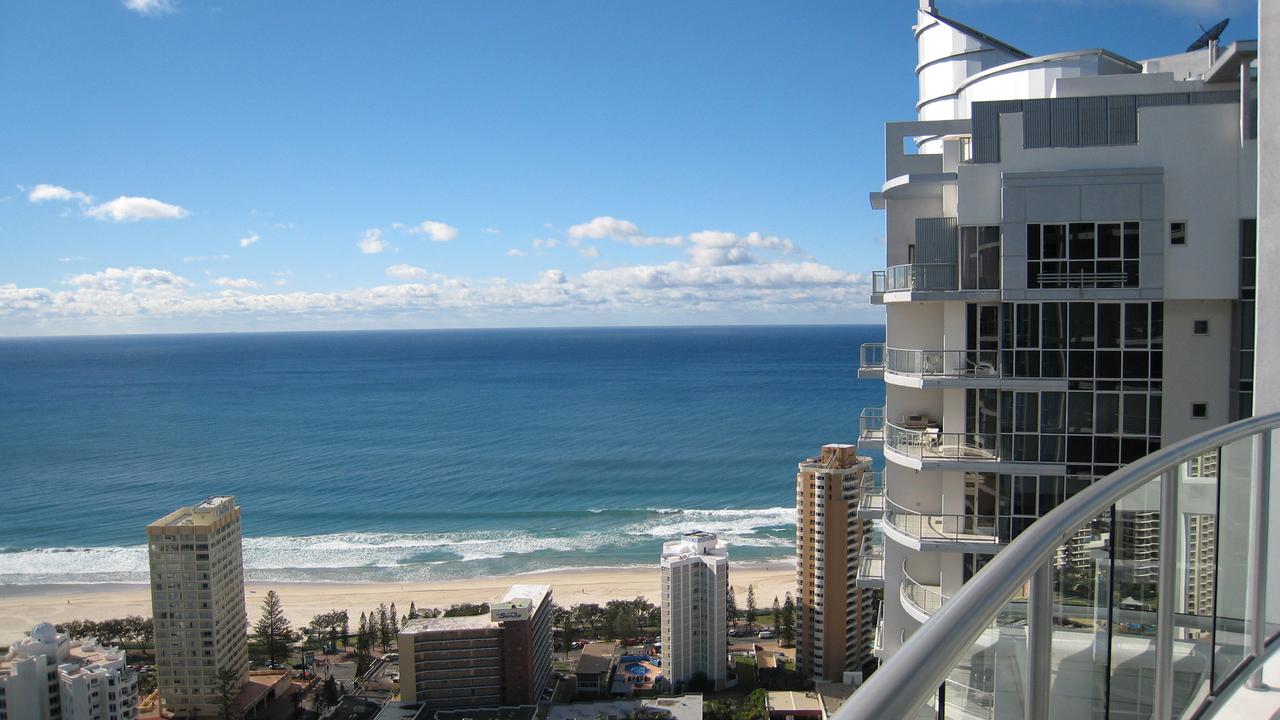
They’ve done well enough to set themselves up in a multi-million dollar mansion in Melbourne’s inner east but also have a killer holiday apartment on the Gold Coast for when they need to escape the rain.
From the outside, the Smiths are doin’ it easy but maintaining their lavish lifestyle doesn’t come cheap.

They still owe a few bucks on the beachfront pad, so there are repayments to consider as well as the interest that’s starting to bite as rates climb again.
The Millionaire’s Row getaway also attracts steep council rates made worse by the so-called view tax the Smiths are being slugged with.
Then there’s land taxes, insurance and the never-ending maintenance bill.
So, what to do about it?
To start, the Smiths advertise their costly-to-run property for rent throughout the year via an estate agent.
However they often block out periods for their own use, along the way cancelling bookings they receive for periods around Easter, Christmas and New Year.
But generous to a tee, Mr and Mrs Smith also reserve their home-away-from-home for the use of their extended family and friends.
With five children, some of them old enough to have partners and a couple with their own little ones, the number of people enjoying stays at the property at heavily discounted rents has started to add up.
Then there are in-laws and cousins, and pretty soon the place is occupied during every school holidays as well.
Despite this, and not that they’ve done anything untoward, the Smiths have continued to claim against the cost of owning the luxury unit as a rental investment.
Traditionally referred to as clever accounting, easing their burden by reducing their tax bill has in fact been a financial masterstroke.
At least until now.
Under a new draft ruling by the ATO, the Smiths and other holiday-home owners working from the same tip sheet could be in for a rude shock.
At stake is their ability to claim deductions on interest, rates or upkeep unless the home is “mainly” rented to generate income and available during peak periods.
In tax terms, it’s a big deal. The ATO calculates over two million Australian investment properties apply for tax deductions annually, with the average claim coming in around $20,000.
With the changes expected to take effect from July 1, tax officials will look at the amount of time a home is available for rent, including during popular seasonal periods, says Chartered Accountants tax leader Susan Franks.
“If you’ve got a holiday home and it is in a seasonal area, you really need to make sure that it’s mainly used for rental income during that period,” she tells AAP.

Publishing the proposal in draft form, the tax office has indicated it will crack down on aspects of existing legislation that it hasn’t previously enforced.
It is also keeping an eye on holiday-home owners who demonstrate limited attempts to rent out the property or keep parts of the home inaccessible for guest use.
This consideration won’t apply to the Smiths whose residence is in a high-rise tower, which is why they cop inflated council rates for their view of the beach.
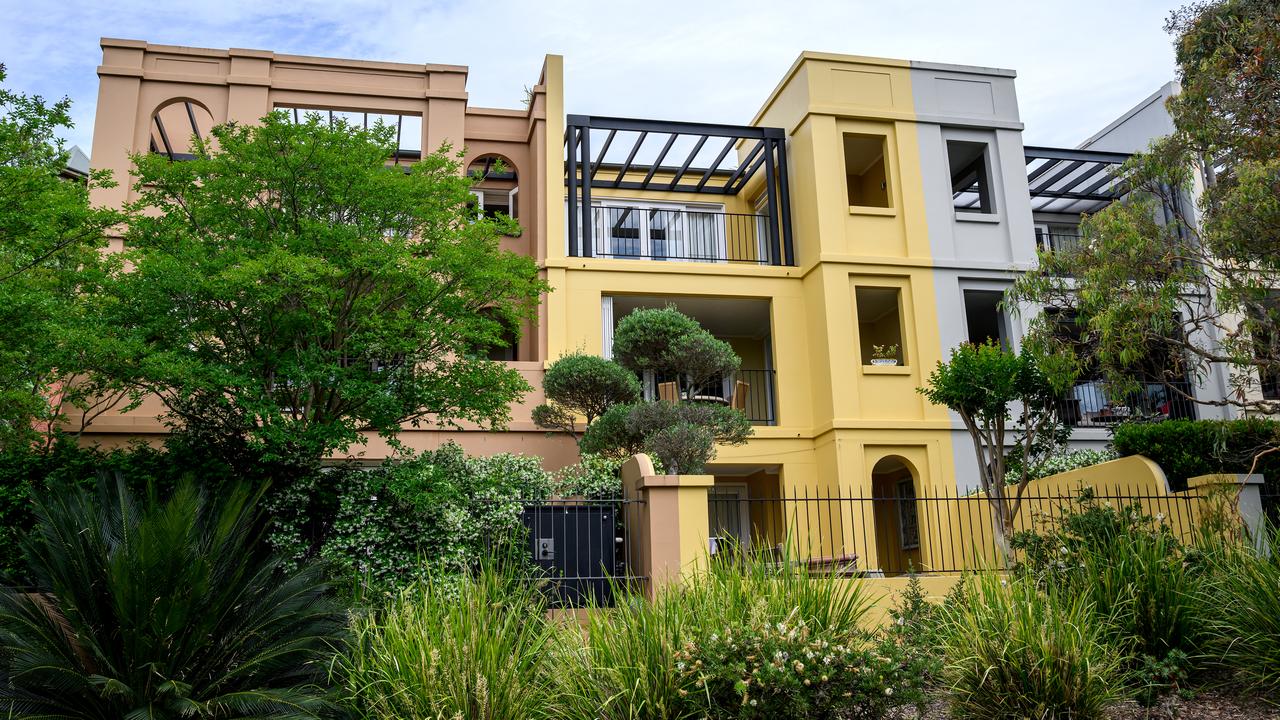
Closer to the sand, however, someone who perhaps owns a two-storey rental but regularly quarantines upstairs for themselves, could attract scrutiny.
Publicly pricing the property well above rental market rates so as to deliberately drive away interest and letting it to family or friends significantly below value will also be frowned upon.
“(The ATO’s) interpretation of the law will be questioned by some,” Ms Franks says.
“However, there is a segment of the community whose deductions need to be reined in in relation to their use of holiday homes.”
To be sure, the ATO can now use third-party data from holiday rental platforms like Airbnb to match income and expenses and identify omitted rental income or overclaimed deductions.
Tax returns will be compared with platform data, bank records and even property listings to spot discrepancies.
Tax services specialist H&R Block is advising clients to be careful.
“Don’t claim what you’re not entitled to and make sure you have records to support and justify every item,” the company recently warned.
“Tread carefully this year – as the ATO is watching you!”
Homeowners will still be able to reasonably claim deductions on things like rental advertising and cleaning costs after a rental stay.