
A human rights lawyer has revealed he endured a torrent of anti-Semitic comments when he tried to sell the house of his late grandparents.
The man, known by the pseudonym ACH, featured in a 2024 news article about the home’s “unique features”, he told an inquiry into anti-Semitism.
The article stated his family was Jewish and dozens of comments were posted as a result.
Some were positive, but others, such as “heard she had a cool tattoo”, were levelled at his dead grandmother, a Holocaust survivor.
“It was deeply upsetting and confronting,” he said.
“It’s a deeply offensive comment.”
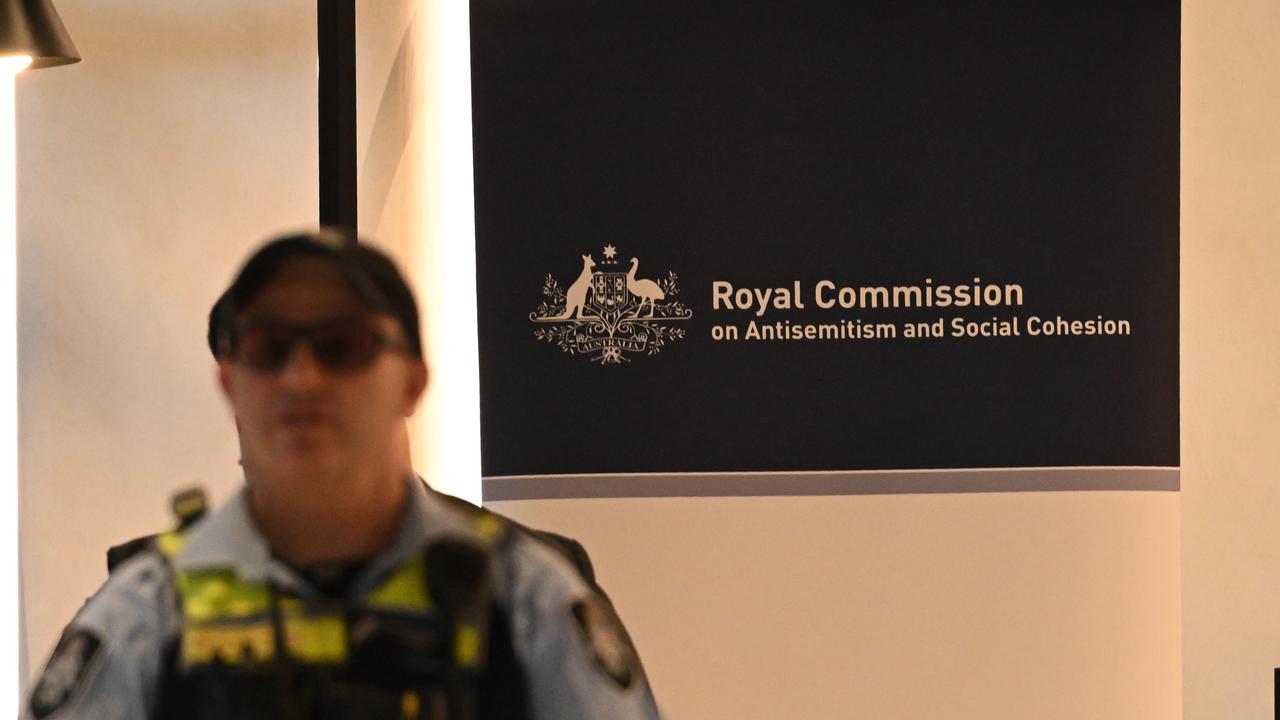
The third block of public anti-Semitism royal commission began on Monday in Sydney, with a focus on the treatment of Jewish people in mainstream and social media.
The ABC and SBS will appear later in the hearings, along with dozens of Jewish Australians who have endured hate online.
Experts have also detailed to the inquiry how the vitriol spreads.
Social media users who engaged in anti-Jewish conspiracy theories were more likely to post things containing hate speech, expert in the field Matteo Vergani said.
The Deakin University associate professor called for the targeting of hate “clusters”, saying it would be a more effective way to remove anti-Semitic content from online spaces.
“Trying to address individual posts containing hate is like emptying the sea with a spoon, because there are too many,” he said.
“So the only way to have a cost-effective intervention is to identify the clusters.
“It’s a great opportunity for us to start monitoring online hate with a stable infrastructure, because if we understand how hate spreads, we can really intervene in the most effective and cost-effective way without having to use censorship or other hard and draconian interventions.”
Experts in social media, online hate and extremism are scheduled to testify at the royal commission on Monday, including Andre Oboler, an academic who has served on Australia’s delegation to the International Holocaust Remembrance Alliance.
Sydney University academics Terry Flew and Rob Nicholls, who research news and social media regulation, will also appear, along with Hannah Rose, a British researcher whose focus is anti-Semitism and far-right extremism.