
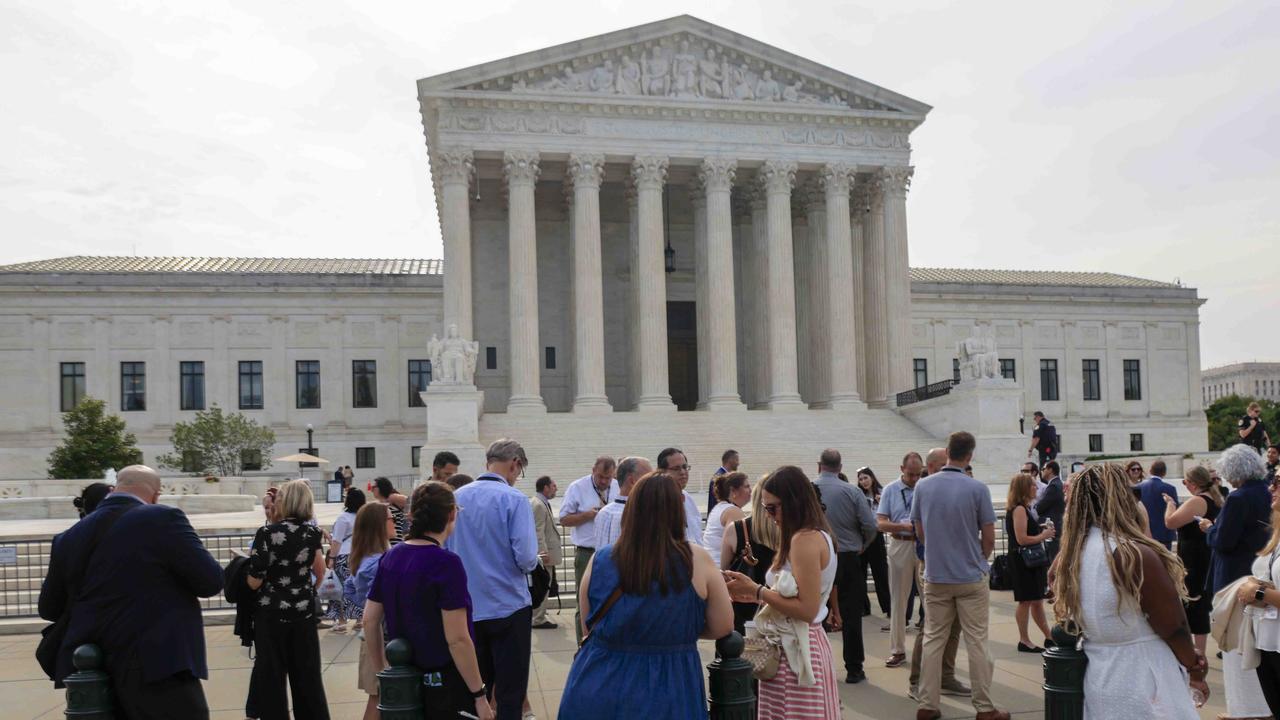
The US Supreme Court has refused to let Donald Trump fire Federal Reserve Governor Lisa Cook as it stood firm to preserve the central bank’s cherished independence against an unprecedented challenge by the Republican president.
The court, in a 5-4 ruling on Monday, blocked Trump from removing Cook for now, providing a safeguard for the Fed specifically.
However, in another ruling, involving Trump’s dismissal of a Federal Trade Commission member, the court expanded presidential authority to fire leaders of other US agencies, overturning a precedent dating to 1935 in the process.
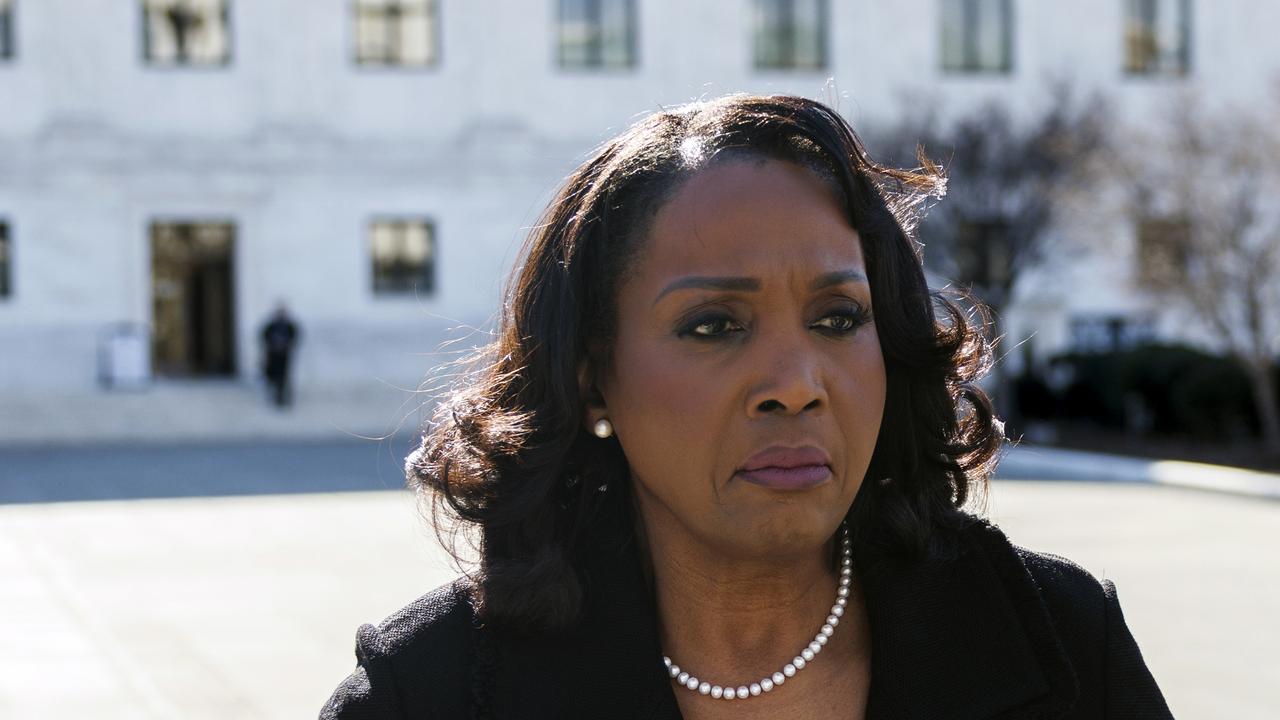
No other president since the central bank’s founding in 1913 had sought to oust a Fed governor.
In his second term as president, Trump has tested the limits of presidential power in numerous other ways as well.
Conservative Chief Justice John Roberts, who authored the ruling, said Trump had “failed to afford Cook the procedural protections to which she was entitled by statute. Without such protections, she could not properly dispute the charges the president laid against her”.
Trump in August cited unproven mortgage fraud allegations in trying to oust Cook, the first black woman to serve as a Fed governor. Cook denied the allegations, calling them a pretext to remove her for monetary policy differences.
Roberts and fellow conservative Justice Brett Kavanaugh joined the court’s three liberal justices in the ruling. Conservative Justices Clarence Thomas, Samuel Alito, Neil Gorsuch and Amy Coney Barrett dissented.
The ruling definitively protects Fed officials from being fired at will by a president.
Canvassing the history of the Federal Reserve System and its predecessor central banks since the founding, including the Bank of North America and the First and Second Banks of the United States, Roberts emphasised that all have featured independence from the president to shield monetary policy from political interference.
“Like the directors of its three predecessors, however, the Federal Reserve’s Governors do not serve at the president’s pleasure – they instead serve staggered 14-year terms, and may be removed only ‘for cause,’” Roberts said.
“We see no reason to leave the public in limbo, or to sow doubt as to the status of one of our nation’s (and the world’s) most important financial institutions,” Roberts added.
Cook welcomed the court’s decision, saying it affirms the Fed’s obligation to make policy decisions independently, free from political interference.
“This was never about mortgage documents signed years before I became a Federal Reserve governor. It was an attempt to remove me on a manufactured pretext because I refused to bow to political pressure and continued to set interest rates based only on what would best serve the American people,” Cook said.
Trump reacted to the decision in a social media post.
“The Cook Lawsuit, having to do with her suitability in sitting on the Board of the Federal Reserve, was sent back by the Supreme Court on a strictly procedural basis, we will take appropriate action immediately to make sure that someone who has committed wrongdoing will not be making vital decisions concerning the Welfare of the United States of America!” Trump wrote.
Trump’s targeting of Cook and a separate criminal investigation his administration launched in January, but later dropped, against then-Fed Chair Jerome Powell together represented the biggest challenge to the central bank’s independence.
In its separate 6-3 ruling powered by the conservative justices, the Supreme Court backed Trump’s firing of Democratic Federal Trade Commission member Rebecca Slaughter. Trump called that ruling “one of the most important ever given with respect to Presidential Powers”.
The Fed is the world’s most important central bank, an institution that determines the cost of credit for the US and beyond and which has been in Trump’s crosshairs since his return to the presidency in January 2025.