
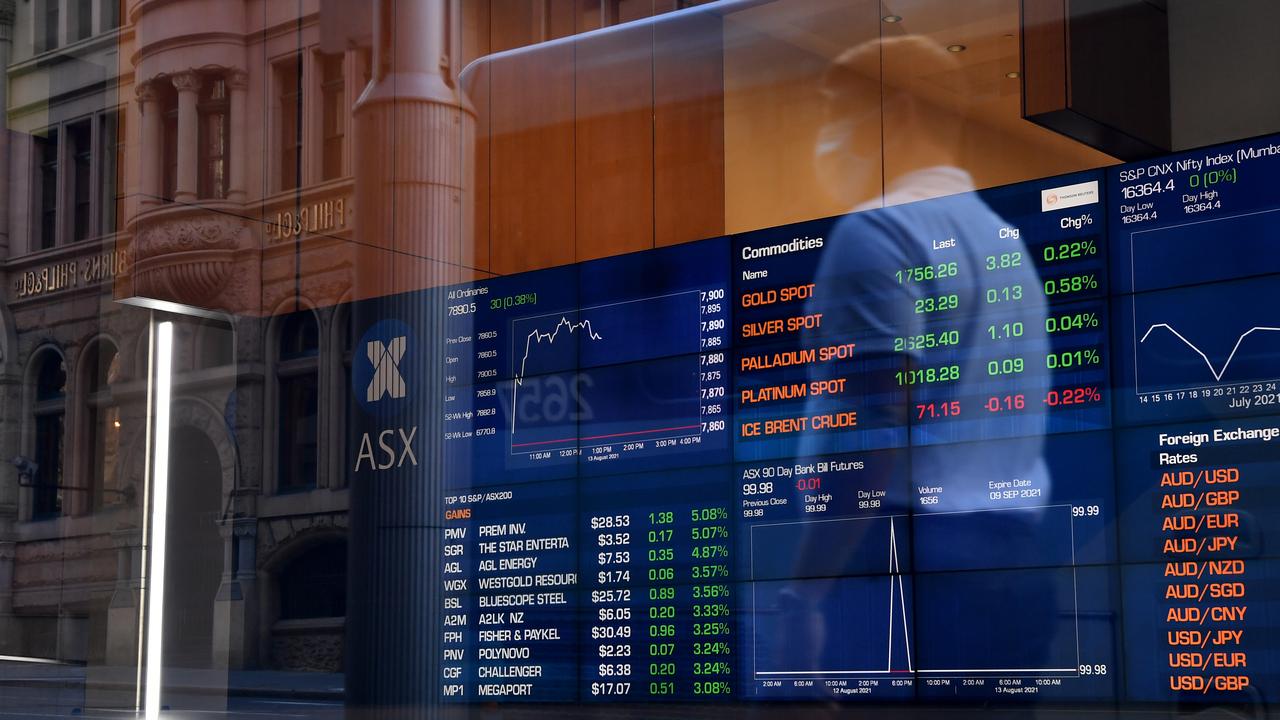
The Australian bourse has slipped, with a sell-off in precious metals, oil and other commodities dragging down resource companies as the US dollar surged and more ships passed through the Strait of Hormuz.
At noon on Thursday, the benchmark S&P/ASX200 index was down 25.8 points, or 0.29 per cent, to 8,782.6, while the broader All Ordinaries was down 27.5 points, or 0.31 per cent, to 8,985.1.
The ASX200 was down even more in morning trading but rose 24 points after the Australian Bureau of Statistics reported the nation added a better-than-expected 40,300 jobs in May, while the unemployment rate ticked down to 4.4 per cent, from 4.5 per cent.
“For an economy that is supposed to be losing momentum, Australians are still working and still spending,” said VanEck’s head of investments and capital markets, Russel Chesler.
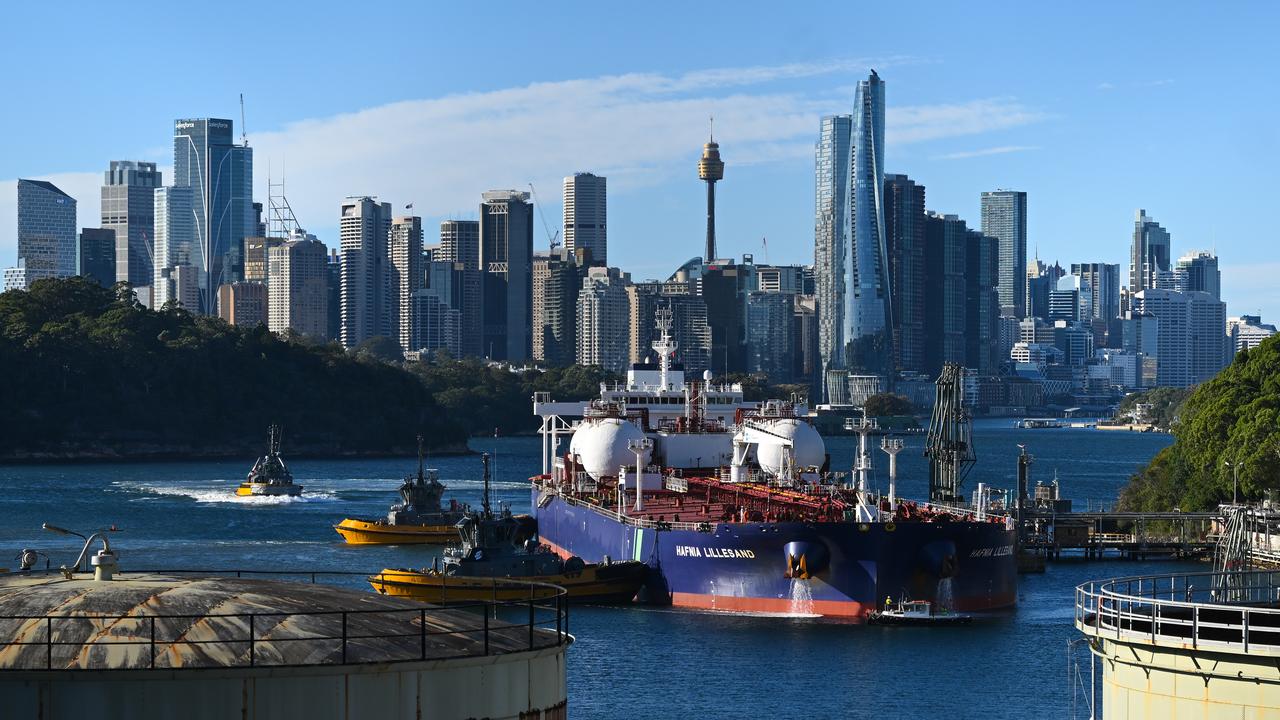
Brent crude had dropped to its lowest level since the war on Iran began on February 28, falling over $US1 to $US72.80 a barrel as tankers carrying millions of barrels of crude oil exited the Strait of Hormuz following the US-Iran peace deal.
The US dollar has jumped to its highest level since May 2025, as measured against a basket of other currencies, amid bets the Federal Reserve will raise US interest rates later this year to limit fallout from the war.
Near midday, seven of the ASX’s 11 sectors were higher, and four were lower.
Health care was the biggest gainer, rising 2.7 per cent as companies that earn most of their money in US dollars gained ground, given the recent strength of the greenback.
CSL added 2.8 per cent, Fisher & Paykel Healthcare rose 4.3 per cent and ResMed climbed 4.2 per cent.
The ASX’s two resource sectors, materials/mining and energy, were down 1.7 and 2.0 per cent, respectively, as the surging greenback pressured commodity prices.
BHP dropped one per cent and Rio Tinto lost 1.3 per cent, although Fortescue was up 0.6 per cent, despite being hit with a sexual harassment class action lawsuit.
Goldminers were faring worse, with Evolution down 3.4 per cent and Northern Star dropping 3.1 per cent, as the yellow metal dropped under $US4,000 an ounce for the first time since November.
Mineral Resources was down three per cent as the mining services company said it would shutter its Lucky Bay mineral sands mine in regional WA, shedding 110 jobs, because of the conflict in the Middle East.
In the energy sector, Woodside was down 2.3 per cent, Santos dropped 2.8 per cent, and Whitehaven Coal fell 4.6 per cent.
In the financial sector, NAB dropped 3.1 per cent, Westpac fell 0.8 per cent, ANZ dipped 0.4 per cent and CBA edged down 0.1 per cent.
Judo Capital plunged 39.7 per cent to a two-year low of 92.5 cents after the business-focused bank said three troublesome loans had emerged in recent weeks.
Insurance companies were having a good day, with IAG up 3.4 per cent, Medibank Private rising 2.3 per cent and Steadfast Group climbing 2.9 per cent.
The Australian dollar dropped to its lowest level since late April against its US counterpart, trading for 68.93 US cents, from 69.06 US cents at 5pm on Wednesday.