

Australia has the resources it needs to be a globally prosperous economy, but it is failing to convert those assets into meaningful growth, a think tank says.
Abundant renewable energy, critical minerals, a world-class research sector and ties to the world’s fastest-growing region are among its advantages.
But it risks falling behind unless governments pursue more ambitious reforms to lift business investment, innovation and economic dynamism.
These were the findings of the Committee for Economic Development for Australia’s inaugural State of the Nation report, released on Monday.
“We have a strong hand,” the think tank said.
“However, national advantage does not convert into prosperity automatically, it requires deliberate choice.”
The report found Australia’s long-term economic performance was weakening across several key measures.
Productivity growth, business investment and competitiveness were subdued or moving backwards, while housing affordability and disadvantage were worsening.
“The verdict: Australia is not moving fast enough, and on too many fronts we are drifting,” it said.
Progress has been made on emissions reduction and the renewables rollout but implementation is too slow while AI adoption lags comparable countries.
Capitalising on those two opportunities would be critical to Australia’s long-term economic and social prosperity, CEDA argued.
Business entry rates have fallen from 15.1 per cent to 10.7 per cent in two decades, while productivity growth and non-mining investment remain too low.
The report comes ahead of the Tuesday release of budgets for two of Australia’s state economic powerhouses, NSW and Queensland.
Following years of successive operating deficits, the NSW budget is poised to remain in the red.

A slowing property market will hit government coffers where it hurts, with a forecast $5 billion reduction in estimated stamp duty revenue over four years.
According to e61 Institute analysis, a legacy of excessive spending, volatile revenues and a blistering infrastructure costs are major headwinds for the Queensland budget.
“The government also wants to maintain services, eschew tax increases and get public debt to more sustainable levels,” chief executive Michael Brennan said.
“Achieving all these things is proving fraught.”
The CEDA report also pointed to growing strains on the nation’s social compact.
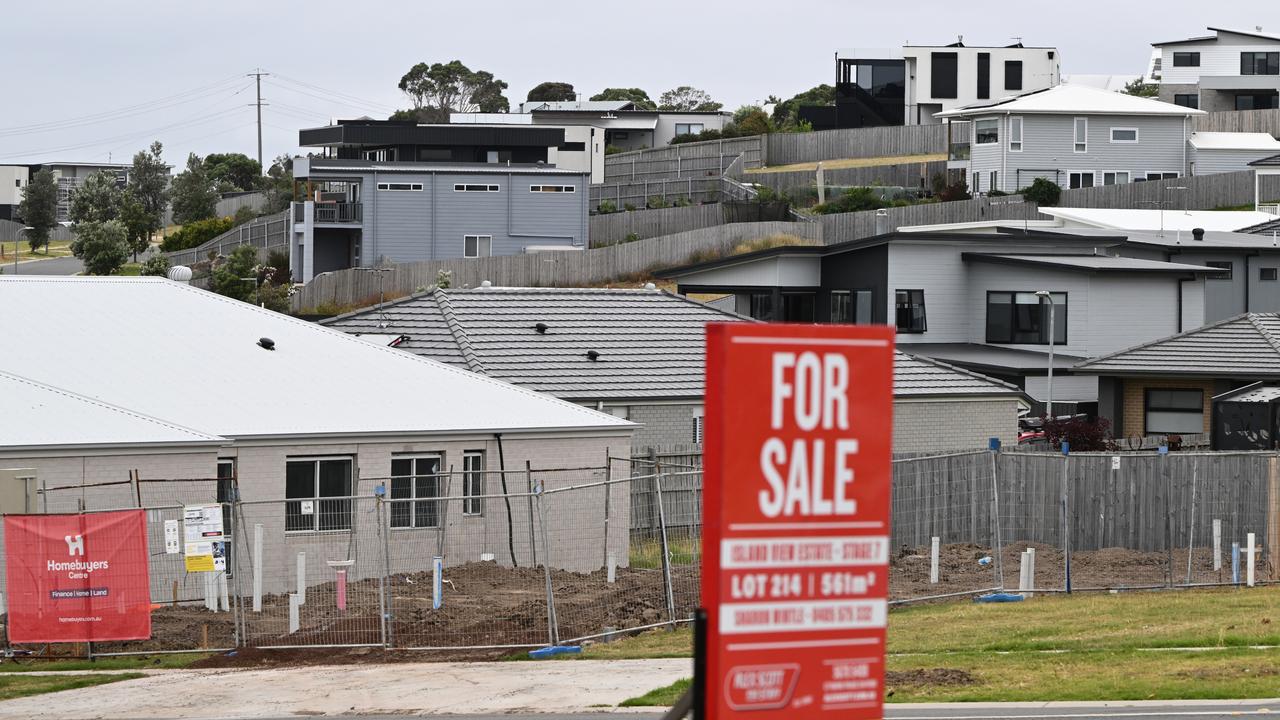
Housing affordability is worsening while poverty and demand for health and care services are rising in tandem with an ageing population.
Median house values now sit at 9.9 times median incomes, while rental vacancy rates remain well below levels considered healthy.
Despite the headwinds, Australia remains well positioned to succeed so long as policymakers embrace business and address social challenges.
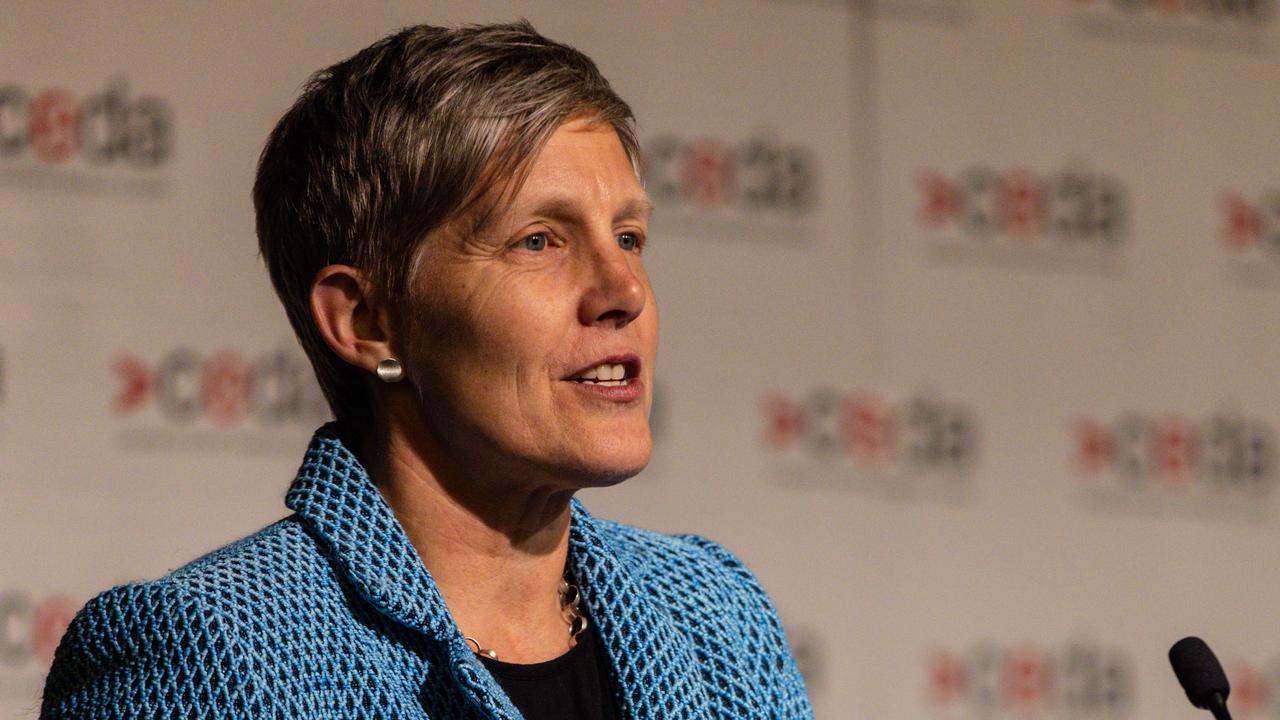
“Australia has what it takes to succeed,” CEDA chief executive Melinda Cilento said.
“But success requires ambition and clear priorities, frank debate, deliberate choices and the willingness to act.”