
First home buyers are in no better position to crack into the property market despite house prices falling in Sydney and Melbourne.
While home values have dipped for consecutive months in Australia’s two largest markets, 2026’s interest-rate hikes have raised the affordability hurdle even higher.
The income required to buy a median house in Sydney eclipsed $178,000 a year in May, up from $170,000 at the start of the year, data from property analytics firm Cotality showed.
In Melbourne, households had to earn more than $108,000 a year, compared to under $104,000 in January.
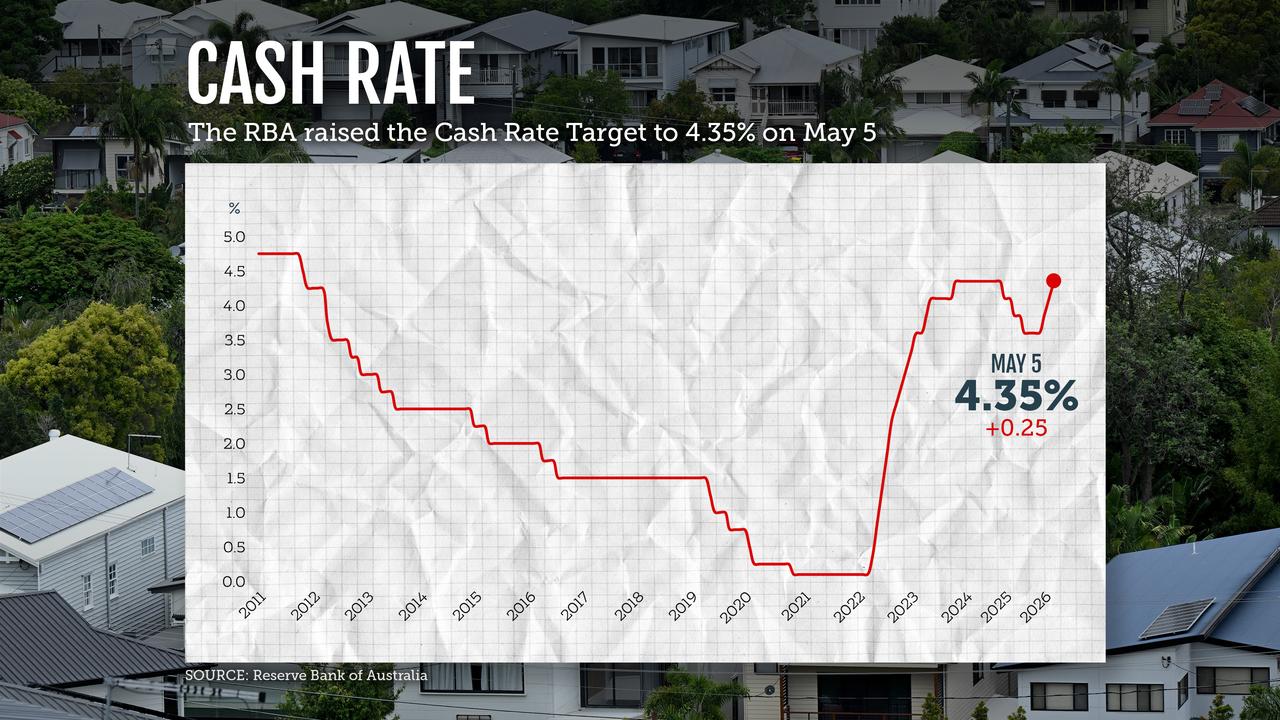
While the Reserve Bank held rates steady on Tuesday, its three interest rate hikes in February, March and May have collectively added about $450 in monthly interest payments for borrowers with a $1 million mortgage.
That’s made it significantly more challenging to service a mortgage, especially in the mid-tier capital cities where prices were still rising, Cotality head of research Gerard Burg said.
”In expanding markets like Brisbane and Perth, the compounding effect of rising property values and higher interest rates creates an aggressive income barrier for buyers, even at the lower end of the spectrum,” he said.
A buyer looking to afford a median house in Brisbane must earn over $17,000 a year more than they did in January, while the income required to service a house in the bottom quartile jumped by $14,500.
In the three months following the first RBA rate hike, Brisbane’s median dwelling price rose by 3.4 per cent while the median Perth home appreciated by 4.8 per cent.
Sydney and Melbourne declined by 2.1 per cent and 2.3 per cent, respectively.
Economists believe the downturn is likely to spread nationwide, with NAB and ANZ forecasting home prices to fall by at least two per cent in 2026.
Proposed curbs to negative gearing and the capital gains discount have further depressed the housing market, and sellers have increasingly been forced to cut prices.
The median vendor discount across the capital cities climbed to 3.3 per cent in May, as buyers gained the upper hand.