
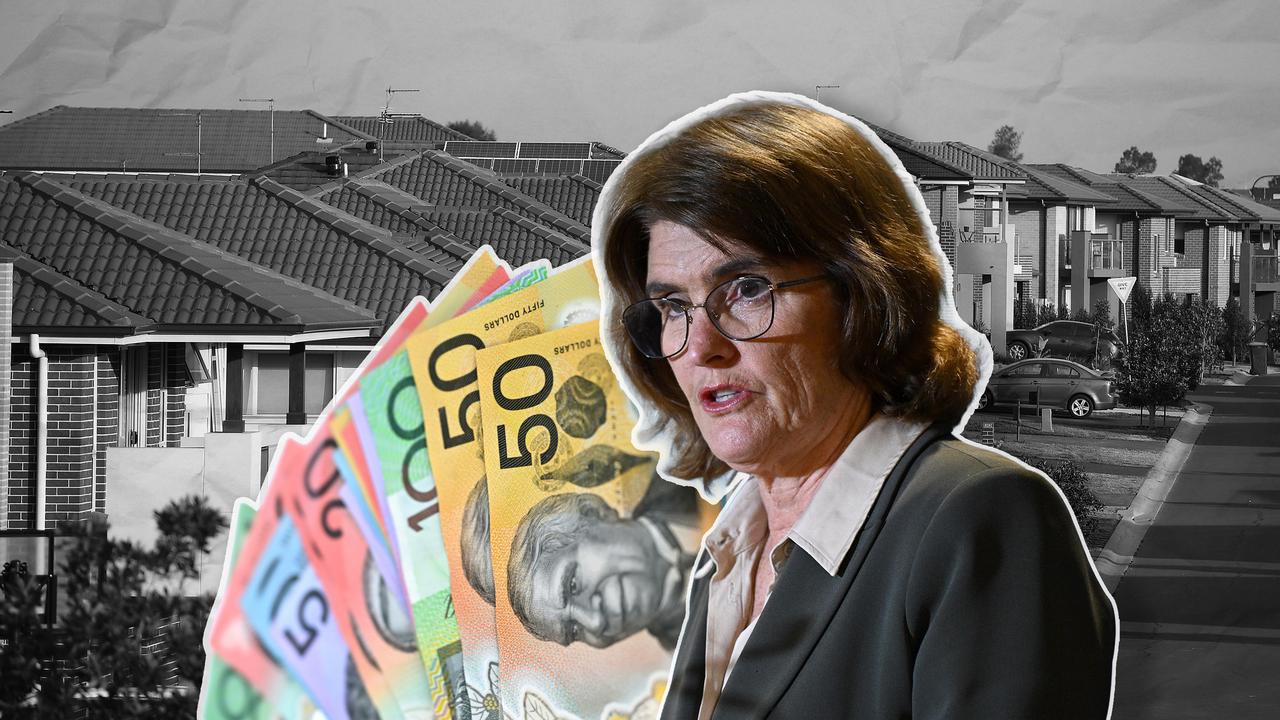
Borrowers can be reassured interest rates are likely to remain on hold for now, but with the inflation dragon still rampant, they should not expect the Reserve Bank to come to their rescue any time soon.
During economic slowdowns, the central bank has often been the “knight in shining armour” for households, cutting interest rates when times are tough to give the economy a boost, HSBC chief economist Paul Bloxham said.
A sluggish GDP print for the March quarter and rising unemployment suggest Australia is already in a downswing.
But while he predicted no more hikes from the Reserve Bank this cycle, mortgage holders were unlikely to receive any rate relief until at least 2027, Mr Bloxham said.
The board should take a lesson from 2025, when it cut interest rates three times as inflation was still coming down, and not turn its back on the inflation dragon until it is sufficiently tamed, he said.
“We expect the board to judge that now is the time to pause, but that the fight may not be over yet,” Mr Bloxham wrote in a research note.
“The knight will need to remain armed and vigilant. No returning with good news of a slayed dragon and cutting the cash rate quite yet.”
Financial markets agreed with the vast majority of economists that the Reserve Bank would hold the cash rate steady at 4.35 per cent on Tuesday, but were pricing in about a one-in-two chance of one more rate rise in 2026.
Since the last meeting, underlying inflation had been less worrying than feared, growth had been subdued and the federal budget had further weighed on sentiment, IG market analyst Tony Sycamore said.
With markets assured of a hold, attention would instead turn to the tone of the board’s accompanying statement and governor Michele Bullock’s press conference for any hints around the likelihood of further tightening, he said.
Even with a hold, borrowers with a $1 million mortgage would be paying about $450 more per month in interest payments compared to February, before the Reserve Bank’s hiking cycle began.
Businesses were also feeling the pressure, with late payments at a six-year high, CreditorWatch chief economist Ivan Colhoun said.
An “irresponsibly large” increase to minimum and award wages by the Fair Work Commission since the last meeting would further ramp up cost pressures on employers and complicate the Reserve Bank’s fight against inflation, he said.