
The federal government’s planned tax changes will dump compliance costs on taxpayers and their advisers, an accounting body warns.
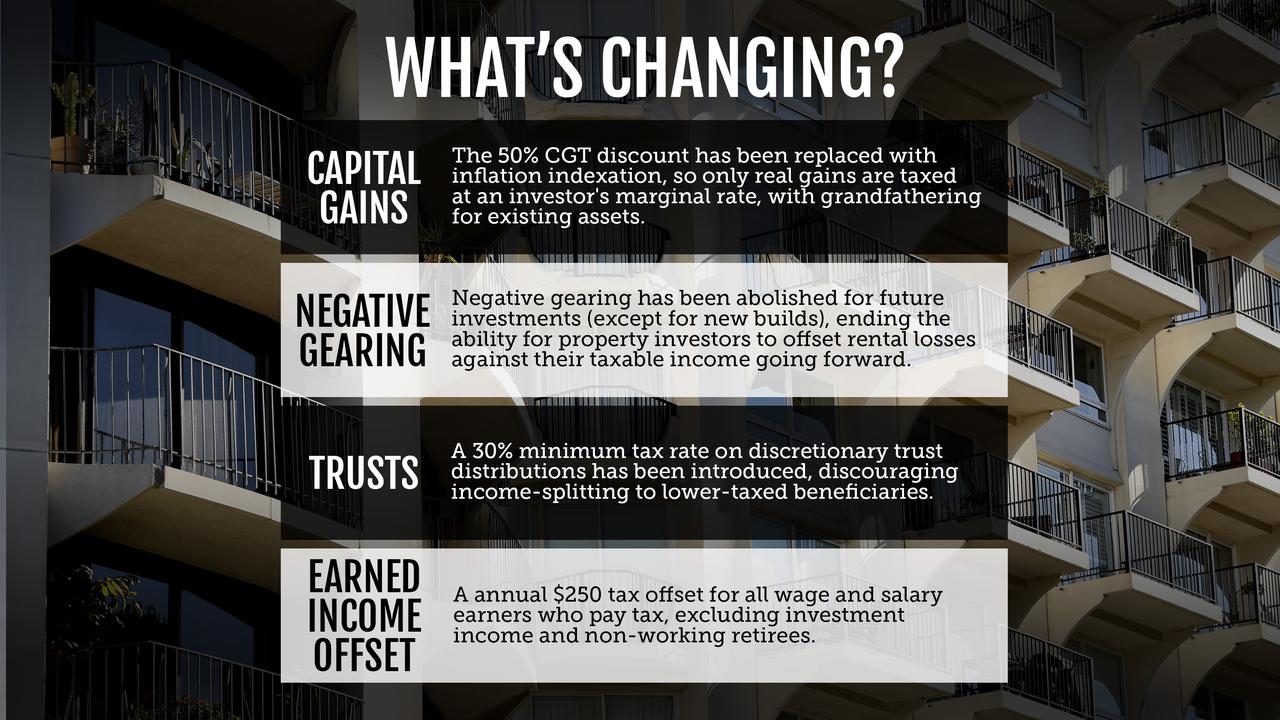
Under Labor’s reforms, the capital gains tax discount of 50 per cent will be replaced with an inflation-indexed calculation and a 30 per cent minimum rate.
Negative gearing of investment properties will also be scaled back to only apply to new houses from July 2027.
The Chartered Accountants Australia and New Zealand will tell a senate inquiry on Tuesday a statutory review of the legislation should take place within 12 months due to the short consultation time and complexity of the changes.
This would act as a safeguard mechanism to ensure the legislation was operating as intended and to provide an opportunity for any “fixes” that needed to be made.
“As drafted, the package lacks legislative clarity and will impose substantial compliance costs on taxpayers and their advisers,” the peak body’s submission said.
A $1000 instant tax deduction for work-related expenses should also be periodically indexed to ensure its real value wasn’t eroded by inflation over time, the body representing more than 140,000 accounting professionals said.
Tuesday’s hearing will be the second in two days for the snap inquiry, which has fuelled concerns the process of reviewing the changes has been rushed.
The Australian Council of Trade Unions, which is also appearing before the inquiry, said the existing capital gains tax discount and negative gearing created an “untenable situation” for people trying to enter the housing market.
In its submission, the unions said the use of trusts – also due to be wound back following May’s budget – had contributed to a system where well-off individuals benefited disproportionately.
“Attempts to defend the trusts system … is an attempt by the already wealthy to defend their vested interests,” the ACTU said.
The Australian Council of Social Service backed the proposed changes as “long overdue” to bring equity to the tax system.
But the council labelled the grandfathering of existing negatively geared properties as problematic, saying it delayed the impact of the reforms on the housing market and preserved unfair tax advantages for existing investors.
Instead, they recommend a five-year phase-in of reform to give investors time to adjust.
The coalition has vowed to fight the changes, while the Greens are yet to commit their support.