

Britain’s economy contracted by 0.1 per cent in April, its first monthly drop since August 2025 as the Iran war’s cancellation of Formula 1 Grand Prix races and other Gulf sporting events delivered a blow to the British entertainment industry.
Friday’s data from the Office for National Statistics (ONS) showed the first clear signs of an impact from the US-Israeli war on Iran in terms of British economic growth.
Output in the dominant services sector declined in April by 0.2 per cent, dragged down by administration and support services, as well as the arts, recreation and entertainment sectors.

An ONS official said there were reports that cancellation of sporting events in the Middle East had hit related British firms.
The outbreak of war resulted in the cancellation of Formula 1 Grand Prix races in Bahrain and Saudi Arabia, which had been due to take place in April.
Tennis and football events were also called off.
Thomas Pugh, chief economist at tax and consultancy firm RSM, said the outlook was set to worsen.
“Higher energy prices and borrowing costs along with a renewed bout of political uncertainty are likely to conspire to bring growth almost to a standstill for the rest of the year,” Pugh said, adding that the data added to a sense the Bank of England was likely to leave interest rates on hold next Thursday.
Investors showed little reaction to Friday’s figures, with the pound steady and financial markets continuing to price in only a small chance of a rate hike in June, with one fully priced in for November.
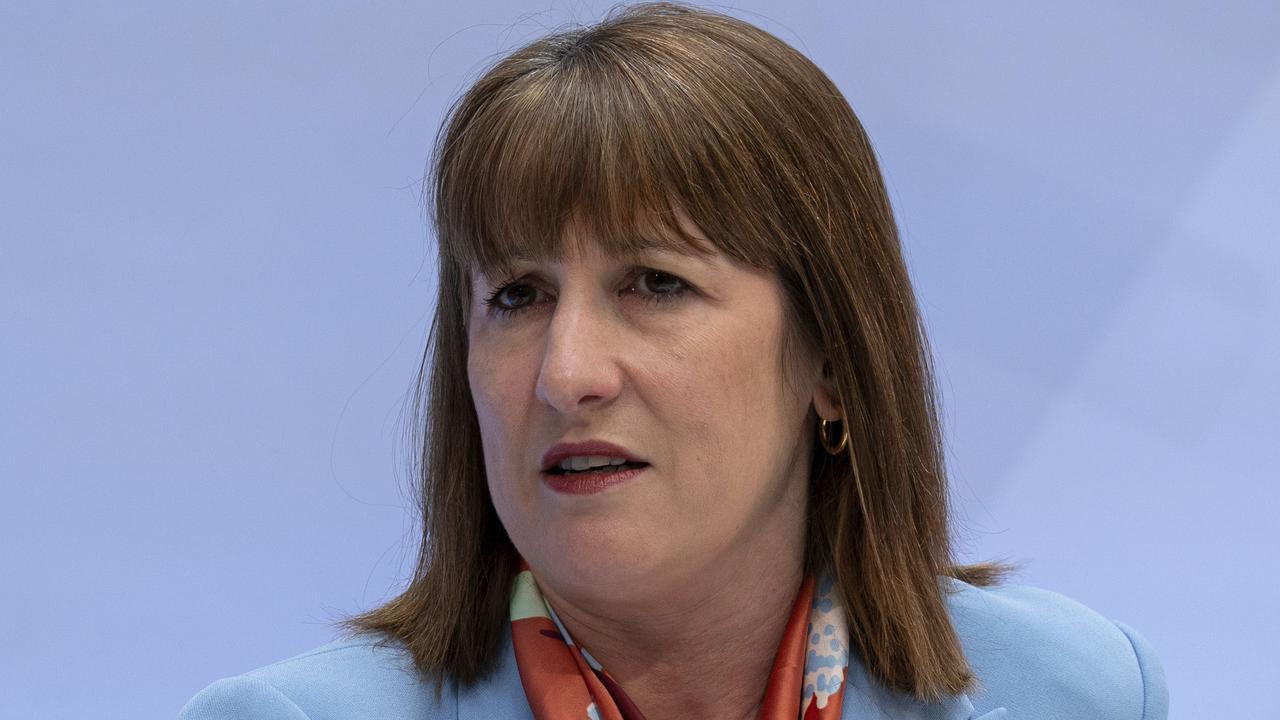
Responding to the ONS data, finance minister Rachel Reeves said the war in Iran would have an impact on the economy but that her plan was the right one.
Manufacturing output rose by 0.4 per cent in April – helped by a rise in pharmaceuticals production which often sees large swings – helping to offset a bad month for the services sector.
Construction output also grew modestly.
Overall economic output in the three months to April was 0.7 per cent higher than the previous three months, as economists had expected.
Separate trade data showed the value of fuel imports surged in April to Stg7.1 billion ($A13.5 billion), the highest reading for three years, reflecting both the surge in oil prices following the outbreak of war and Britain’s high dependence on imported energy.