
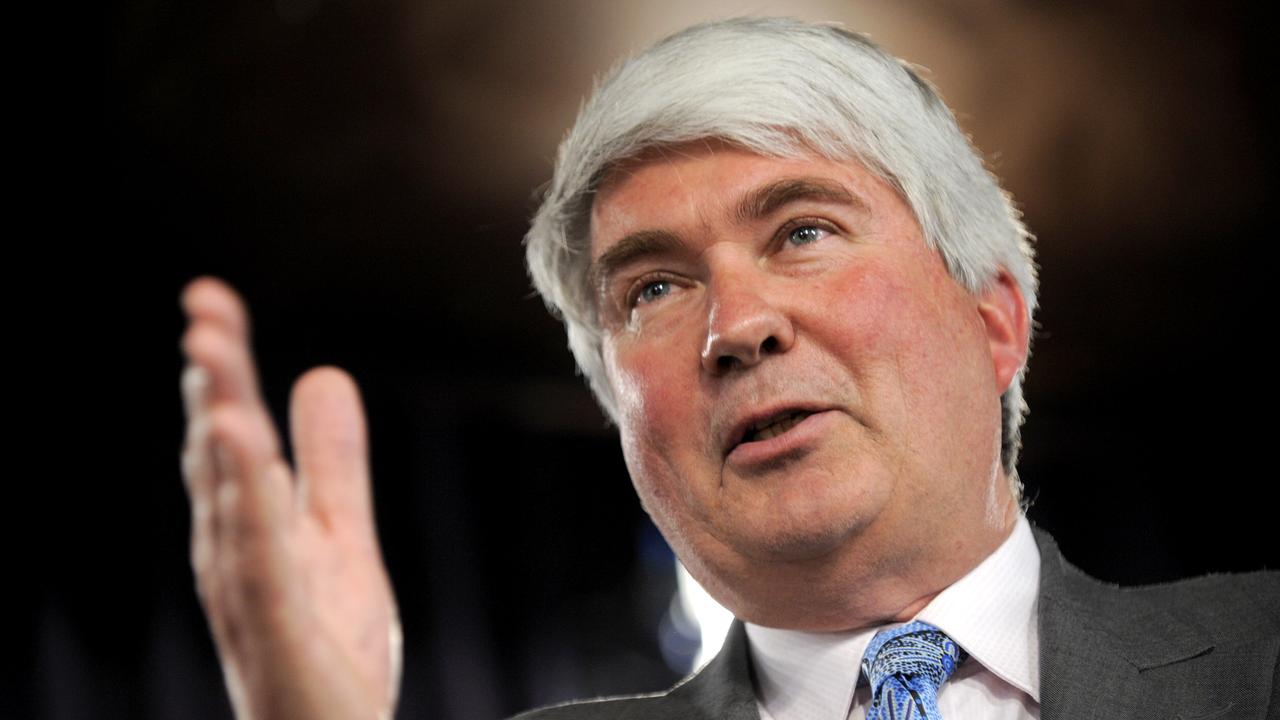
In July 2009, Father Frank Brennan was wrapping up his historic national human rights consultation, a job assigned by Prime Minister Kevin Rudd.
The task was mighty: to investigate whether Australia – the only developed democracy without a bill of rights – needed one, and how it might work.
Across the previous six months, Fr Brennan led roundtables in every state and territory, in cities, in Aboriginal communities, on Torres Strait islands, and even Christmas Island.
Over that time, the Jesuit priest moved from a self-declared fence-sitter to a reform-backer. The final report championed a human rights act.
But in winter 2009, as the group was writing up its 622-page report, he was asked to meet with Mark Arbib, then a NSW senator and factional leader.
“I don’t know if this ever been reported but about halfway through the inquiry, I was summoned to the office of Mark Arbib,” Fr Brennan told AAP.
“I knew I was walking into the den of the NSW right of the ALP. And he says to me, ‘so, father, explain how would a human rights act work?’.
“So I went through that, and he said, ‘you mean if we set this up, there’d be some things parliament couldn’t do?’ and I said, ‘yeah, that’s right’.
“He said, ‘well, we’d be mad to do that, wouldn’t we?’.
“I walked out of that room knowing that it was absolutely dead in the water.”
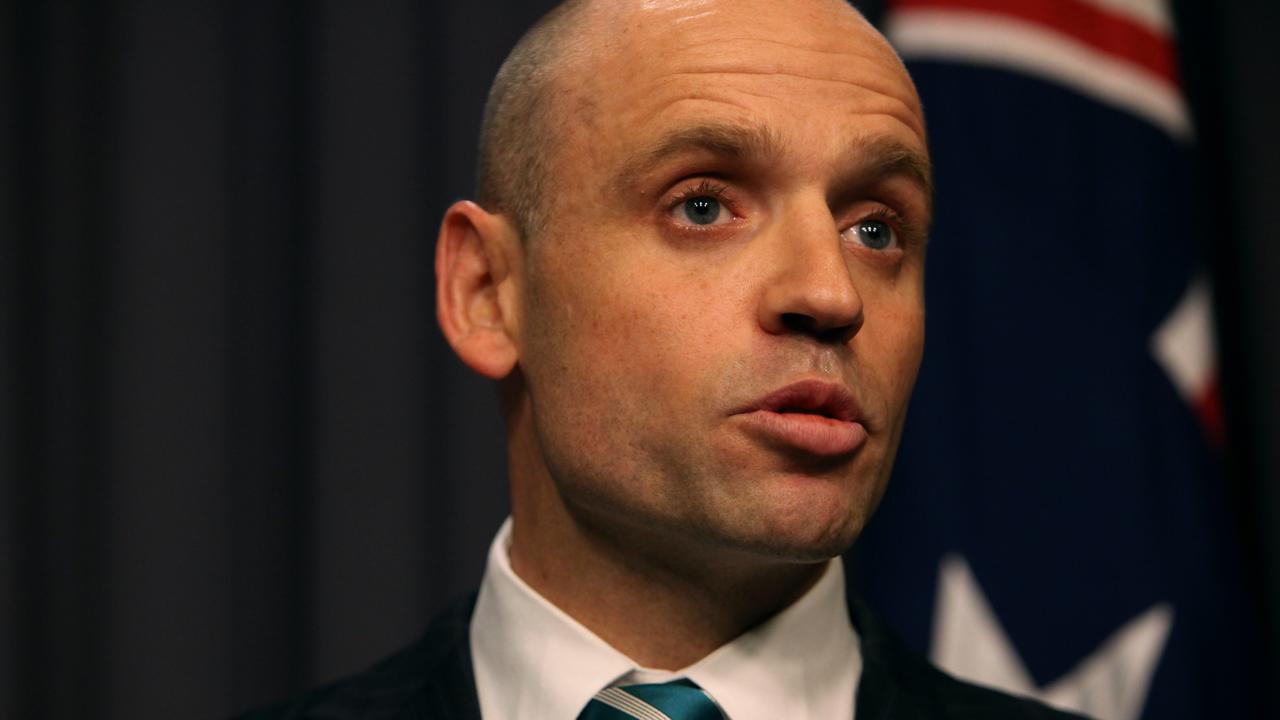
The vast consultation was Australia’s largest public inquiry, energising both sides of the debate to make 35,000 public submissions, including 28,000 in favour of a human rights act, with 4200 against.
The reform would have codified all of Australia’s agreed obligations under international treaties – such as convention against torture, on disabilities, on rights of the child – into a single act.
However, Mr Arbib’s concerns were typical of others around the cabinet table, and on the conservative side of politics, that it might tie the hands of governments seeking to enact particular laws.
The former senator told AAP he “won’t quarrel” with the recollection of Fr Brennan, who he called a “good and decent man”.
“Asking hard questions about how a proposal would work in practice was part of the job, and the balance between the parliament and the courts was the central question in that debate,” he said.
Rather than a human rights act, the Labor government opted for watered-down reform.
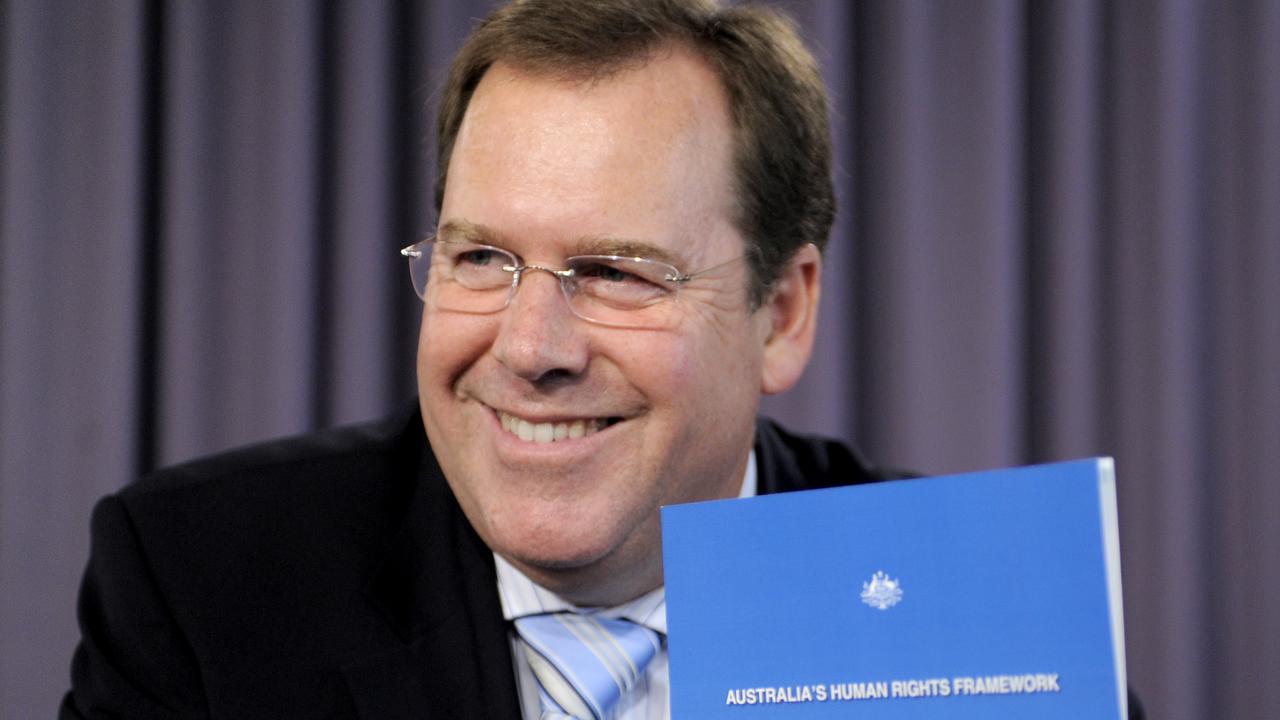
It brought in compatibility statements outlining whether laws follow human rights obligations, and a parliamentary committee to scrutinise laws from a human rights perspective.
Mr Arbib, now chief executive of the Australian Olympic Committee and staying out of the debate, said that call was made by the prime minister and attorney-general.
Fr Brennan said he felt attorney-general Robert McClelland wanted the reform and Mr Rudd was also keen early in the inquiry before going cold on it.
The inquiry reported back in October 2009, just as Mr Rudd faced a partyroom backlash that eventually ended his leadership.
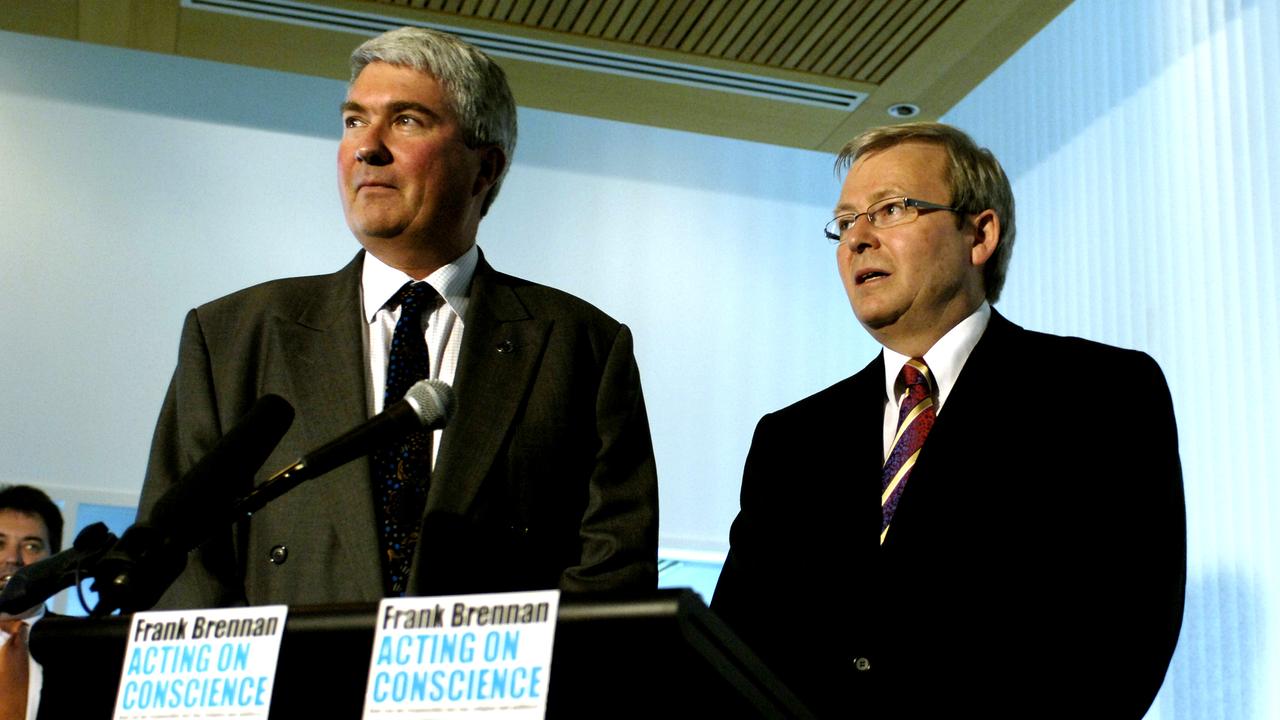
“I think it was all just too complex, and there were too many balls being juggled in Canberra at that time, and this was not a high priority,” Fr Brennan said.
He interpreted the July 2009 meeting with Mr Arbib as the reform’s death knell.
“I didn’t feel threatened. It was a very honest conversation. But I came out feeling deflated, put it that way,” he said.
From that point, Fr Brennan decided to write the report tactically, not by splashing the human rights act as Recommendation 1, but instead layering them as a step-by-step guide that might allow a future government to legislate it.
“Very deliberately ours was a set of what I call cascading recommendations,” he said.
“I knew there was no way we were going to get a human rights act, but there was some way we could get something like a parliamentary joint committee.”