
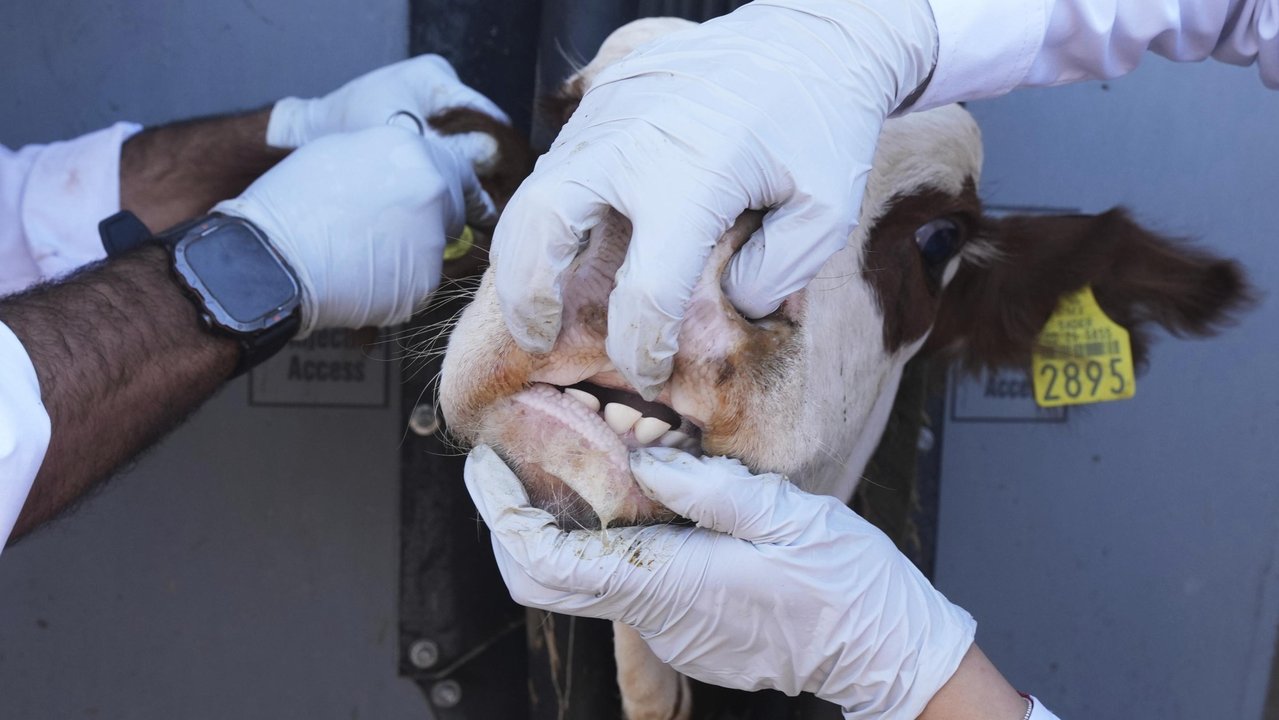
A second case of the flesh-eating screwworm parasite has been confirmed in Texas, emerging just kilometres from where the first US detection in decades was reported.
The new case in Zavala County, confirmed by the US Department of Agriculture on Friday, was detected on a ranch 9km from the first positive case of screwworm in Texas, which was confirmed on Wednesday.
The department said the infection was in a one-month-old calf.
The department’s Animal and Plant Health Inspection Service said in a statement it discovered the second infestation “after testing a number of suspect cases”.
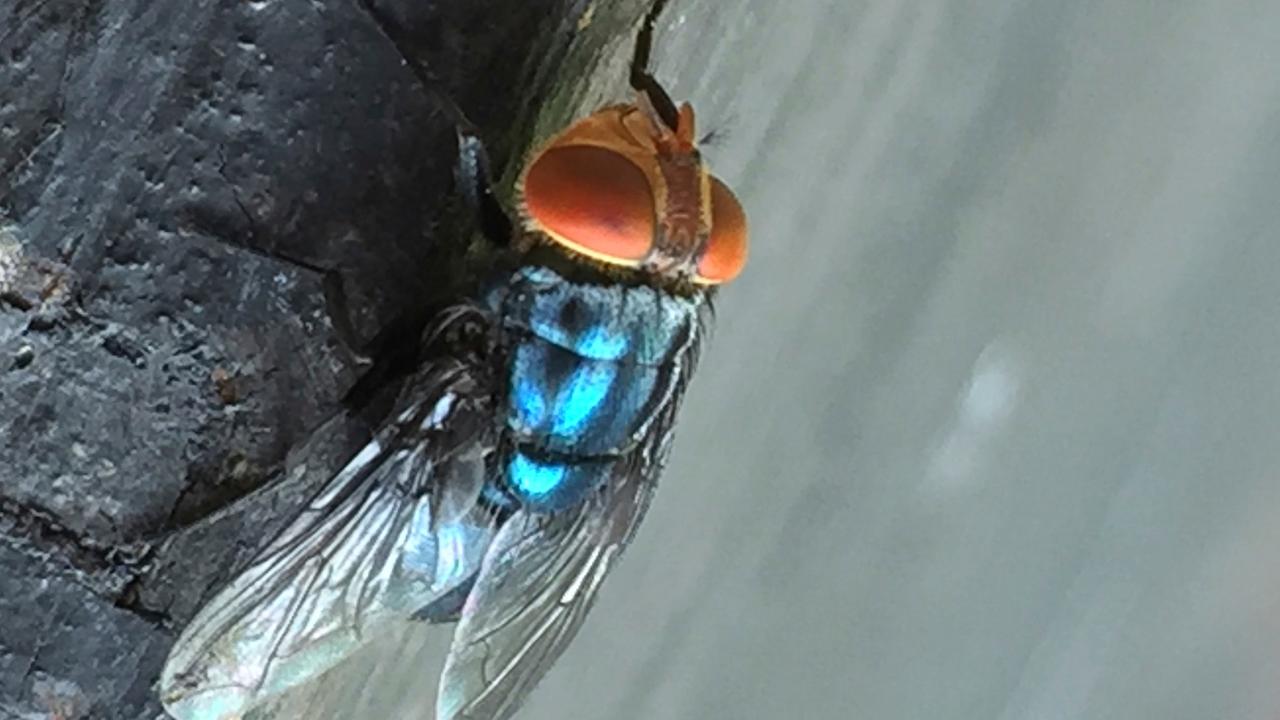
Officials are continuing to “collect and test other samples from the surrounding area which have come back negative”, it said.
Friday’s case and the initial detection in nearby La Pryor, a town roughly 50km northeast of the US-Mexico border, have dealt a setback to US cattle ranchers, who have been preparing for the arrival of the pest as it has moved north through Mexico in the past year.
Screwworms are parasitic flies that deposit eggs in open wounds or mucous membranes of warm-blooded animals.
After hatching, the larvae penetrate living tissue, feeding on the host and potentially causing fatal damage if not treated.
An outbreak in US border states in the 1960s devastated wildlife and inflicted heavy financial losses on ranchers.
A widespread resurgence now could pose a significant economic threat in Texas, the country’s largest cattle-producing state, through animal deaths and higher labor and treatment costs.
To limit the risk, Washington has kept the US-Mexico border closed to live cattle imports for more than a year and has spent millions of dollars to curb the pest’s northward spread, including funding sterile fly production, expanding trapping programs and stepping up livestock monitoring.