

A controversial tax reform package will correct a “huge mistake” that locked a generation of people out of home ownership, Labor says.
Reserve Bank research has found the proportion of Baby Boomer property investors has surged since the capital gains discount was introduced.
As changes to negative gearing and the capital gains tax were introduced to parliament on Thursday, Housing Minister Clare O’Neil told the National Press Club the Howard government created a “perfect storm” in Australia’s housing market.

By introducing the 50 per cent capital gains discount in 1999, investors piled into the market when declining building productivity was already weakening supply.
“The result? You can find it in any economics textbook in the world,” Ms O’Neil said.
“House prices sharply detached from incomes. Rents surged. And homelessness rose in a country where we should never accept this as inevitable.”
A generation had been locked out of home ownership, she said, accusing the coalition of trying to defend a broken status quo.
Research by Reserve Bank senior analyst Alexandra Michielsen showed 12 per cent of housing investors were older than 60 in 2000, the year after the Howard-era reform.
In 2023, that proportion had surged to 28 per cent.
The share of investors younger than 30 fell from nine per cent to four per cent in the same period.

Opposition housing spokesman Andrew Bragg called the tax changes “crazy policy”, saying Treasury’s analysis found it would reduce housing supply by 35,000 homes.
But economists at Westpac found the tax changes might eventually drive an annual lift in dwelling construction of 15,000 to 30,000 per year, as a result of a carve-out for new builds directing investor activity away from established housing.
The government argues other policies encouraging supply, including $2 billion for so-called last-mile infrastructure and a $40 million package to encourage modular construction, would result in a net increase in homes built.
The funding would support a trial of modular, pre-made building components which could speed up construction times while driving down costs, Ms O’Neil said.
“It means building smarter and faster, using standardised components like bathroom pods, wall panels and facades,” she said.

The funding announced on Thursday will go towards a “kit of parts” – a system of home components that can be built off-site and assembled similarly to a supersized IKEA flat-pack.
In Sweden, about 80 per cent of detached homes are built using prefabricated parts, compared to just five per cent in Australia.
The system is the brainchild of Building 4.0 CRC – an industry-led research group partly funded by the federal government – and is open-source, meaning businesses across the country can participate without relying on a single proprietary company.
The federal funding would help the states and territories with pilot projects, design work, technical advice, training and supply chain development, Ms O’Neil said.
National Shelter, a housing advocacy non-profit organisation, said the funding would help tackle one of the most stubborn barriers to delivering modern construction methods at scale.
“There is simply no pathway to meeting our future housing needs without the adoption of new and innovative housing,” the body’s chief executive Jackson Hills said.
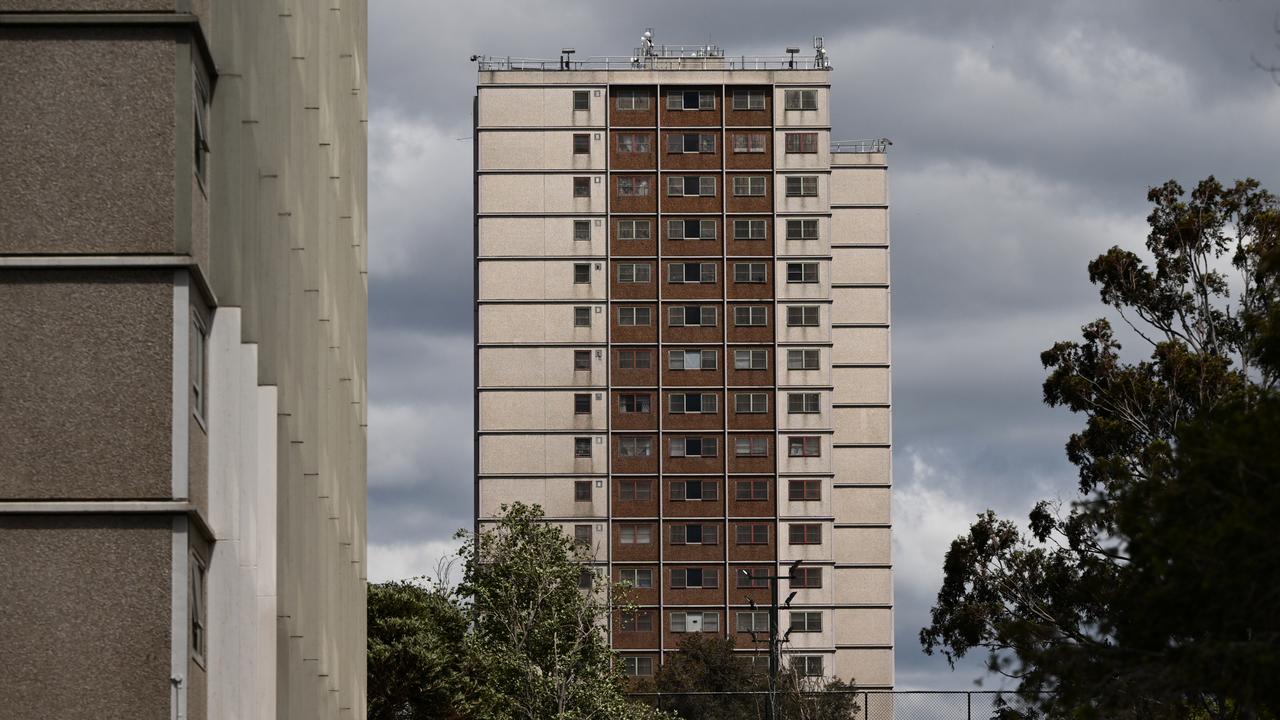
The government also wants more social housing to be made from prefabricated parts, as this would create a pipeline of work for the so-far nascent industry in Australia.
Building 4.0 CRC chief executive Mathew Aitchison said his organisation would work with governments and industry to help roll out the kit of parts.
While he supported the government encouraging prefabricated and modular construction, the overstuffed National Construction Code was making it too difficult to build cheap homes, Senator Bragg said.