

People looking for a job will be continually punished despite looming changes to employment services, advocates claim.
Workplace Minister Amanda Rishworth will outline a shake-up of employment services in a speech to the National Press Club on Wednesday, in an attempt to make the system fairer.
More than one million Australians – many of them on programs such as JobSeeker – are required to see privately owned employment services providers under a $2 billion-a-year scheme aimed at getting more people into paid work.
But the system has been plagued with claims of unfair suspensions from support payments.
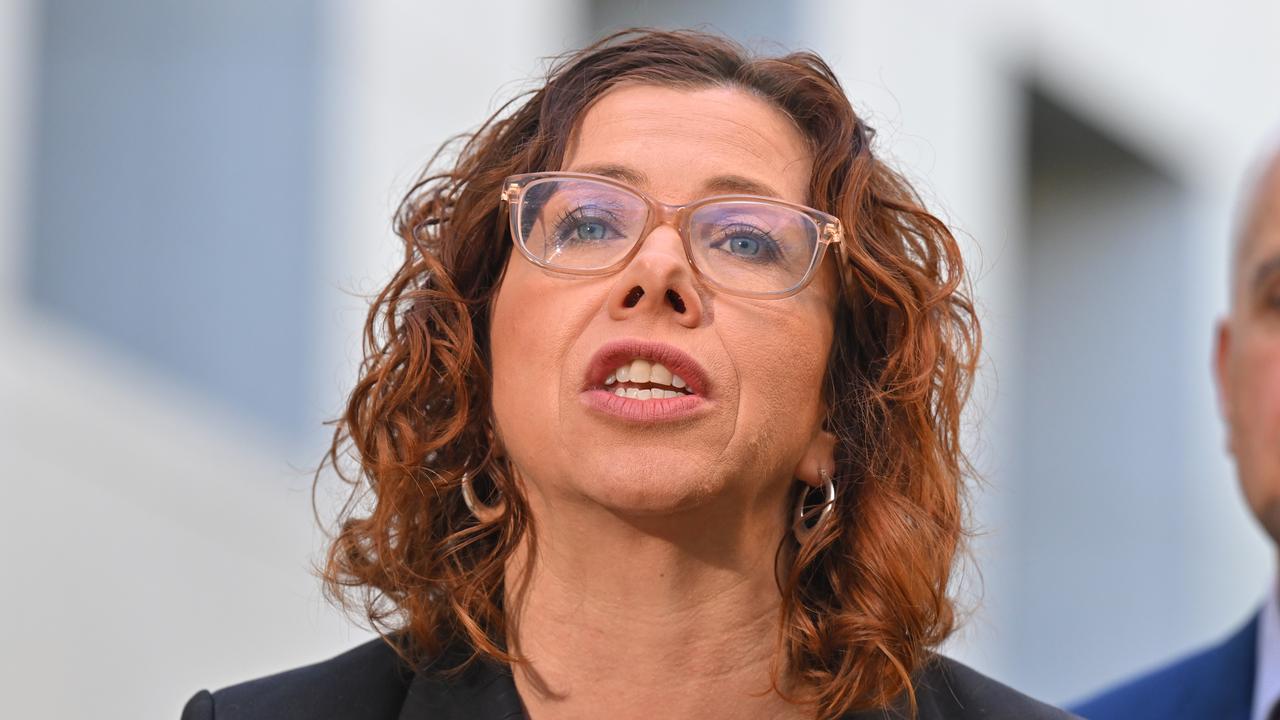
Ms Rishworth will use the speech to outline a three-tiered system for people who are dealing with Workforce Australia as they try to find a job.
Service Stream One will be the lightest touch: a digital service for people who are ready to work.
Under Service Stream Two, private providers will help participants build skills and confidence to return to the job market, while Service Stream Three is reserved for people with complex barriers to work who need intensive support.
She said the move will be a big change from the current approach where all job seekers are triaged in the same way.
“A one-size-fits-all approach, across all elements of Workforce Australia, is letting too many participants fall through the cracks and creating inefficiencies in the system,” Ms Rishworth will say in the speech.
She will also flag changes to mutual obligations, a requirement for job seekers to accept any work they are offered and attend interviews or training services.
“The second change is the introduction of effective, fair and proportionate mutual obligations, that are reflective of an individual’s distance from the labour market and are designed to actually help people get a suitable job,” Ms Rishworth will say.
But Antipoverty Centre spokesman Jay Coonan said keeping mutual obligations denied any meaningful change.
“This is like living in Groundhog Day. You can’t punish people into employment in an economy designed to keep at least four per cent of us unemployed,” he said.
“It’s not a major overhaul if you keep ‘mutual’ obligations in place. That’s punishment as usual.”
Greens government services spokeswoman Penny Allman-Payne said misery would continue for those in the employment system.
“These reforms aren’t a shake-up, they’re a screw-up,” she said.
“One million people have been waiting for years for Labor to reform John Howard’s employment services system so that it actually helps them find work and doesn’t coerce and punish them.
“But what they’ve discovered today is that Labor is continuing to prop up a system which punches down on welfare recipients.”
The mutual obligations system has been roundly criticised, including in two Commonwealth ombudsman’s reports which found the suspension of many people’s welfare payments for failing to meet their jobseeking requirements may have been unlawful.

The scheme is designed to ensure welfare recipients are actively searching for work, but advocates claim it punishes people who have complex needs and may struggle to find a job.
Ms Rishworth will flag further discussions with job seekers, employers, providers and communities as the government fleshes out its reforms.
The Community and Public Sector Union welcomed changes to the sector, but said they didn’t go far enough to overhaul privatisation.
The union’s national secretary Melissa Donnelly said outsourcing employment services had been a disaster for jobseekers.
“Today’s announcement is a step in the right direction, but risks not going far enough to fix a system that is fundamentally broken,” she said.
“Australian job seekers are sick of being lectured by flashy ‘entrepreneurs’ who are milking the government for hundreds of millions of dollars and providing a broken, profit-driven service in return.”