
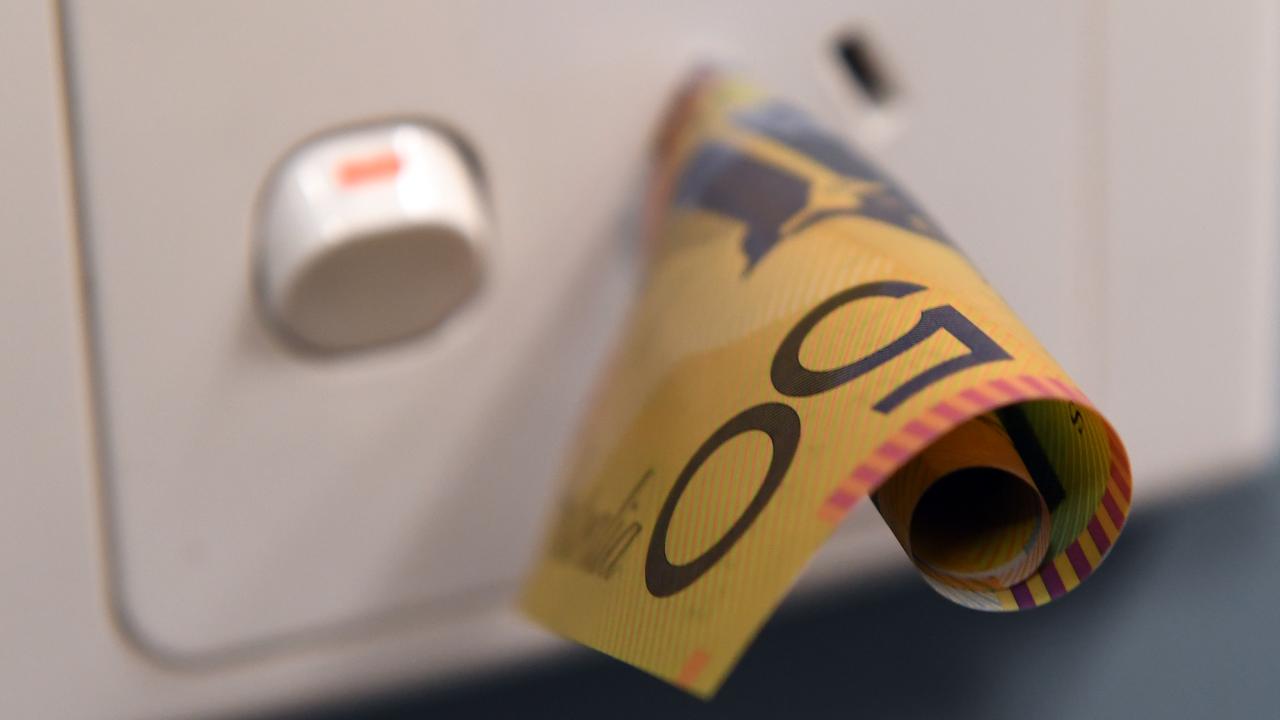
Hundreds of thousands of households will pay less for energy next financial year after a state regulator slashed the cap on standard electricity offers.
The average household on the Victorian Default Offer will pay $84 less than the year before after the Essential Services Commission unveiled the new cap on Monday to take effect from July 1.
Small businesses on the default offer will save an average of $241 in 2026/27 under the new settings.
The default offer is the maximum amount energy retailers can charge customers on a standing offer – a basic electricity contract for people who have not signed up to a market deal.
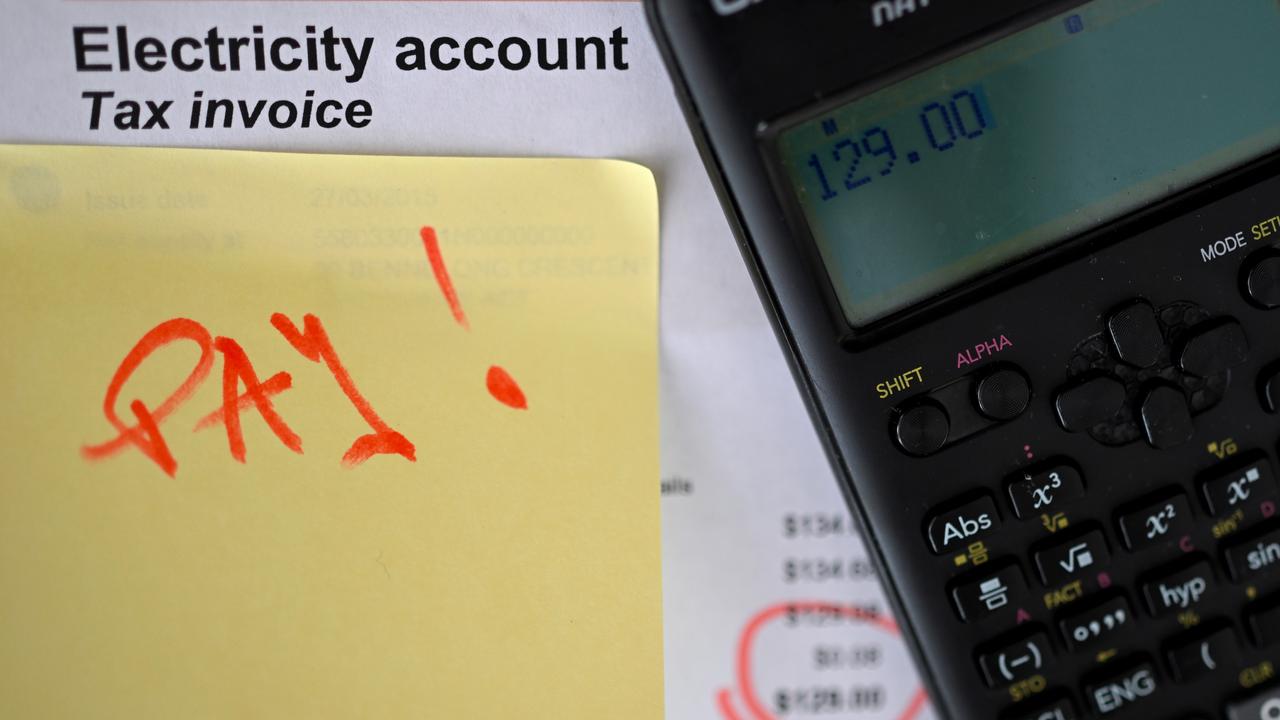
Most Victorians are on cheaper market offers rather than the default tariff, but it remains a safeguard for those unwilling or unable to shop around.
It also acts as a benchmark price across the wider market, with retailers required to compare their advertised offers against it.
About 512,000 Victorian households and 62,000 small businesses are currently on standing offers affected by the default offer.
Under the new announcement, the average household bill on a flat tariff will fall from $1675 to $1591, a reduction of about five per cent.
For small businesses, the average annual bill will fall from $3620 to $3380, or about six per cent.
The reductions are larger than those forecast in the regulator’s draft decision released in March.
Regional customers in the AusNet distribution area will receive the biggest cuts, with annual household bills dropping by $160 on average.
Lower environmental certificate costs, slightly cheaper wholesale electricity prices and reduced network charges for households drove the decrease, the commission said.
Victoria’s electricity market had remained relatively stable despite global fuel supply disruptions and international energy uncertainty, it added.
The default offer was now 14 per cent lower than the standing offer prices it replaced when introduced in 2019, the Victorian government said.
Energy Minister Lily D’Ambrosio said the cuts would provide relief during ongoing cost-of-living pressures.
“Labor is investing in the efficient, renewable energy that Victoria needs to make life cheaper for Victorians,” she said.
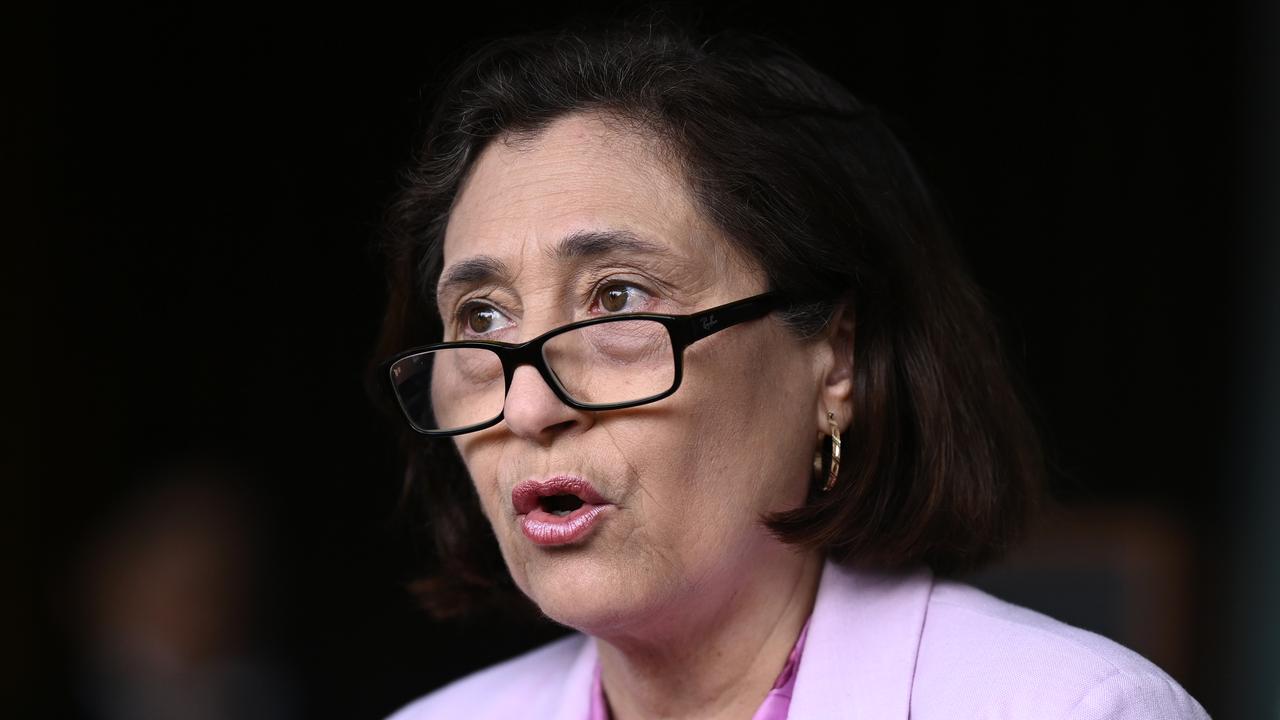
The state’s default electricity price remained lower than the benchmark used in other eastern states, she added.
However, NSW, South Australia and southeast Queensland on the national default offer can also expect significantly cheaper energy from July.
In March, the Australian Energy Regulator released a draft decision forecasting cuts of up to 10 per cent for some consumers due to lower wholesale and environmental costs.
The average household in NSW could pay $58 to $226 less than the year before, and bills could be roughly $216 lower in southeast Queensland.
A more modest $31 fall can be expected in South Australia.
Small businesses are in line for price drops between 7.6 per cent and 21.2 per cent, depending on the area.
The final national default offer will be released on Tuesday, before taking effect on July 1.