
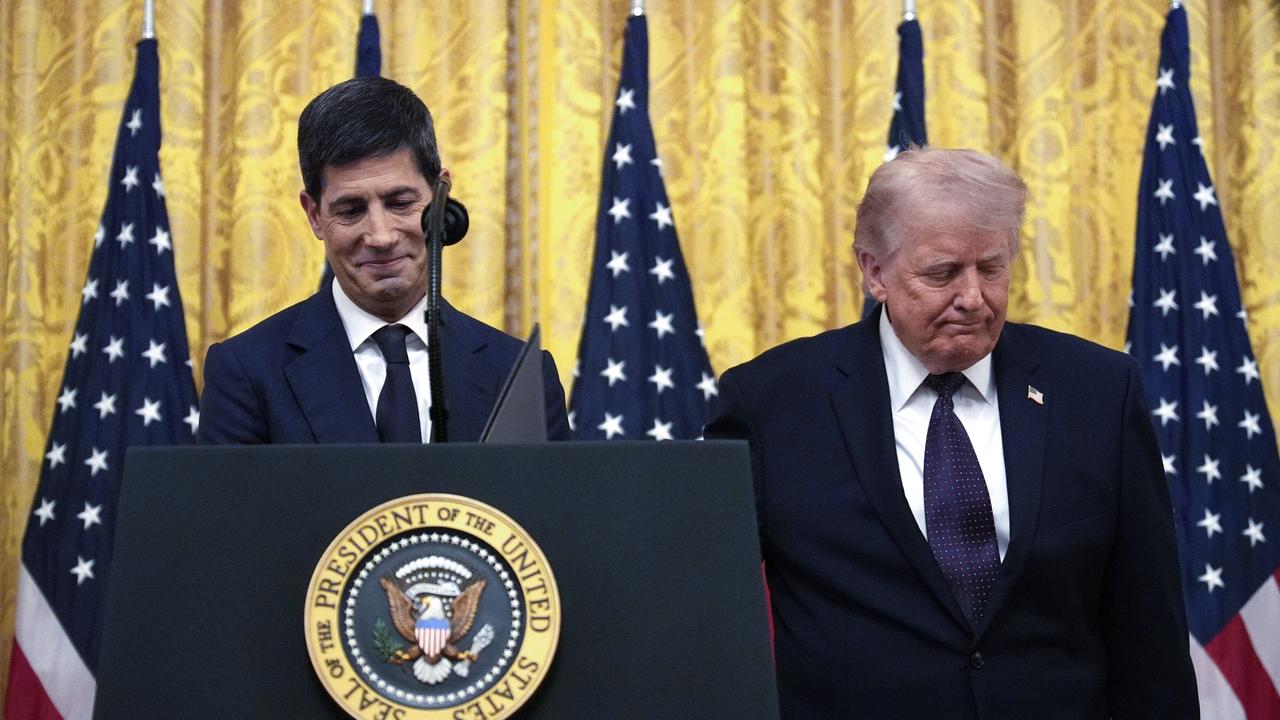
Kevin Warsh has been sworn in as the new head of the Federal Reserve, marking a new chapter after a strained relationship between the world’s most powerful central bank and US President Donald Trump.
Speaking after taking the oath of office at the White House, Warsh pledged to be “reform-oriented,” saying he would carry out his duties with “energy and purpose”.
He said the coming years could “bring unmatched prosperity that will raise living standards for Americans from all walks of life”.
Trump, who selected Warsh for the post, had repeatedly and unsuccessfully pushed for lower interest rates while criticising previous Fed chair Jerome Powell.
The president argues that lower borrowing costs would boost economic growth, investment and consumer spending but critics warn that cutting rates too aggressively could further fuel inflation.
Trump’s repeated criticism of the Fed had fuelled concerns about the political independence of the central bank.
“Thankfully, unlike some of his predecessors, Kevin understands that when the economy is booming, that’s a good thing,” Trump said.
Trump added that he and Warsh agreed the fight against inflation must not come at the expense of economic growth.
“He’s looking to deliver positive economic growth. It’s so important,” the president said.
He said Warsh would return the Fed to its core mission of ensuring price stability and full employment.
At the same time, Trump stressed the institution’s independence.
Addressing Warsh directly, Trump said: “Don’t look at me, don’t look at anybody, just do your own thing and do a great job.”
Warsh promised “to lead a reform-oriented Federal Reserve, learning from past successes and mistakes, both escaping static frameworks and models and upholding clear standards of integrity and performance”.
Interest rate decisions are made collectively by the Fed’s policy-making committee.
The Fed is mandated by Congress to operate independently of political influence.
In 2025, the Fed cut interest rates three times by 25 basis points each, citing concerns about the labour market.
It then paused at its first three meetings this year amid rising inflation linked to the war involving Iran.
with AP