
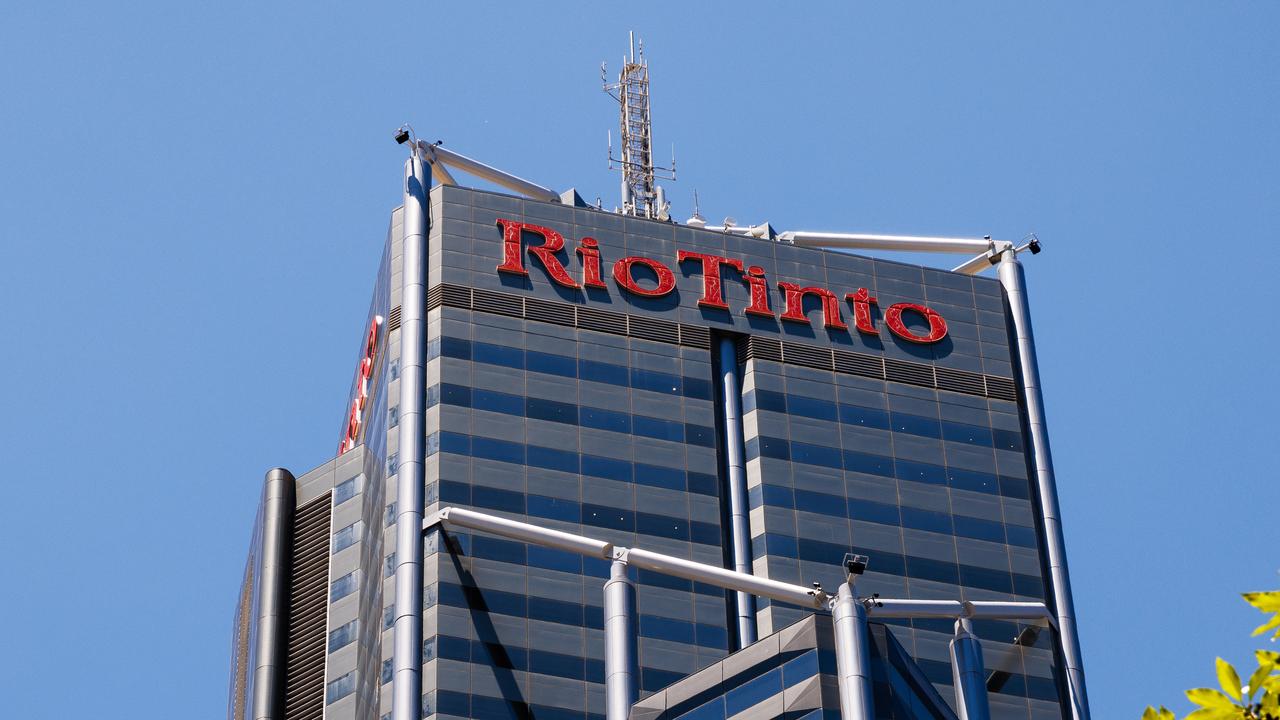
A sacred waterhole used for thousands of years by Aboriginal people in Western Australia has run dry for the first time in living memory, with the Robe River Kuruma Traditional Owners blaming years of unsustainable water pumping by Rio Tinto.
Robe River Kuruma, on whose land Rio Tinto operates an iron ore joint venture of the same name, attended Rio Tinto’s annual general meeting in Perth on Wednesday.
Robe River Kuruma representative Jason Masters said Rio Tinto’s over-extraction of water had caused irreparable damage to his traditional lands in the West Pilbara region, and asked Rio Tinto to curtail its water use.
“This is a place where my grandmother was born, a sacred permanent water pool that held water through every drought our old people can remember, now dry for the first time in living memory,” he said.
“Even after heavy rainfall from cyclone Narelle, it remains dry today,” he said, adding that old river gum trees fringing a nearby water system had died.
Rio Tinto and the state government are building a $1.1 million desalination plant due to start operating later in 2026 and eventually supply eight gigalitres of water annually, as part of plans to reduce water use.
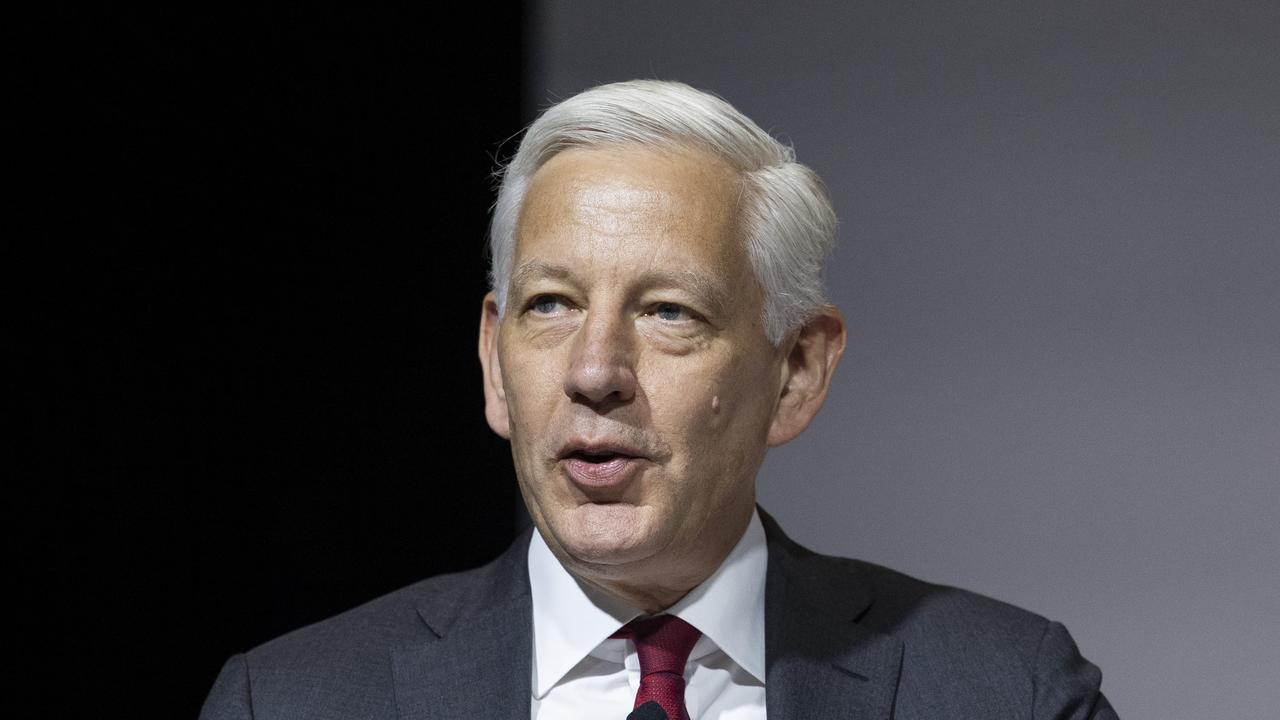
“We are doing everything we can to try to get water back into the system, and that is well under way,” Rio Tinto chairman Dominic Barton said.
“In terms of the irreversible impact and damage, we are very keen to discuss with you what we can do to help to deal with that.”
In March, Rio Tinto said the region had, in the past five years, frequently experienced annual rainfall and streamflow that were below the long-term average.
“This has reduced important groundwater recharge at the Millstream and Bungaroo aquifers, which supply the West Pilbara Water Supply Scheme,” it said.
Rio Tinto in 2020 destroyed a rock shelter sacred to Australia’s Puutu Kunti Kurrama and Pinikura people, which caused a broad public uproar and ultimately led to the departure of the CEO, chair and other executives.