
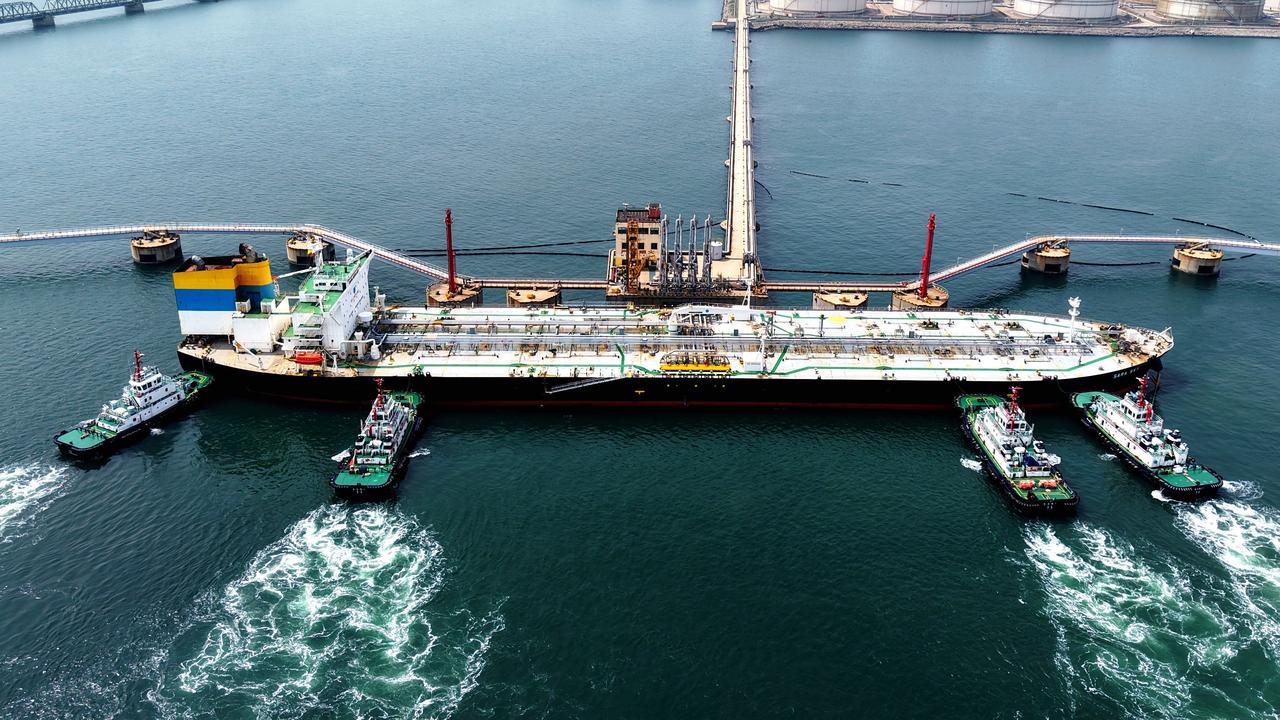
China’s top leadership is pledging to strengthen the nation’s energy security and respond to external shocks by continuing to pursue a policy of rapid technological development and greater control over supply chains to strengthen economic self-sufficiency.
The Politburo, a top decision-making body of the ruling Communist Party, was cited on Tuesday as saying by state news agency Xinhua that the economy got off to a better-than-expected start in 2026.
The Xinhua readout did not mention the US-Israeli war on Iran, but said: “We must systematically respond to external shocks and challenges, improve energy resource security guarantee levels and counter various uncertainties with the certainty of high-quality development.”
The phrase “high-quality development” refers to the pursuit of scientific and technological progress with the goal of moving China higher on the value-added ladder.
China’s economy grew five per cent in the first quarter, at the top of its full-year target range of 4.5 per cent to five per cent, showing higher resilience than most other economies to the energy and commodity shocks caused by the Iran war.
Analysts say ample oil reserves, heavy use of coal and high adoption of solar, wind and electric vehicles have given China better chances of weathering the closure of the Strait of Hormuz than many European or Asian economies.
But China is not immune to the fallout from the conflict.
Soaring energy and raw materials prices threaten to drive up production costs and squeeze already thin margins at factories that employ hundreds of millions of people.
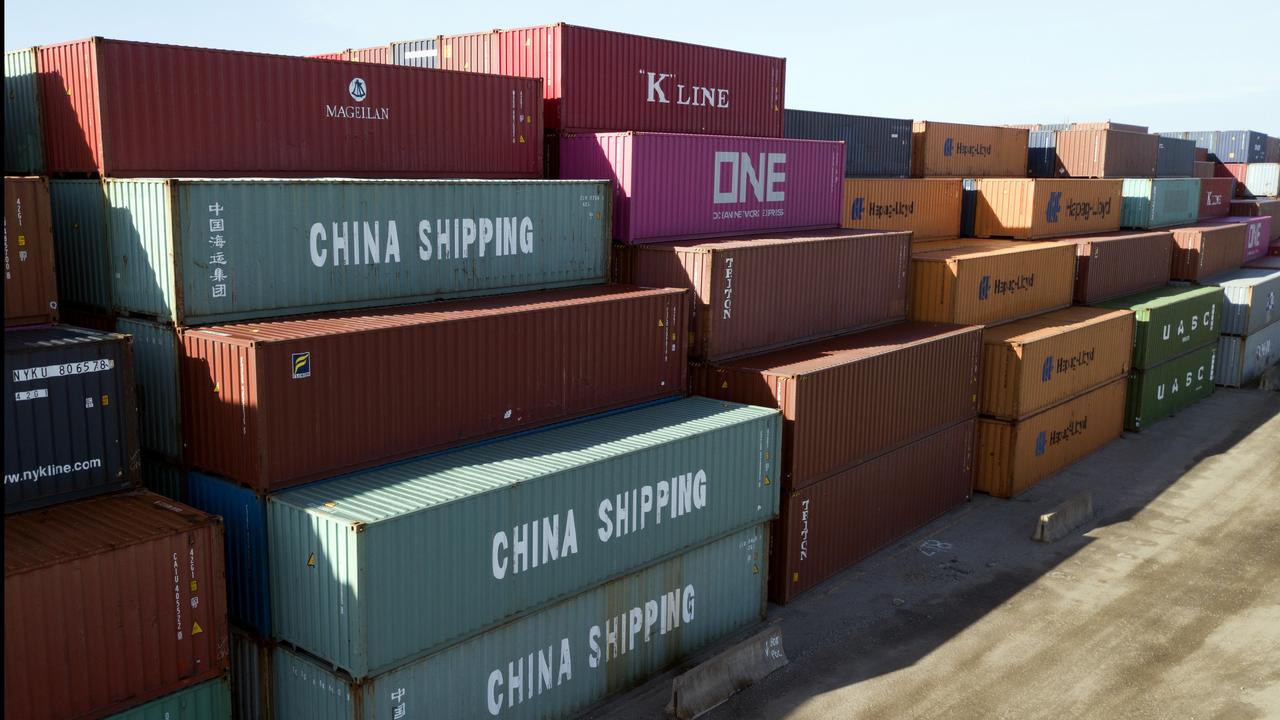
And the economic hit taken by other countries could slow demand for Chinese exports.
Shipments grew just 2.5 per cent in March, slowing sharply from 21.8 per cent in the January-February period.