
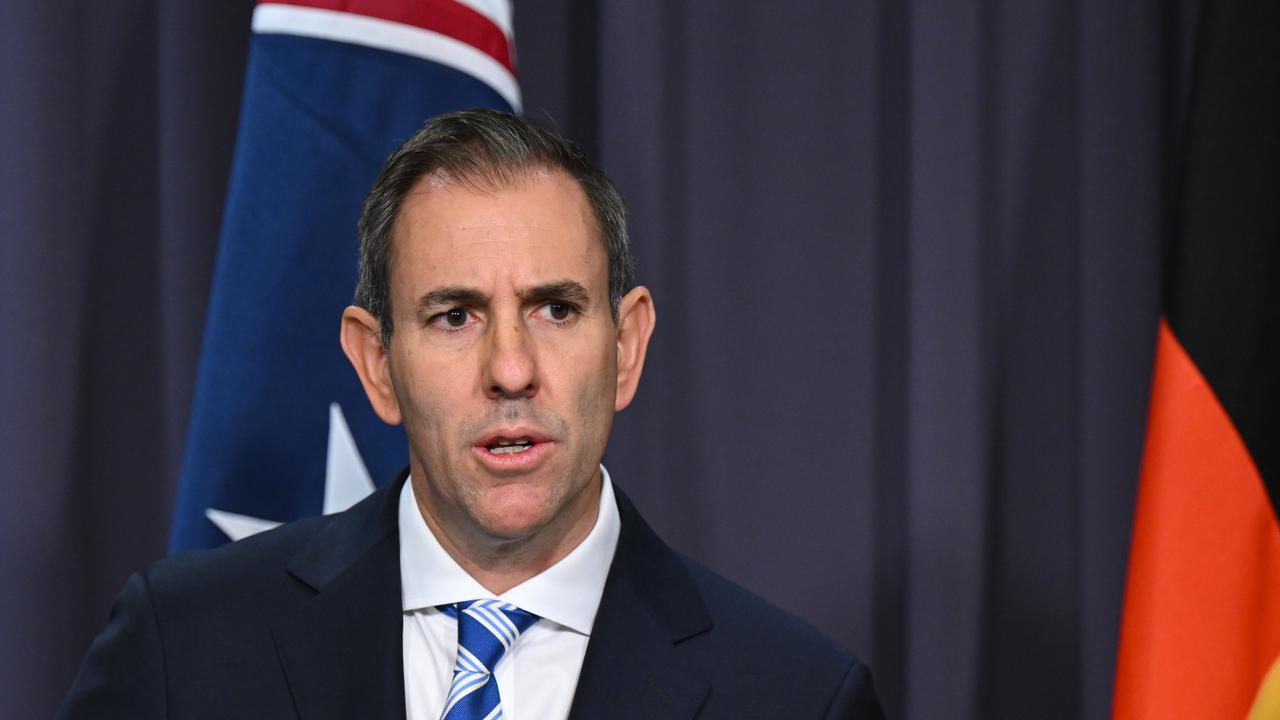
Australia and finance ministers from around the world have jointly called for peace in the Middle East to be upheld, warning of risks to the global economy should the shaky ceasefire collapse.
Treasurer Jim Chalmers and counterparts from 10 countries, including the United Kingdom, Japan, Sweden, the Netherlands and Finland have urged the US, Israel and Iran to abide by the ceasefire agreement struck last week.
“The past weeks have brought unacceptable loss of life and significant disruption to the global economy and financial markets,” the statement reads.
“The ceasefire will be crucial to protecting civilian populations and the security of the region.”
The countries called for a swift and lasting resolution to the conflict and a return to free and safe transit through the Strait of Hormuz, which has remained shut since the US-Israeli strikes launched on Iran in February.
“Renewed hostilities, a widening of the conflict or continued disruption in the Strait of Hormuz would pose serious additional risks to global energy security, supply chains and economic and financial stability,” the statement says.
It warns impacts on growth, inflation and markets will persist beyond the conflict’s resolution.
Finance ministers from Spain, Norway, Ireland, Poland and New Zealand also signed the statement.
The governments also reaffirmed their commitment to “accelerate long-term energy diversification”, including through clean energy transition.
“We welcome any steps countries may take to achieve these objectives,” the statement says.
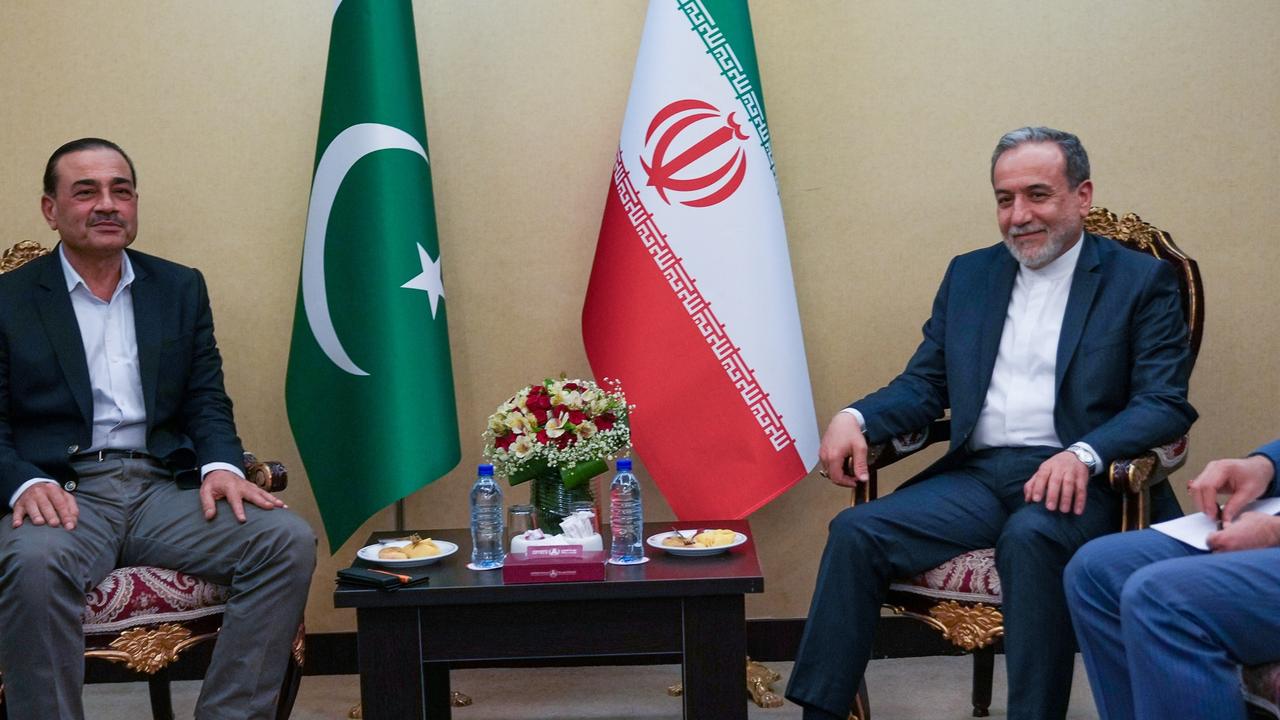
Pakistan’s army chief is in Tehran to continue mediation efforts as the US and Iran continue indirect talks aimed at extending the two-week ceasefire beyond its April 22 expiry date.
Dr Chalmers is in Washington, DC, discussing the economic maelstrom with the International Monetary Fund and World Bank.
The joint statement welcomed any co-ordination between those organisations, as well as the International Energy Agency, to develop a “shared assessment of global economic impacts”.
“We call on the IMF and World Bank to provide a co-ordinated emergency support offer for countries in need, tailored to country circumstances and drawing on the full range and flexibility of their toolkits,” it said.
Dr Chalmers said an end to the war could not come soon enough, as it was a “dangerous” time for the global economy.
“Australians are paying a hefty price for events on the other side of the world,” he said in a statement.