

Australians are taking expired medication, skipping doses or opting to delay or not fill a prescription as the cost of living eats into their medicine cabinets.
The federal government has tried to tackle the issue by bringing down the maximum price for prescription drugs listed on its subsidy scheme to $25.
While that is said to save taxpayers more than $1 billion, 43 per cent of Australians have been prescribed medicines not subsidised, a survey commissioned by the McKell Institute has found.
As a result, almost one in five people said they could not afford medicines not listed on the Pharmaceutical Benefits Scheme.

About one in four people prescribed medicines outside the scheme said they do not buy the medications, around a third delayed purchases, while 16 per cent were forced to go without essentials to afford them.
Overall, more than one in five of those surveyed said they had delayed filling a prescription due to cost and 18 per cent did not fill it at all.
Some 15 per cent skipped a dose to make it last longer, and 12 per cent reported taking expired medication rather than filling and paying for a new scripts.
“They have to make a really hard decision between food and medicine, between something for their family or for themselves,” McKell Institute chief executive Edward Cavanough told AAP.
“It’s a bit of a wake-up call.”
Part of the problem is Australia’s slow PBS listing process.
In 2022, it took 391 days for a prescription medicine to go from being approved for use to being included on Australia’s subsidy scheme.
By comparison, it took 101 days in Japan, 121 days in Germany and 167 days in the UK.
This has worsened in recent years, widening to more than 600 days by 2025.
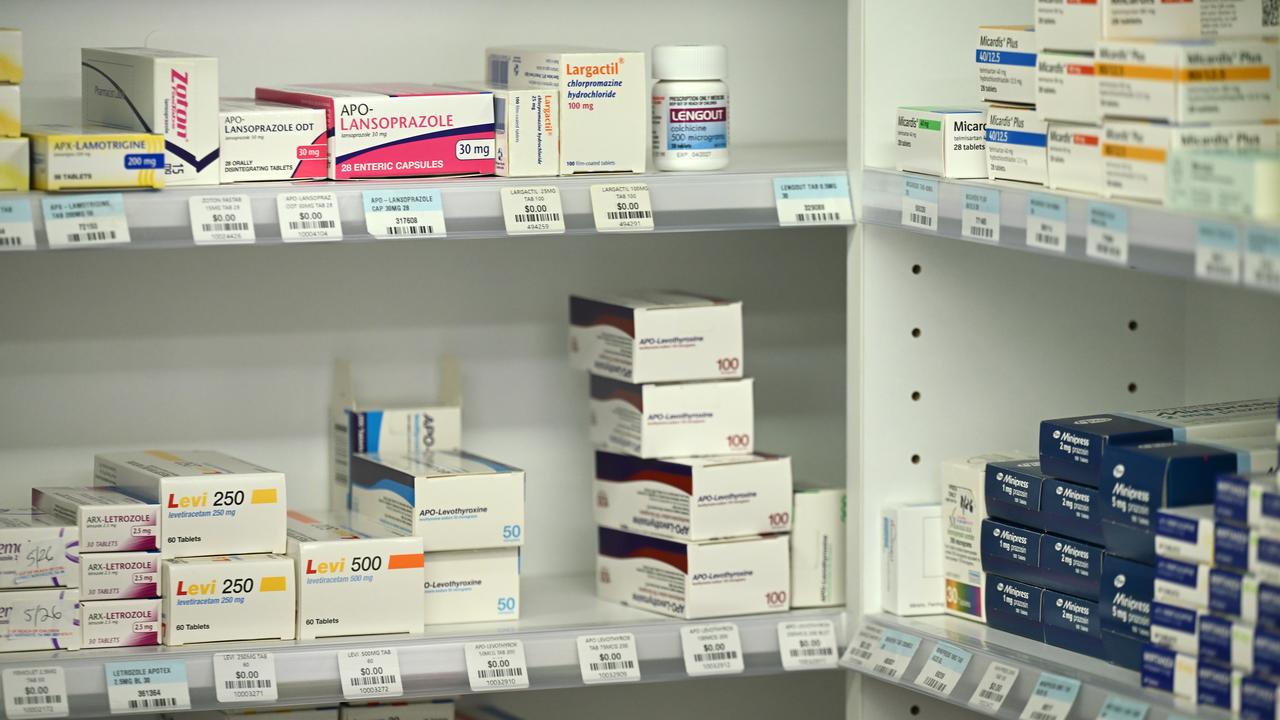
“We also have this flood of new and innovative medicines being approved,” Mr Cavanough said.
“It’s a really positive thing to be able to capitalise on the benefits of that.
“(But) the PBS can’t keep up.”
The government has reduced the maximum price on prescription medication multiple times since coming to office, with the PBS continually held up as a beacon of health policy by Australia’s major political players
Announcing a drug used to treat cerebral palsy was being added to the scheme on Friday, Health Minister Mark Butler again backed in the system.
“The expanded PBS listing is part of the Albanese government’s commitment to make medicines cheaper and more accessible for all Australians,” he said.