

Minutes from the Reserve Bank’s March cash rate meeting should prove interesting reading.
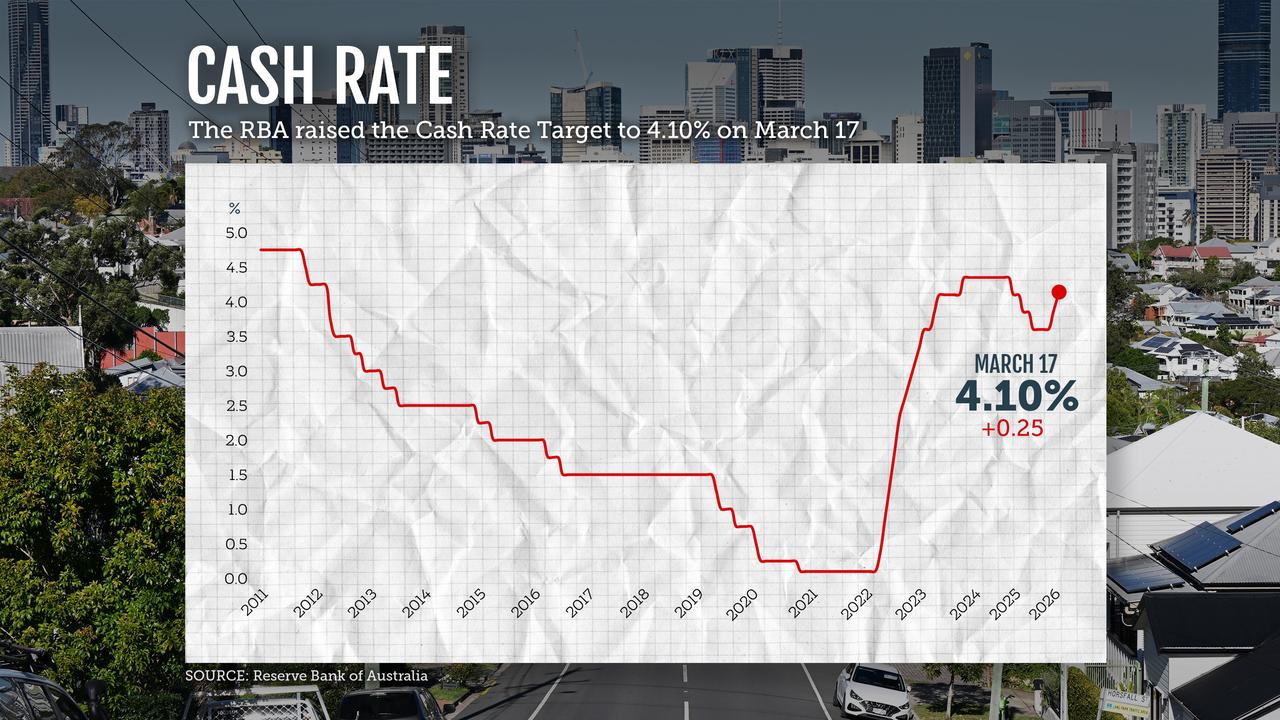
The 5-4 split by its monetary policy board in favour of a 25-basis point hike was the narrowest since the RBA started publishing unattributed votes in July 2025.
Governor Michele Bullock has already revealed what was behind the division.
“All members agreed another rate increase was needed to address domestic inflationary pressures,” she told reporters after the meeting on March 17.
The difference in opinion came down to timing, she said.
The five hawks, who ultimately got their way, argued that the global energy shock caused by the Middle East conflict would only worsen inflation that was already too high.
Inflation expectations were already rising and needed to be quickly got on top of, or they risked becoming unanchored.
But the four doves argued it would be wiser to wait and see until May, given all the uncertainty.
“This would have given us an opportunity to consider more data on inflation and the labour market,” Ms Bullock said.
“And it would also have perhaps provided a bit more clarity on the potential impact of the conflict in the Middle East.”
While that much is known, the meeting minutes, to be released on Tuesday, could provide more insight into how likely another increase will be in May.
“Of most interest will be elements that shed light on any potential terminal level for the cash rate and the arguments for and against the March tightening,” economists from ANZ Bank said.
The four dissenters may have agreed another hike was needed, albeit in May rather than March, but now that it’s flowing through the economy, will they be satisfied the job is done for now?
If so, all they need is one more hawk to flip to scupper another hike in May.
They may be convinced that the longer the war drags on, the greater it will push down on economic growth, threatening the other side of the bank’s dual mandate.
“There is a risk some board members weight the downside risks to jobs and unemployment more heavily, leading to less tightening,” economists from Commonwealth Bank said.
Markets have scaled back bets for a May rate rise in the days since the last meeting but are still pricing the chance of a hike at more than two thirds.
One thing the RBA board will be keeping a close eye on ahead of its next meeting will be the labour market.
Ms Bullock said there was general agreement the jobs market was in a much better place than the board previously thought, tipping the risks more towards the inflation side of the mandate than the employment side.
Job vacancy data, to be released on Thursday by the Australian Bureau of Statistics, will therefore be closely watched for signs of a pick-up in labour demand, said National Australia Bank economists Jessie Cameron and Josh Copeland.
The ABS will also release February building approvals figures on Wednesday.
ANZ expects a six per cent increase following a 7.2 per cent fall in January.
Meanwhile, the risk appetite of Wall Street investors understandably remains damp thanks to the Middle East conflict.
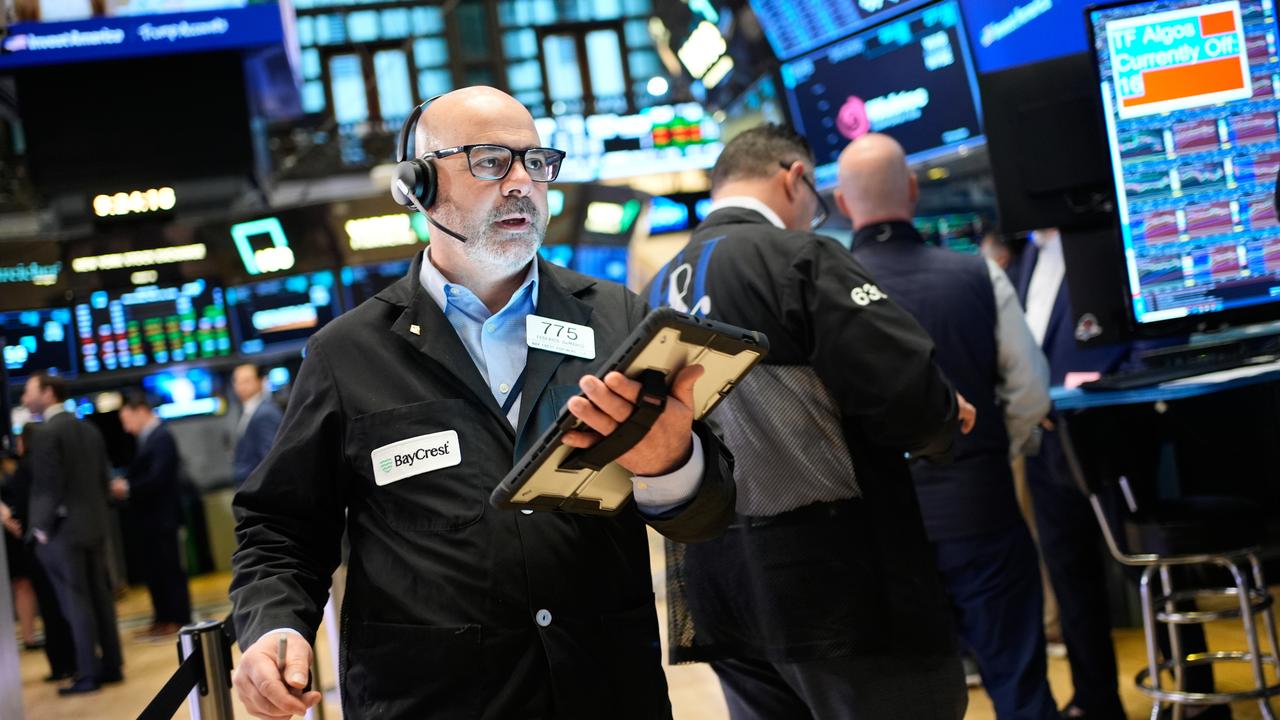
Each of the three major US indexes closed on Saturday Australian time at their lowest levels in more than seven months.
The Dow Jones fell 793.47 points, or 1.73 per cent, to 45,166.64, the S&P 500 lost 108.31 points, or 1.67 per cent, to 6,368.85 and the Nasdaq tumbled 459.72 points, or 2.15 per cent, to 20,948.36.
Australian share futures dipped 65 points, or 0.76 per cent, to 14,263.
The S&P/ASX fell 9.4 points on Friday, down 0.11 per cent, to 8,516.3, as the broader All Ordinaries lost 13.7 points, or 0.16 per cent, to 8,712.8.