
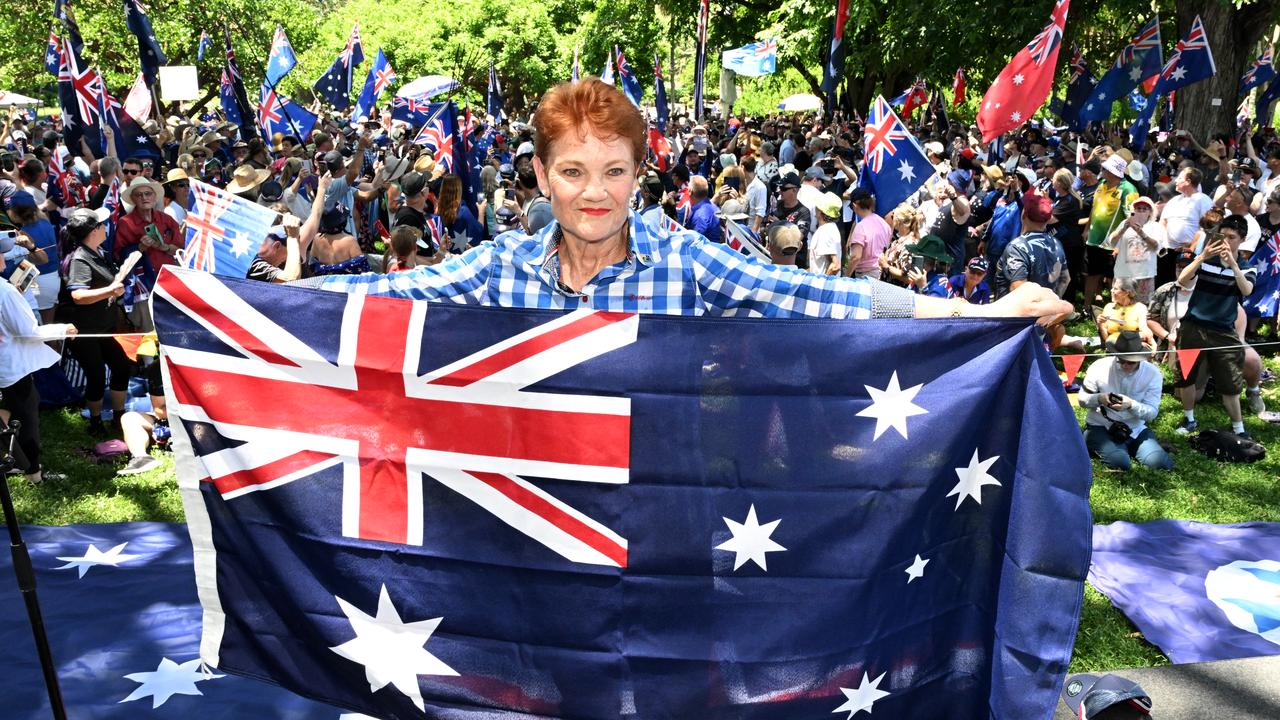
One Nation has completed its arrival as a political force despite failing to win more than a handful of seats at the South Australian election, analysts say.
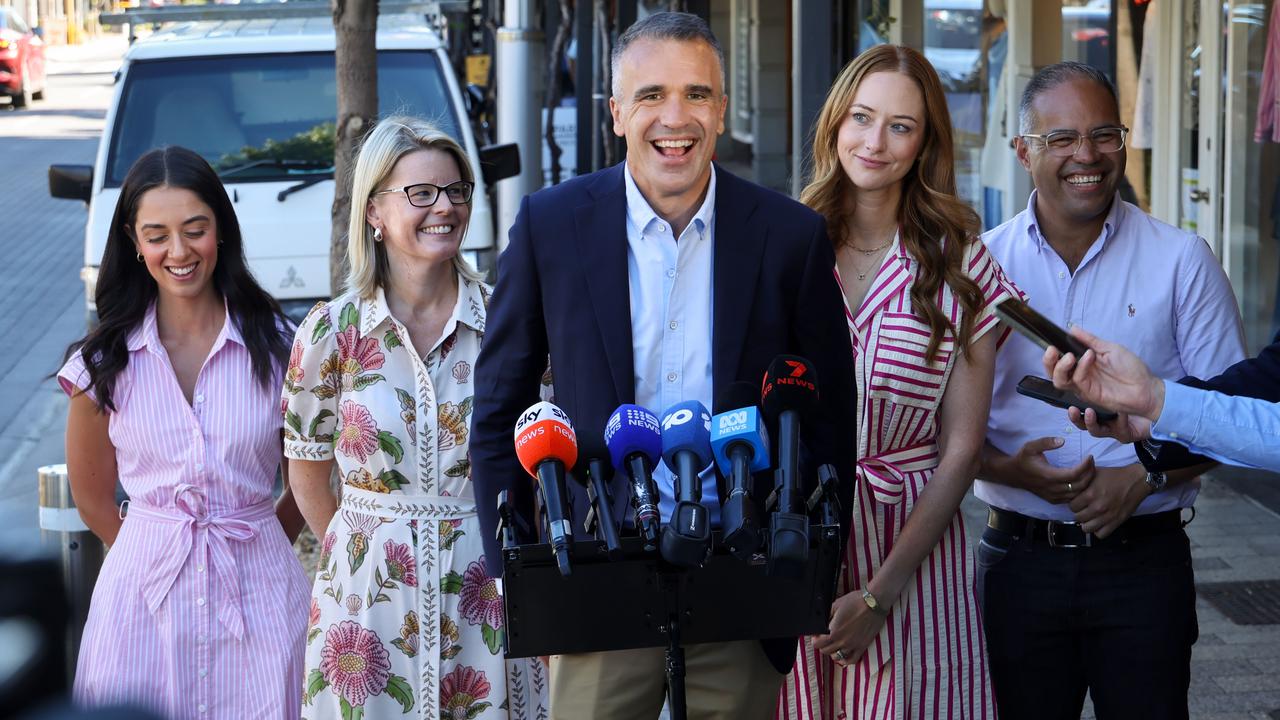
The Peter Malinauskas-led Labor eased back into power in the weekend poll, but it was the anti-immigration party that hogged the headlines after beating the Liberals to second place with 22 per cent of the primary vote.
With more than 60 per cent of ballots counted on Sunday, One Nation was expected to win at least one lower-house seat and could snatch as many as four.
But experts said the meagre return in the 47-seat state parliament did not capture the magnitude of the result.
Redbridge Group director and former Victorian Labor strategist Kos Samaras said the vote suggested One Nation’s high polling across other jurisdictions, including federally, was accurate.
“We knew they were going to destabilise the market, but if you were to grab what happened in South Australia, put it in Victoria, NSW and Queensland, they win more state seats there,” he told AAP.
“SA, being a state that normally should not favour a political movement like One Nation, has now shone a great big light on the reality that what we’re seeing in the polling numbers across the country is indeed more than protest.”
That Opposition Leader Ashton Hurn celebrated her party’s apparent survival summed up the Liberal Party’s increasing irrelevance, Flinders University public-policy lecturer Josh Sunman said.
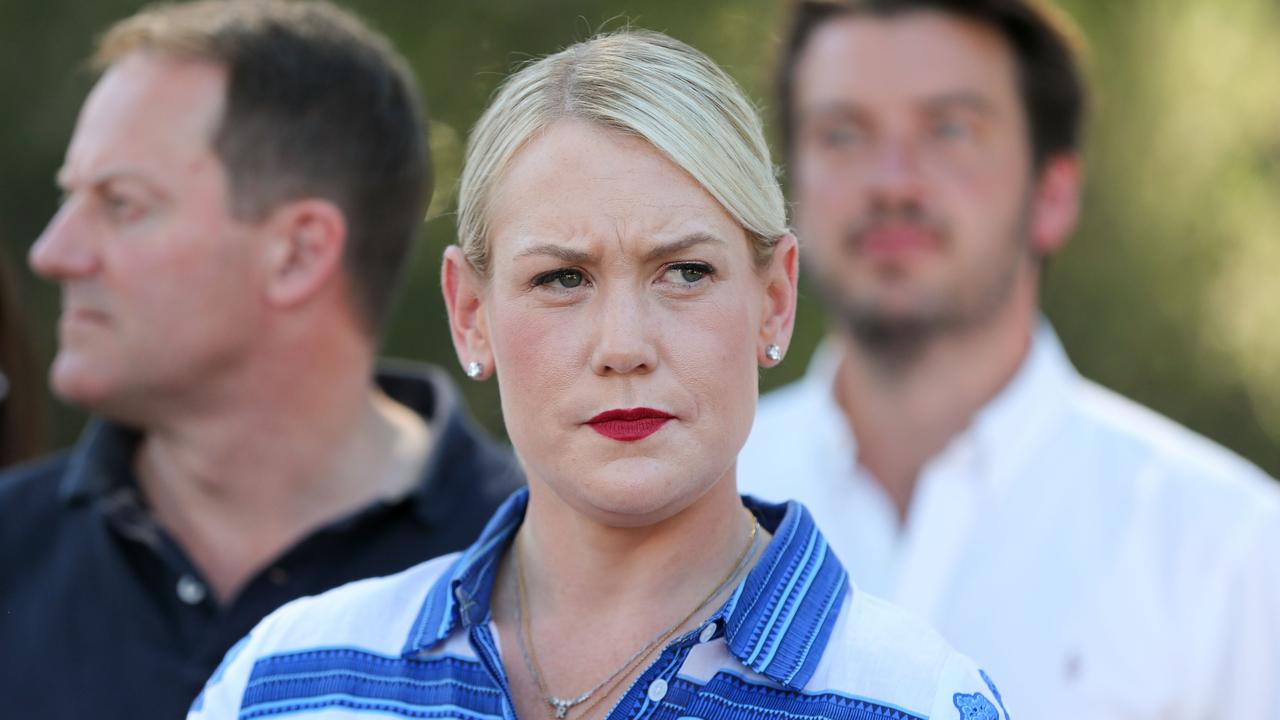
Shifting to the right to tackle One Nation remained the Liberals’ most likely move, he said.
“They need to stop haemorrhaging primary votes to One Nation as first order of business before they can turn to winning moderates in cities or government,” Mr Sunman told AAP.
“You’ve got to put out the fire in your own house before you go fighting them elsewhere.”
Meanwhile, the premier’s “inclusive patriotism” victory-speech references perhaps signalled his – and federal Labor’s – likely approach to One Nation.
“It’ll be interesting to see if the federal government, who of course actually control issues like migration, are going to adopt similar stances and directly take on One Nation, rather than just treating it as a problem for the Liberal Party,” Mr Sunam said.
A recent Newspoll put One Nation support at 27 per cent nationally, behind Labor but well ahead of the coalition.