
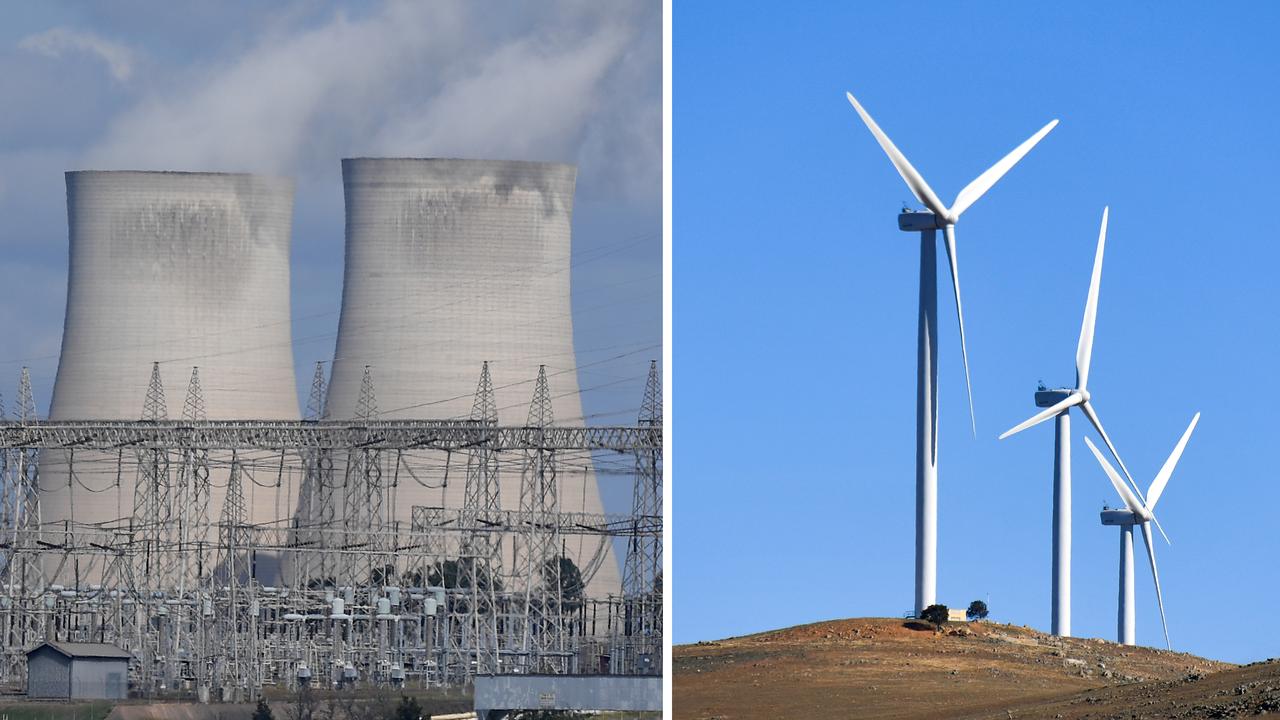
The shuttering of a Western Australian lithium refinery after just four years should serve as a warning as China pumps more than A$160 billion into overseas critical minerals and metals endeavours.
US company Albemarle shut up shop at its South West lithium refinery in February, citing its struggle to compete with China’s low-cost production.
Climate Energy Finance director Tim Buckley said its closure was a consequence of China’s strategic diversification to boost critical minerals and clean tech capacity.
“That is a serious problem,” he told AAP.
“We will stay a dig and ship country if we can’t actually get other countries to value the geopolitical stability that we offer.”
Mr Buckley has co-authored a report on China’s evolving strategy to entrench its dominance in lithium, copper, nickel, rare earths and other elements of the low carbon supply chain.
The Asian powerhouse has invested heavily in domestic mining and manufacturing capacity as well as launched a comprehensive foreign investment strategy targeted at the Global South.
Moving beyond the extractive mega-projects of the past, China is investing in smaller, high-tech manufacturing facilities offshore to secure long-term access to materials.
The massive $160 billion total outbound investment tracked by the think tank represents China’s strategic move to dampen its over-reliance on a few key export markets, including Australia.
As well, little of China’s overseas spending is landing in Australia, with a 85 per cent collapse in foreign direct investment since 2018 identified by consultancy KPMG.
Mr Buckley said Australia needed to adapt quickly to China’s reshaping of the green economic geography.
“It is imperative that we act now to shift these dynamics in Australia’s favour to become a renewables-powered mining and value-adding superpower or risk remaining on the sidelines as the world’s quarry in the new global economy,” he said.
In the absence of a strong international carbon pricing signal to bolster greener manufacturing, Mr Buckley says Australia should be doubling down on “green energy statecraft”.
This involves trade arrangements and strategic investments that help key trade partners meet Paris climate commitments while securing a higher green premium for Australian processed goods.
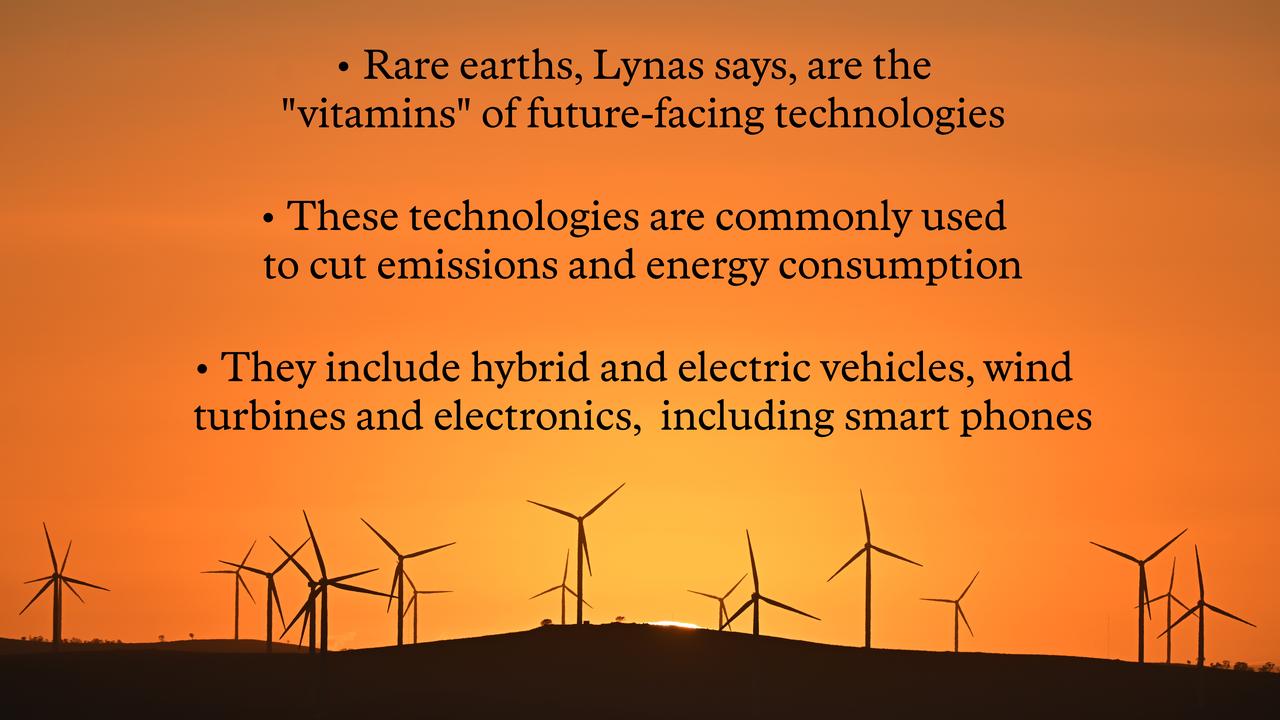
The agreement between Australia’s Lynas Rare Earths and Japan to supply rare earth long-term at a guaranteed floor price was held up as a “perfect example” of green energy statecraft.
Australia should also be looking for opportunities carefully and selectively engage China – still its biggest trading partner – on green partnerships before the diversification away becomes more pronounced.
The $81 billion in federal capital support under ‘future made in Australia’ was described as “directionally correct” but insufficient without a carbon pricing signal to entice private money.
The think tank recommends Australia work toward an explicit, whole-of-economy carbon price and leverage Energy Minister Chris Bowen’s COP31 presidency to push for a regional Asian carbon border adjustment mechanism.