
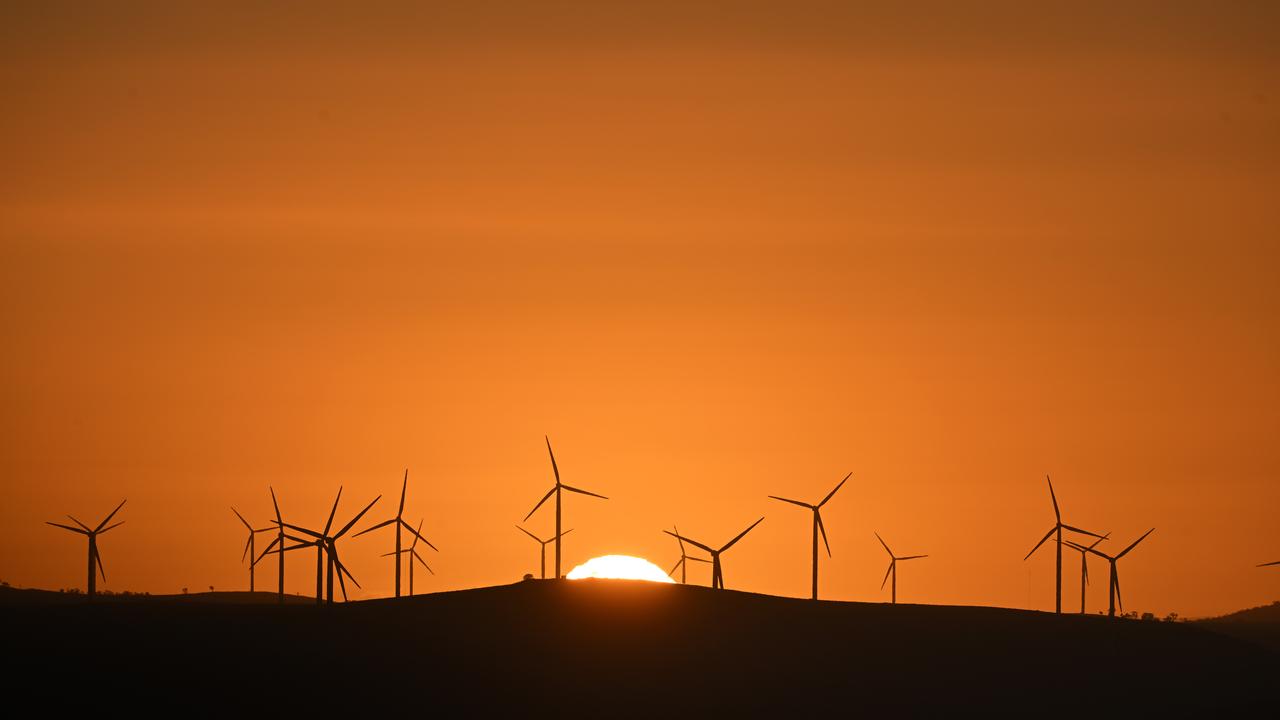
Unions and green groups want data centres to meet their enormous power needs by building more renewable energy capacity.
Providing mandatory apprentice training to prevent a workforce drain and responsibly using water supplies also feature in the eight-point plan endorsed by the Electrical Trade Union, the Australian Conservation Foundation, the Clean Energy Council and other groups.
Their requests have been put to the federal government ahead of data centre development guidelines on energy, water and other matters that are anticipated to be released within weeks.
Australia has become a preferred destination to host the AI boom but questions have been levelled at the sizeable energy and water usage needed for the computing power.
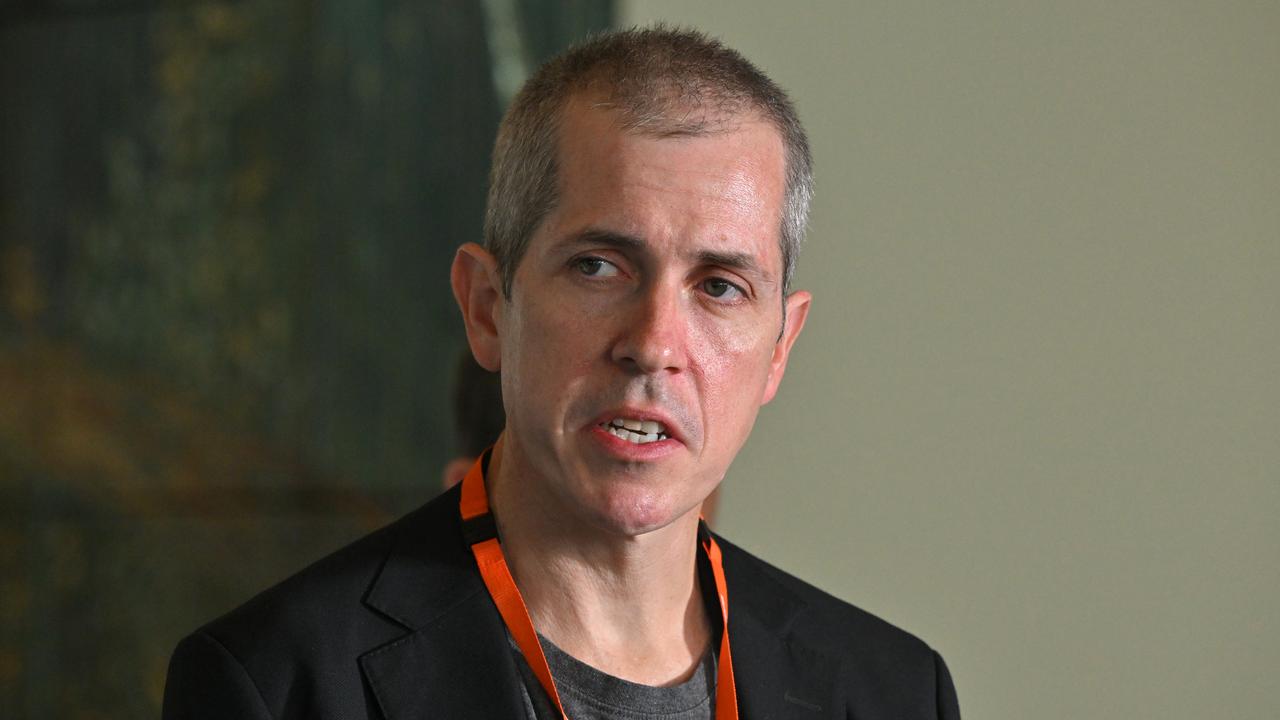
Without the right policy settings, data centres risked “siphoning” skills from national priorities like housing and the energy transition, ETU national secretary Michael Wright said.
“Australia needs tens of thousands more electrical workers to wire our nation into the 21st century – including by building data centres,” Mr Wright said.
To protect the grid, the plan demands data centres be powered by 100 per cent additional renewable energy.
Demand is expected to balloon from 1.35 gigawatts now to between 5-8 GW by 2035 on projections prepared in a Clean Energy Finance Corporation and Baringa report.
New approvals should come with clear community benefits, Climate Energy Finance director Tim Buckley said.
“After all, the data centres can only be built leveraging the existing publicly funded water and grid infrastructure we have all paid for,” Mr Buckley said.

Climate and Energy Minister Chris Bowen said data centres should be building new solar and wind capacity and have “flexibility and redundancy” built in to protect the network.
“People who are building data centres do need to build new energy to go with it, and that energy will be renewable,” he told reporters on Wednesday.
State and federal energy ministers were “of the same mind” and updates on the matter could be expected in May, he said.
The plan prepared by the Carbon Zero Initiative says that without the right policy architecture, the extra electricity demand could push up power prices, undermine national climate goals, and slow the development of emerging green industries.
“Clear guardrails now will benefit households, communities and the grid,” the initiative’s project lead Alexander Hoysted said.