
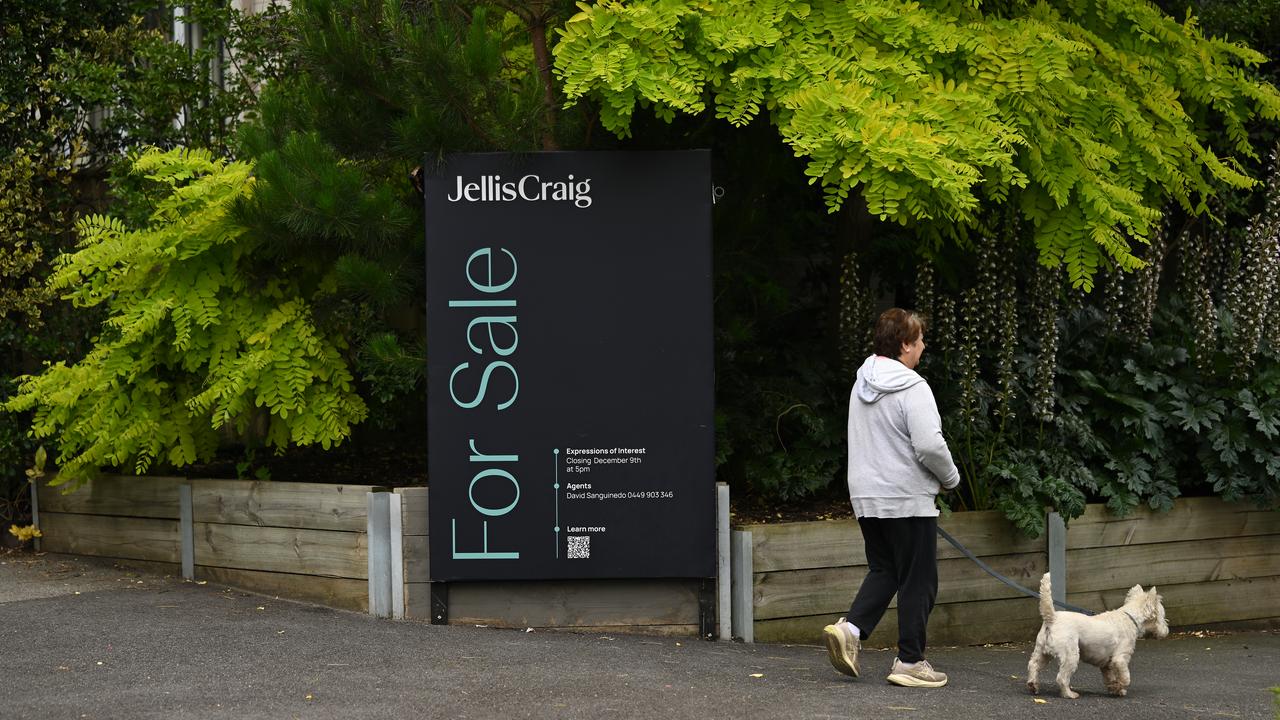
Borrowers are running out of time to lock in a mortgage rate below five per cent, as lenders prepare for a Reserve Bank interest rate hike.
As the RBA rate-setting board starts its first two-day meeting of the year, the majority of economists and money markets expect the central bank to lift the cash rate to 3.85 per cent when it emerges on Tuesday.
That would cause home loan rates under five per cent to disappear, data insights director at financial comparison site Canstar, Sally Tindall, said.
Since the last rate cut in August, a resurgence in inflation has caused a dramatic turnaround in market expectations.
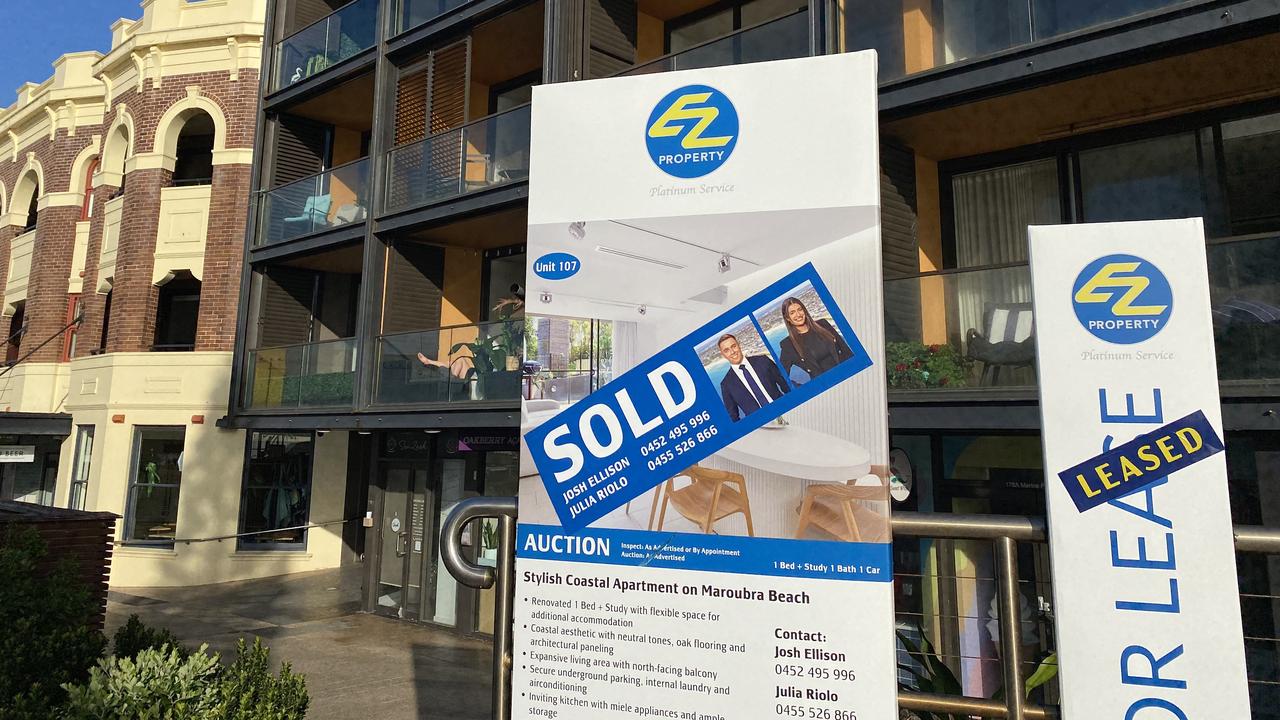
From pricing in two more rate cuts, traders are now betting on two rate hikes by the end of 2026.
Lenders have followed suit, with 60 hiking at least one fixed rate since the last RBA meeting in December, Canstar rate tracking shows.
“There are now just six lenders offering fixed rates under five per cent,” Ms Tindall said.
“A February hike would almost certainly close the door on the last remaining options.”
A 25-basis-point rate rise would add $150 in monthly repayments to a $1 million mortgage, or $1800 a year, assuming it is fully passed on by the banks.
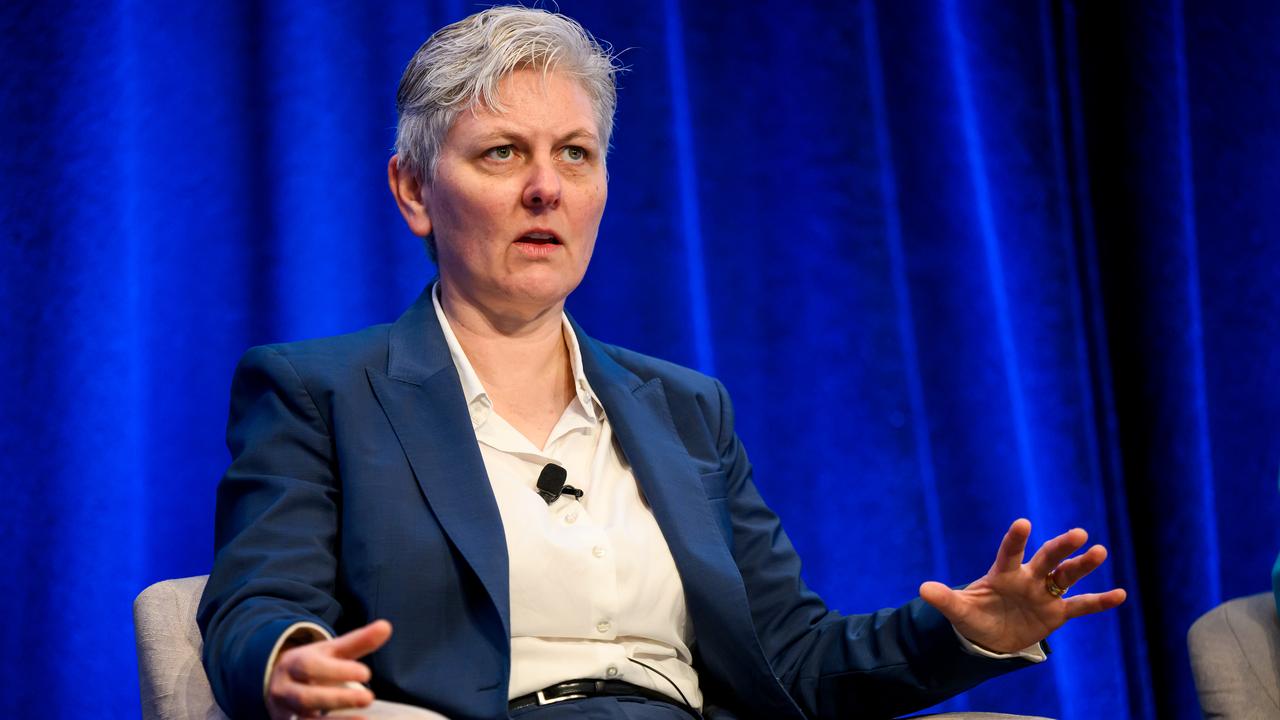
But a hike is not fully guaranteed, Westpac chief economist Luci Ellis said.
While the former RBA assistant governor expects the central bank to raise rates, there is a chance the board opts to wait a little bit longer.
There is a case to be made that data shows inflation is not moving further away from target and there are also arguments to be cautious given the Australian Bureau of Statistics’ new monthly measure has made inflation harder to interpret, she said.
However, HSBC chief economist Paul Bloxham says the case to hike is a strong one.
“By not having hiked as much, and not having delivered as big a downturn, it seems the RBA should have held its cash rate higher for a bit longer,” he said in a research note.
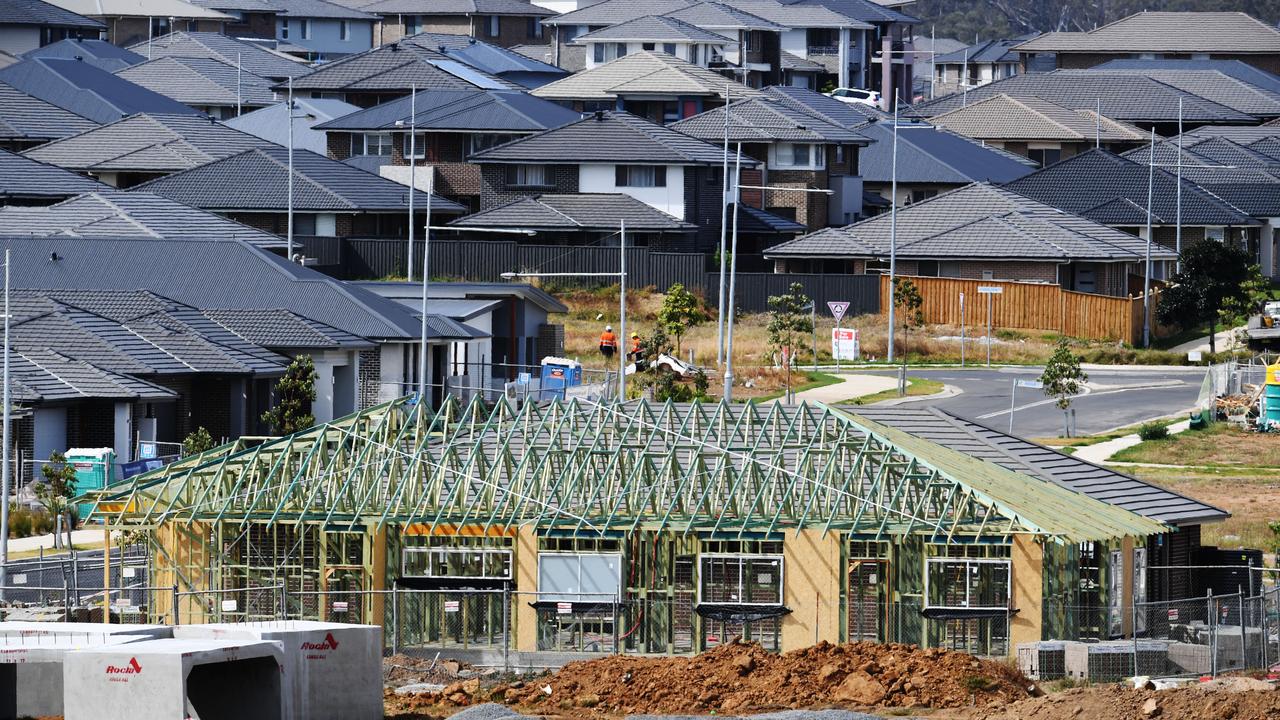
The RBA cut rates too soon and too far because of two false assumptions, he said.
First, the RBA assumed Australia could sustain a higher growth rate without contributing to inflation because its productivity growth assumption was overly optimistic.
Second, the RBA had too much faith in Treasury forecasts and was blindsided when government spending came in much higher than forecast.
The government’s mid-year fiscal update in December showed the biggest upside surprise to spending in decades, with public expenditure over four years expected to be 1.7 per cent of GDP higher than forecast in April – a “macroeconomically significant” upside surprise.