

Australia is set for longer, higher inflation, an influential global economic body has remarked, as it warns of a “prolonged correction” if the AI bubble bursts.
The International Monetary Fund’s forecast for Australia’s economic growth was unchanged in its latest World Economic Outlook update, released on Monday night AEDT.
The Brussels-based organisation still expects Australia’s gross domestic product to grow by 2.1 per cent this calendar year and 2.2 per cent in 2027, but noted it is “projected to see some drawn-out persistence in above-target inflation”.
Australia’s headline inflation rate is currently 3.4 per cent – above the Reserve Bank’s two to three per cent target band – and Treasury estimates it will remain above target until at least June.
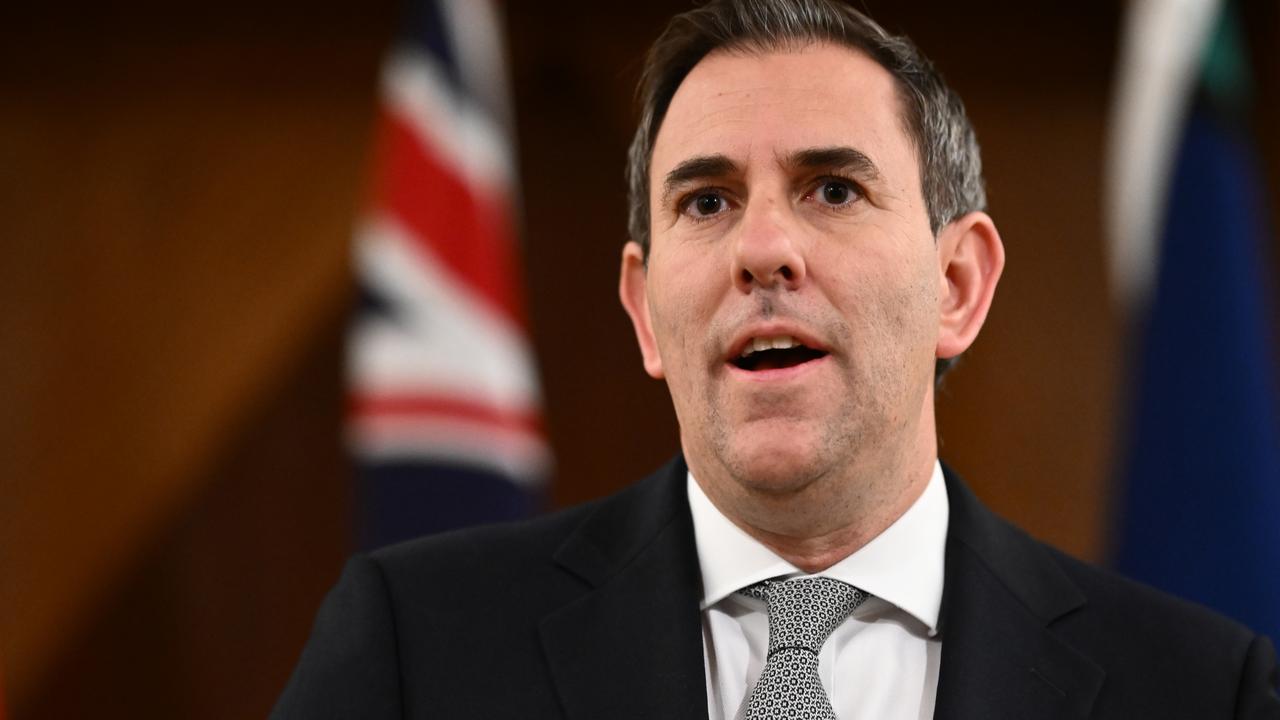
“The global economy is incredibly uncertain, with persistently high inflation still a challenge for many countries around the world, and that’s reflected in this report,” Treasurer Jim Chalmers said.
Despite the challenges of persistent inflation, global growth has shown notable resilience to US President Donald Trump’s tariffs, IMF economists Tobias Adrian and Pierre-Olivier Gourinchas said.
But that resilience could be put to the test if AI optimism is pierced by disappointing outcomes, “and a more prolonged correction in stock market valuations – which have increasingly been lifted by only a few technology firms – could ensue”.
That would trigger a costly reallocation of capital and labour and a decline in business dynamism, the report said.
Negative wealth effects would weigh on private consumption and investment. Spillovers would radiate to the rest of the world through tighter global financial conditions.
“Volatility in the global economy was a key feature of my discussions with international counterparts last week and it will continue to weigh heavily on Australia in the months and years ahead,” Dr Chalmers said.
“These global challenges put a premium on the type of responsible economic management that has been a hallmark of the Albanese government from day one.”
HSBC Australia chief economist Paul Bloxham said more than responsible economic management was needed from the government.
He called for a more ambitious “pro-growth” reform agenda to unlock more business investment and innovation.
“As we see it, Australia has an abundance of growth opportunities, given its large resource endowment, strong ties to Asia, and tech and energy transition-related opportunities,” he wrote in a research report.
“In particular, faster progress is needed on making the energy transition and supporting the availability of low-cost energy supply along the way.”
Lower energy costs would help boost investment in critical minerals, while more needed to be done to direct exports towards the fast-growing Indian and Southeast Asian economies, he said.