
A landmark royal commission into anti-Semitism and social cohesion needs to deliver affordable and simple recommendations if it’s to achieve lasting change, a legal expert warns.
Anthony Albanese’s decision to relent on holding a commonwealth inquiry follows weeks of intense lobbying from Jewish groups, business leaders and the opposition after the December 14 Bondi terrorist attack.
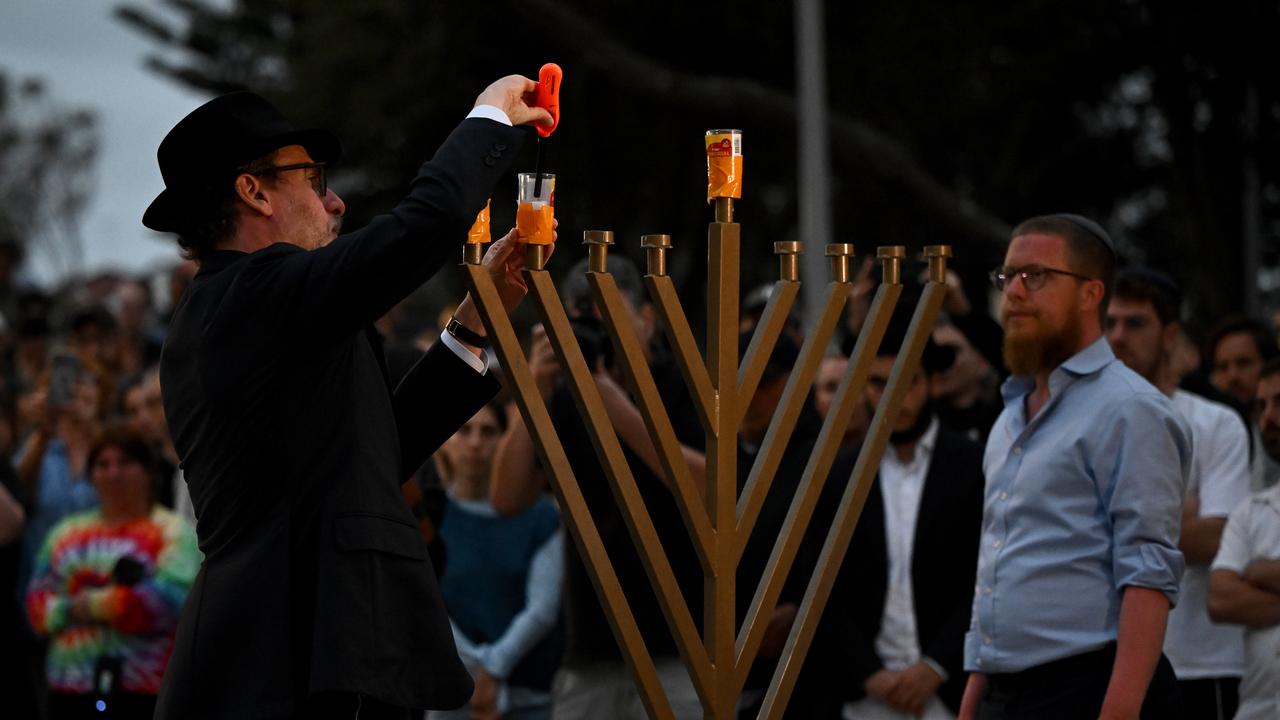
Fifteen people were killed and dozens more injured in the attack carried out by father-and-son Sajid and Naveed Akram who opened fire on Jewish Australians celebrating Hanukkah.
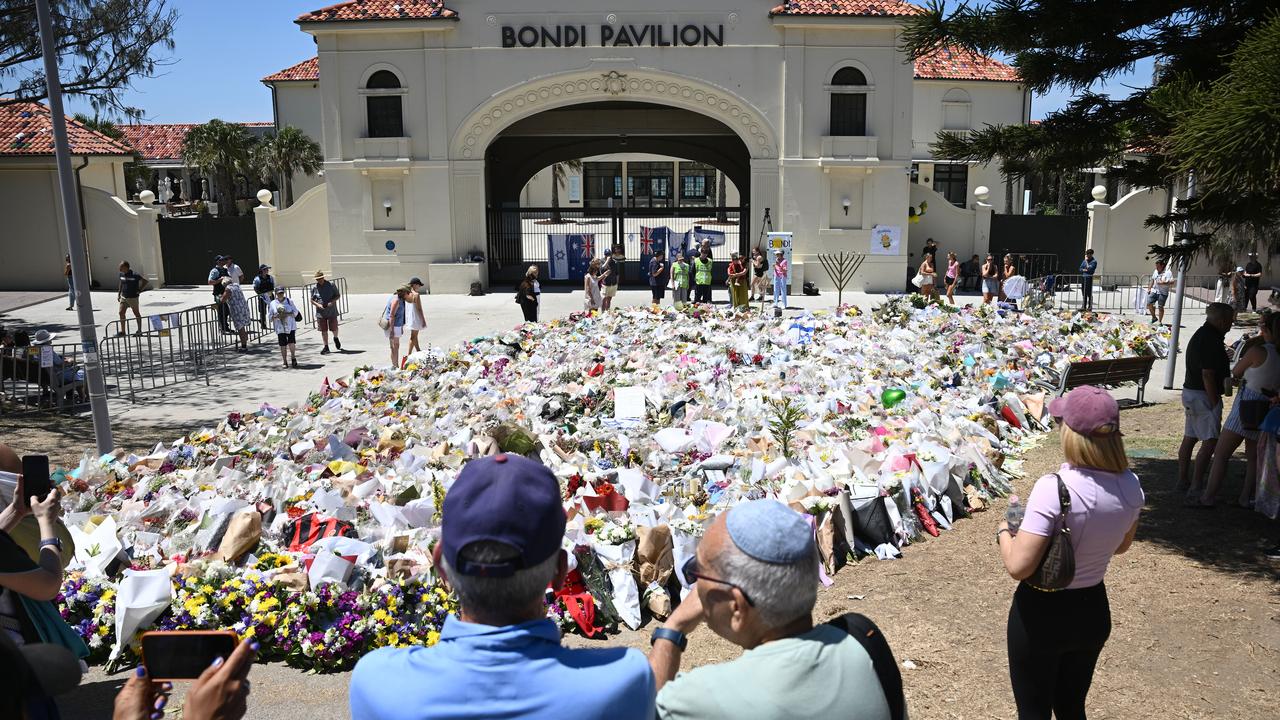
Former High Court judge Virginia Bell will lead the inquiry, examining the nature and prevalence of anti-Semitism and religiously motivated extremism, and will report back by the one-year anniversary of the attack.
University of New South Wales associate law and justice professor Harry Hobbs said there had been more than 140 royal commissions in Australia’s history, and the research was clear about what kinds of recommendations were most likely to be implemented.
“Generally speaking, you want recommendations that are practical and affordable and simple … because those things are more likely to be accepted,” he told AAP.
“If they are complex and costly and difficult and contested, then they are less likely to be implemented.”
Dr Hobbs said the 2013-14 royal commission into the Rudd government’s home insulation program was a good example of a short, sharp inquiry.
“The reforms were implemented and so it generated change,” Dr Hobbs said, but he acknowledged that some probes dealt with more complicated issues that were harder to respond to with simple recommendations.
Opposition Leader Sussan Ley slammed the prime minister’s call, saying he had been forced to relent after ongoing pleas from the community.
“The prime minister’s decision to finally establish a commonwealth royal commission is not an act of leadership; it is an admission that his litany of excuses have collapsed,” Ms Ley said in a statement.
The prime minister initially rejected calls for a royal commission in favour of an independent inquiry led by former ASIO boss Dennis Richardson, insisting this was recommended by “the actual experts”.
On Thursday he said he had taken time to reflect after meeting families of victims and survivors of the Bondi attack.
“I’ve been very grateful for listening to people’s stories in people’s homes … talking to rabbis, talking to the community,” he told the ABC’s 7.30 program.
The decision has been welcomed by Jewish groups who said lessons must be learnt to prevent further bloodshed.
“The attack in Bondi did not occur in a vacuum. It took place against the backdrop of an unprecedented surge in anti-Semitism across Australia,” the Australia/Israel and Jewish Affairs Council said.
The Greens called for the royal commission to also confront Islamophobia and “other extremist elements” as part of its social cohesion mandate.
“The strongest national response will be based on bringing together multicultural Australia to reinforce our values of tolerance, democracy and respect,” acting leader Sarah Hanson-Young said.
Lifeline 13 11 14
beyondblue 1300 22 4636