

At least 10 mistakes were made by Optus and contractor Nokia during an outage that caused hundreds of triple-zero calls to fail in four jurisdictions, a report has found.
Two deaths were related to unconnected emergency calls on September 18 during outages in South Australia, Western Australia, the Northern Territory and parts of far west NSW.
The Optus board on Thursday released an independent review into the incident which found gaps in process, accountability and escalation protocols that require urgent attention.
It also said cultural challenges at Optus impacted decision-making and response times.
There were at least 10 mistakes made by Optus personnel and their contractor Nokia, the report found, during a network upgrade.
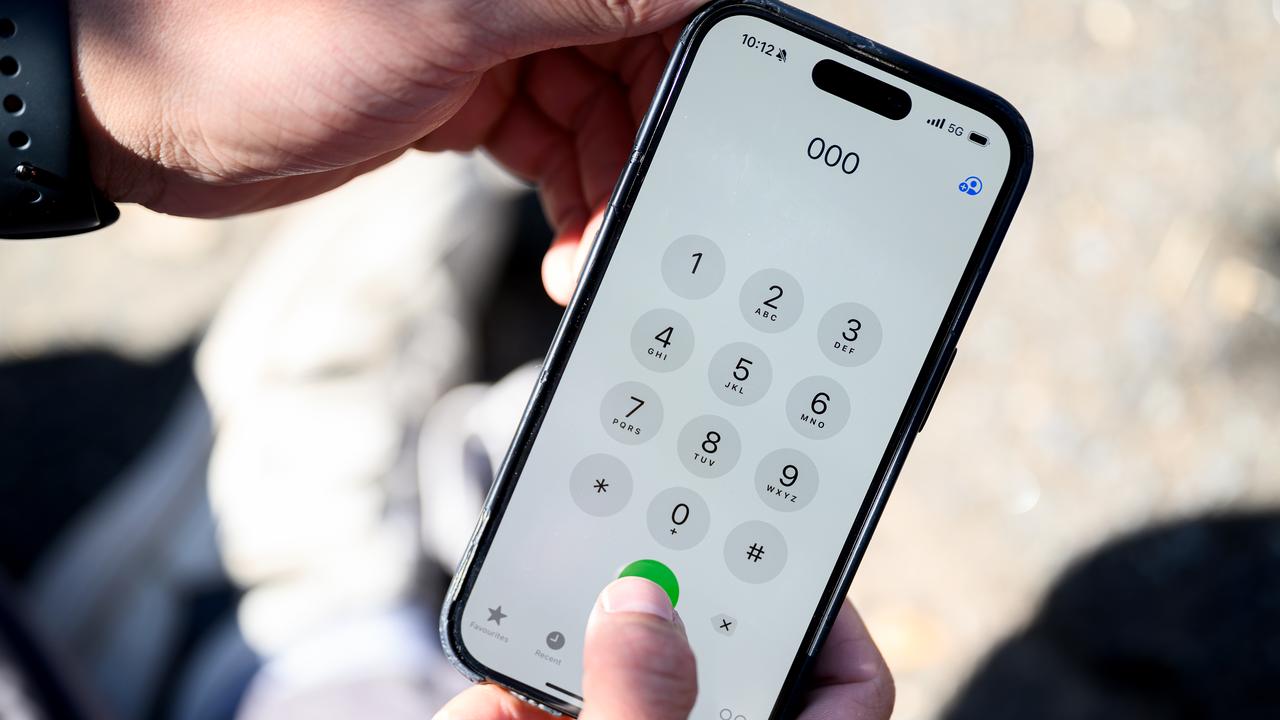
The upgrade being done by Optus and Nokia was “not unusual” but instructions about the changes needed, given by Optus to Nokia, were incorrect.
The failure lasted almost 14 hours with 455 of 605 triple-zero calls from impacted areas during that time unable to be connected.
It took Optus and Nokia about 13 hours to know of the problem – early alerts were provided to the operations centre but received only cursory attention, the report said.
Optus has pledged to swiftly implement all 21 recommendations of the report, which was completed by experienced executive Kerry Schott.
The recommendations include better processes for making routine network changes and addressing the siloed nature of work at the company.
Optus chairman John Arthur said the failures were unacceptable and the board was taking further action against individuals, including financial penalties and potentially sackings.
“We are deeply sorry for the 18 September outage that impacted triple-zero services and the consequences for any Australians who were trying to reach emergency services,” he said.
“We understand it is crucial for the community to always have access to triple-zero services.”