
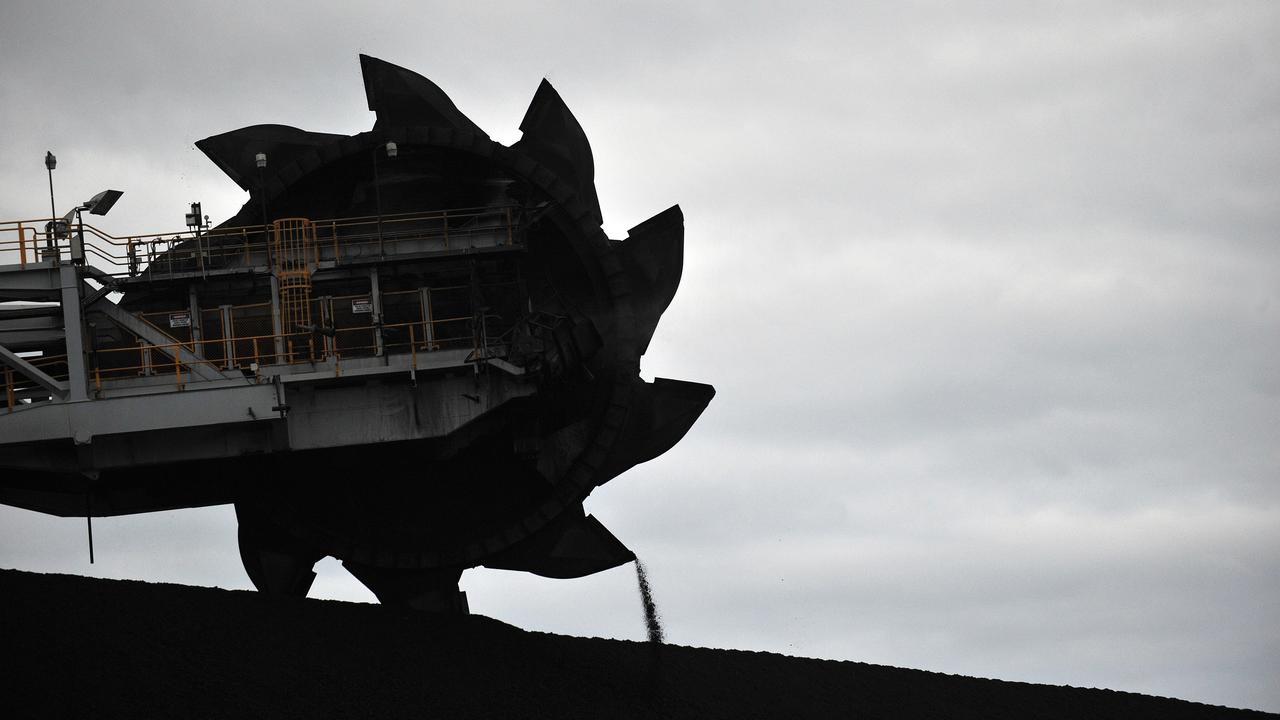
Improved methane capture at six high-emission coalmines appears one state’s best bet to hit climate targets.
A report released by climate advisory group Common Capital said NSW could help reach emissions targets with best-practice abatement at the six mines, which produce half the state’s coalmine emissions despite delivering less than 10 per cent of the coal.
The NSW Net Zero Commission concedes the state is not on track to meet legislated targets for both 2030 and 2035, and a “sizeable” pipeline of coal project extensions would heap pressure on other sectors to meet them.
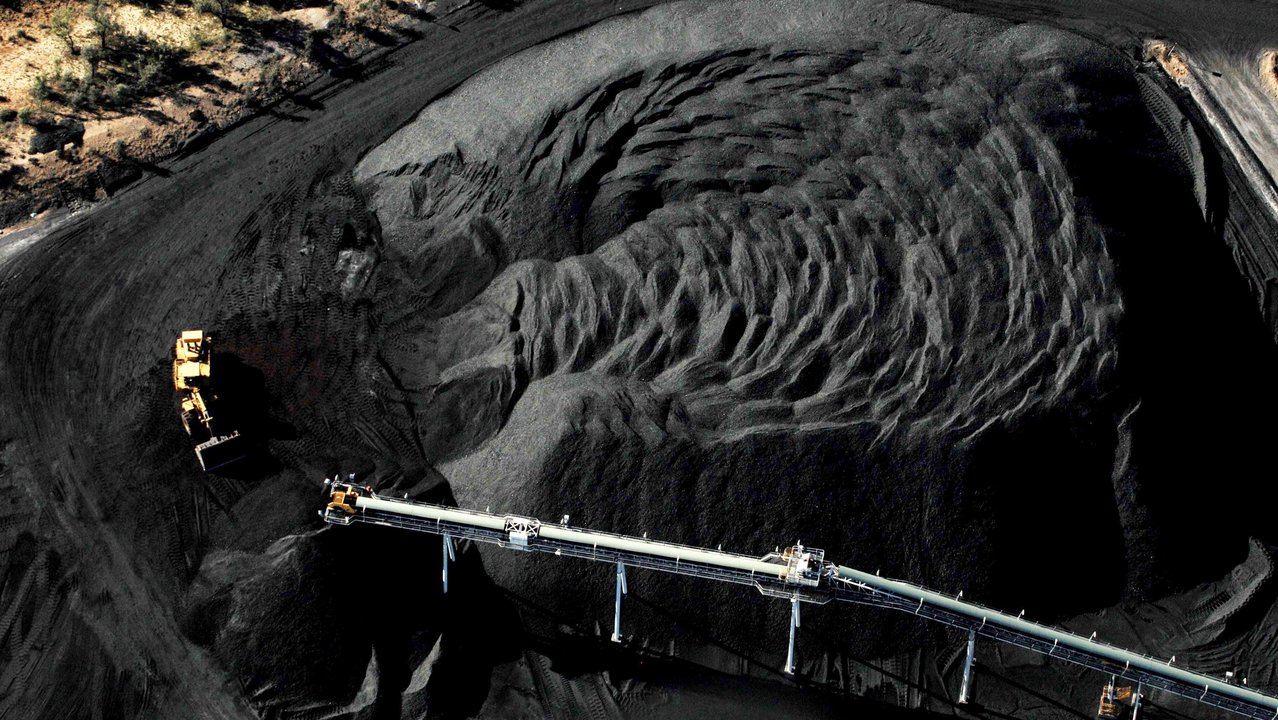
Methane, which accounts for more than a quarter of NSW emissions, is the biggest greenhouse gas contributor from coalmines via its release from coal seams.
Almost all (96 per cent) of NSW’s resource sector emissions come from coalmining, meaning the six high-emission mines are contributing about six per cent of the state’s overall emissions.
“There are two key opportunities to reduce coal sector emissions and close the emissions gap in NSW – driving abatement at the six most emissions-intensive mines and managing the approval of coalmine projects already included in NSW emissions projections,” the Common Capital report says.
“This would nearly close the projected emissions gap in 2030 and reduce the 2035 gap by a third.”
The report labels the potential gains “readily available”, as well as cheaper and more feasible in the near term than abatement in other sectors.
Both Common Capital and the Net Zero Commission will give evidence at an NSW parliamentary inquiry into emissions from the fossil fuel sector on Friday.
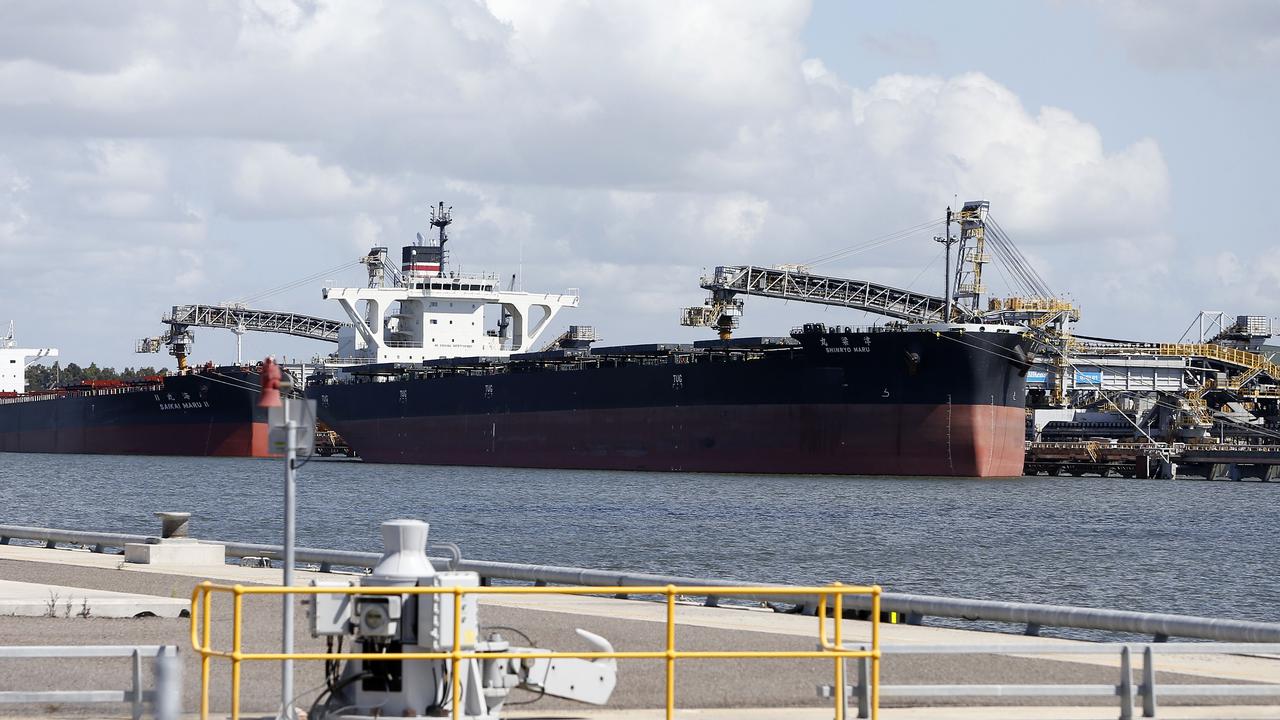
The commission notes a whopping 87 per cent of NSW coal is exported.
“These ‘scope 3’ emissions are mostly accounted for overseas, but their impacts are felt both globally and locally in NSW,” it says.
“They drive rising temperatures and climate instability and make it more difficult to adapt to the effects of climate change.”
The NSW Minerals Council said it had already done plenty of abatement work targeting methane, enabling a 45 per cent drop in their emissions since 2005.
“According to data on the NSW Net Zero Dashboard, fugitive methane emissions from coal mines fell by 10 per cent over the three years between 2020 and 2023,” their submission to the inquiry says.
“As highlighted under the terms of reference, the industry is pursuing further fugitive emission abatement opportunities targeting methane abatement.”