
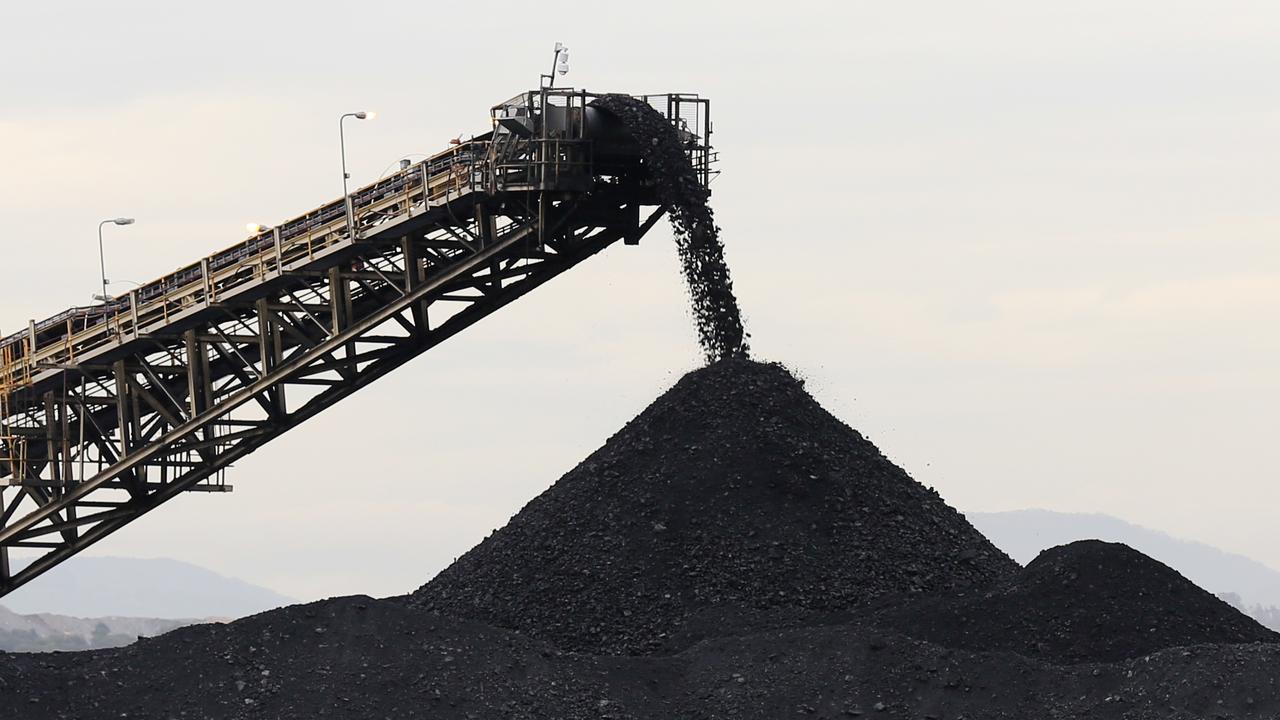
The sun might set on overseas demand for Australian coal sooner than expected if China and India start favouring their local industries instead of imports.
Australia’s exports of the fossil fuel have long been expected to wane as the world chases global climate goals of limiting warming to 1.5C above pre-industrial temperatures, or well below 2C.
An analysis from modelling firm Climate Resource suggests thermal coal exports could plummet by nearly 80 per cent in a decade compared with 2024 levels.
Metallurgical coal – used in steel-making – is set for a slower decline, but could still sink by 54 per cent by 2035.
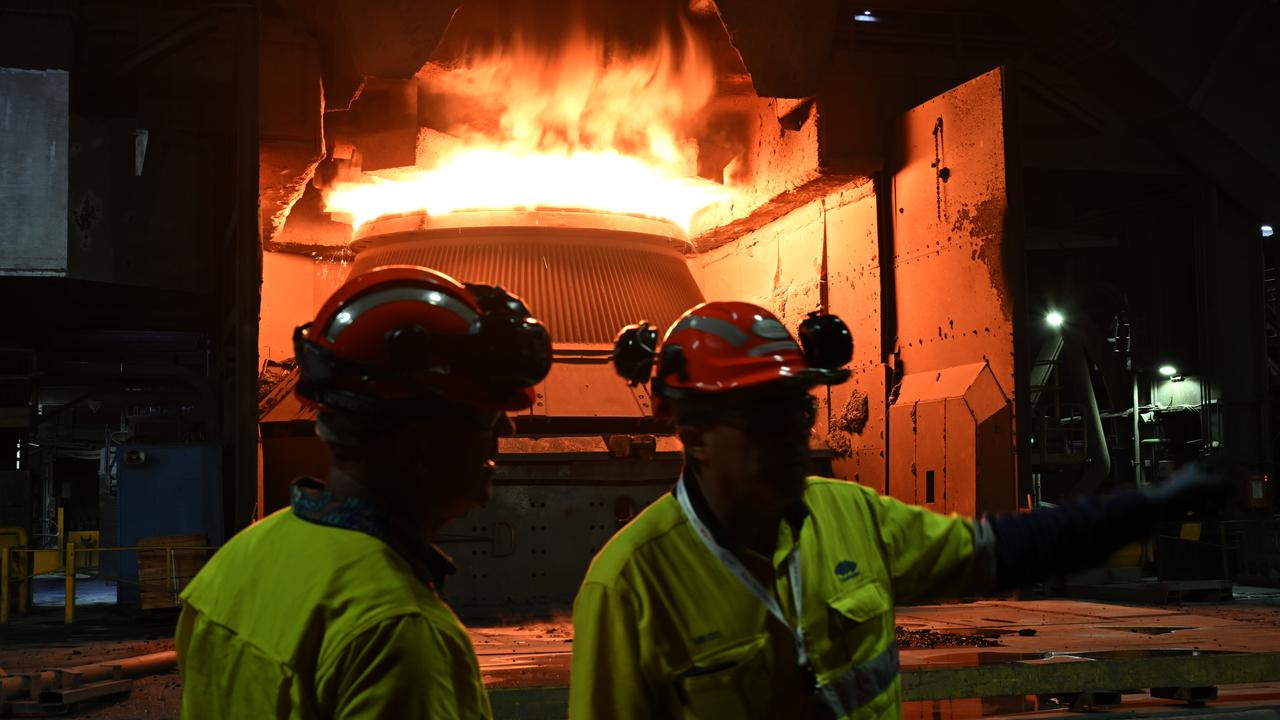
A 78 per cent drop in demand by 2035 for Australia’s thermal coal is based on a scenario of 1.8C warming, a level the modellers say is consistent with countries nailing short-and long-term emissions-slashing goals.
That figure also assumes a “low demand” case, where China and India start preferencing local coal supplies rather than buying from Australia.
Climate Resource decarbonisation lead Anita Talberg said a higher-demand case was modelled as well, but the low-demand scenario was realistic given indications made by the major customers of Australian coal.
“We should be planning for that low-demand case because there’s a real possibility,” she told AAP.
India announced its intention to ditch coal imports entirely by 2026.
China has not made clear statements to turn away from imports, though the researchers theorise that as demand declines in line with decarbonisation, it could lean more heavily on its local coalmining industry.
Australia is already preparing for the decline of the coal export industry, with Treasury modelling suggesting the value of coal and gas exports could fall 50 per cent by 2030.
To replace fossil fuels, fostering clean industries in critical minerals mining and green metals is the main game, with demand for these commodities tipped to boom as the world decarbonises.
Dr Talberg warns Australia is at risk of not preparing quickly enough, including helping coal regions transition from fossil fuels.
“We need to plan for a rapid phase-out, not a gradual one,” she said.
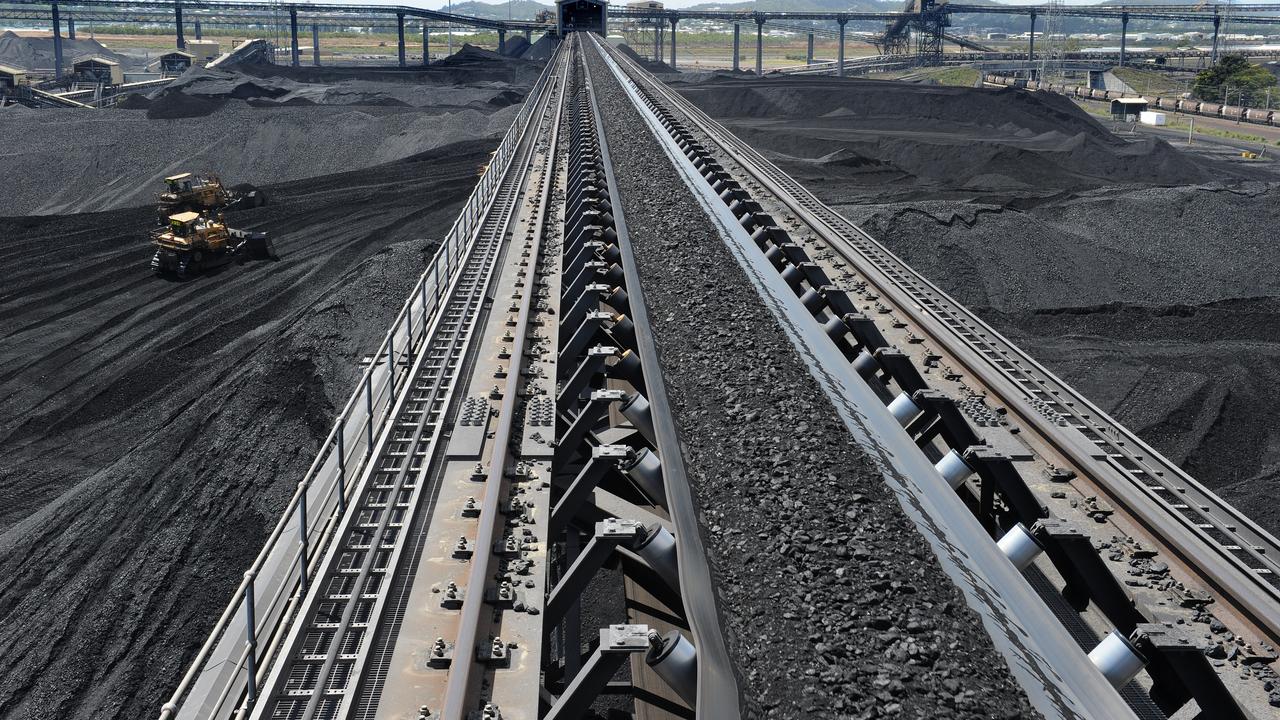
Transition timelines should also reflect the mix of coal mined in different areas, with NSW dominated by thermal coal and Queensland metallurgical.
Momentum is building behind a global plan to ditch coal, gas and oil, with Australia one of more than 90 countries backing the Belem Declaration in support of a just and speedy transition away from fossil fuels.
Australia has an opportunity to play a defining role in the phase-out after securing “president of negotiations” role at the next COP conference in 2026, though will have to wrestle with its status as a major coal and gas exporter.
Brazil, a signatory and host of the last COP summit, has since ordered its ministries to fast-track guidelines for a national road map away from fossil fuels, setting a high bar for others to follow.
Also at the climate talks, South Korea – another big Australian thermal coal customer – committed to phasing out coal for generating electricity by 2040.