
More data centres, the delayed retirement of coal and warnings a sluggish transition could pose reliability risks are all contained in the grid operator’s refreshed plan for a clean electricity system at least cost.
The cheapest pathway – solar and wind firmed by storage and backed by gas – was reaffirmed in the Australian Energy Market Operator’s 20-year road map for the main grid serving the eastern states.
The market operator is planning for 120 gigawatts (GW) of renewables, 55 GW of dispatchable storage and 14 GW of flexible gas generation by 2050, predictions not far off those made in 2024, the last edition of the integrated system plan.
Minor tweaks to the cheapest pathway have been made to reflect higher costs for wind and lower costs for solar and batteries.
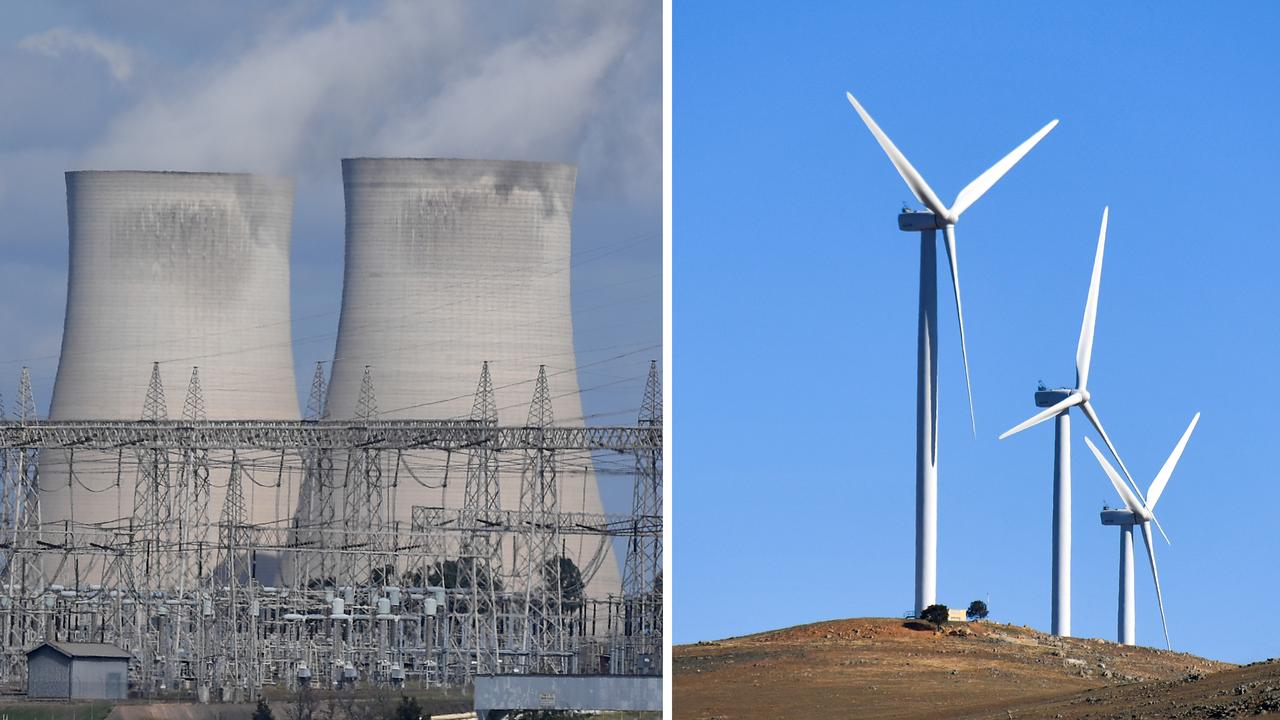
The 6000km of new transmission by mid-century is less than flagged in 2024, with some projects being downsized or ditched due to policy changes, and others already in operation.
Consistent with earlier predictions, electricity consumption is expected to nearly double by 2050, fuelled by the electrification of transport and industry, as well as the expansion of data centres.
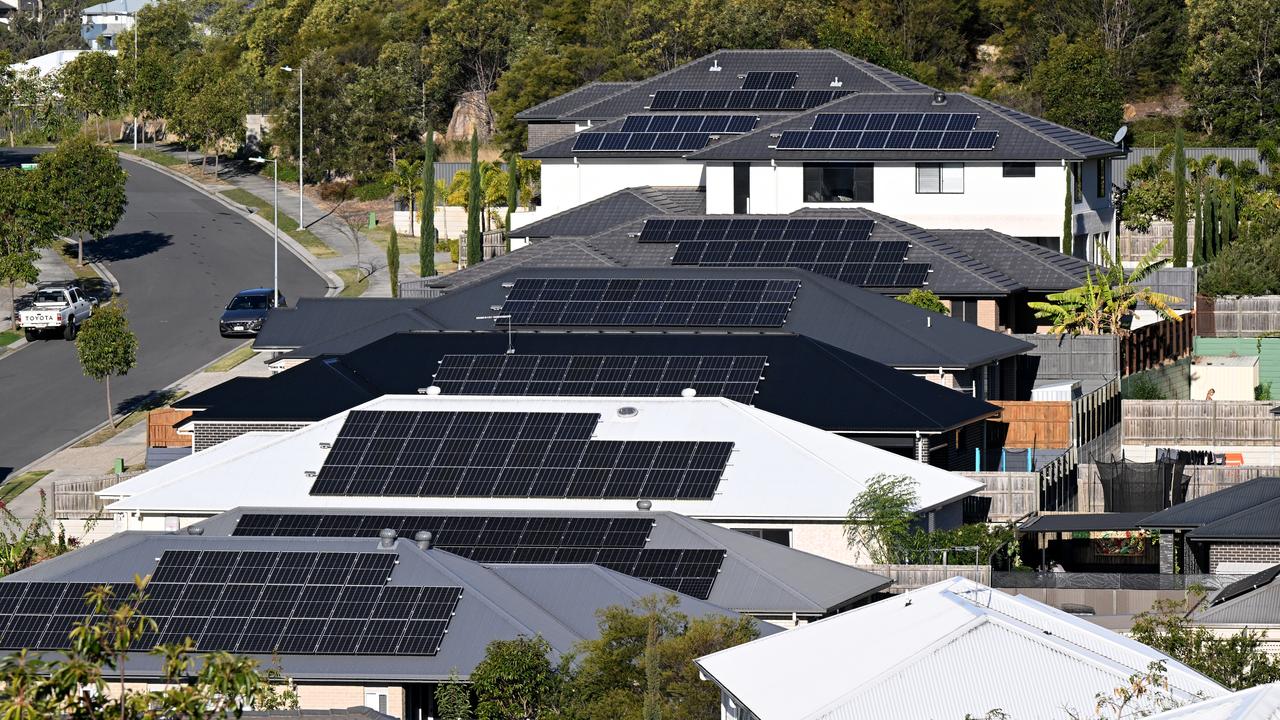
Households are both using and producing more energy and the trend is set to continue, with 87 GW of small-scale solar, 27 GW of behind-the-meter batteries and 9 GW of storage from electric vehicles expected by 2050.
Thanks to the rise of rooftop solar and batteries, household grid-scale electricity use is projected to fall 40 per cent – even with more electric cars in garages – while business use is on track to jump 90 per cent.
“Australian consumers are world leaders in rooftop solar and are now adding home batteries and electric vehicles,” AEMO chief executive officer Daniel Westerman said.
The 2040 retirement of all coal power stations has been pushed out to 2049, reflecting the Queensland government’s planned extension on its fleet.
Coal retirements nationwide may happen sooner than forecasts, AEMO notes, as cheap solar challenge the economics of operating ageing generators.
“Two-shifting” may become more commonplace, which involves upgrading plants so they can switch off in shoulder seasons and fire up again for peak winter and summer months.
The market operator describes its least-cost mix of generation, storage and transmission to replace coal plants and meet climate commitments as its “optimal development path”.
Three scenarios are integrated into this path – “step change”, “slower growth”, and “accelerated transition”.
Confidence in the “step change” scenario is growing among energy experts, with stakeholders polls viewing it as the most likely of the three scenarios modelled in the 2026 draft report.
AEMO also crunched the numbers on what delays to transmission, generation and storage projects would mean, with the prolonged life of ageing coal generators viewed as a risk to power system reliability.
“While momentum in investment and delivery continues to build, challenges remain in delivering essential infrastructure at the pace required,” Mr Westerman said.