
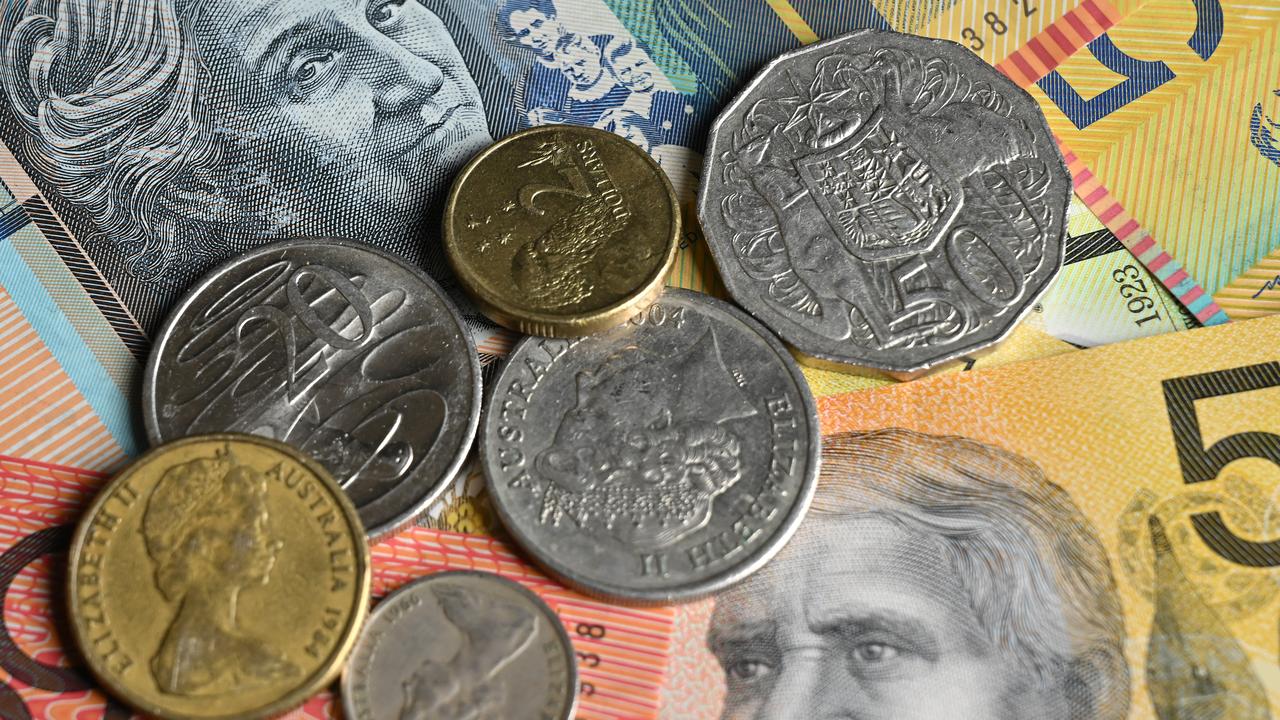
Australia’s central bank would be justified in taking a no-change stance when it reveals its final interest rate decision for the year, according to new data on wages and jobs.
The Commonwealth Bank of Australia on Monday released a new monthly report it hopes in the future will be a leading indicator for the official numbers posted by the Australian Bureau of Statistics.
The bureau’s next quarterly wages index won’t be released until February, while its November labour force findings will be out on Thursday.
CBA’s inaugural Wage and Labour Insights report, compiled from the de-identified salary flows of around 400,000 bank accounts, points to an uptick in wages in November to 0.8 per cent and annual growth of 3.2 per cent.
The annual rate is higher than the previous month’s 3.1 per cent, although well below the late 2024 peak of 4.1 per cent, according to CBA’s calculations.
At the same time, the data points to trend employment growth of 26,000 in November, a slight increase from the previous two months, for an unemployment rate of 4.4 per cent, in seasonally adjusted terms.
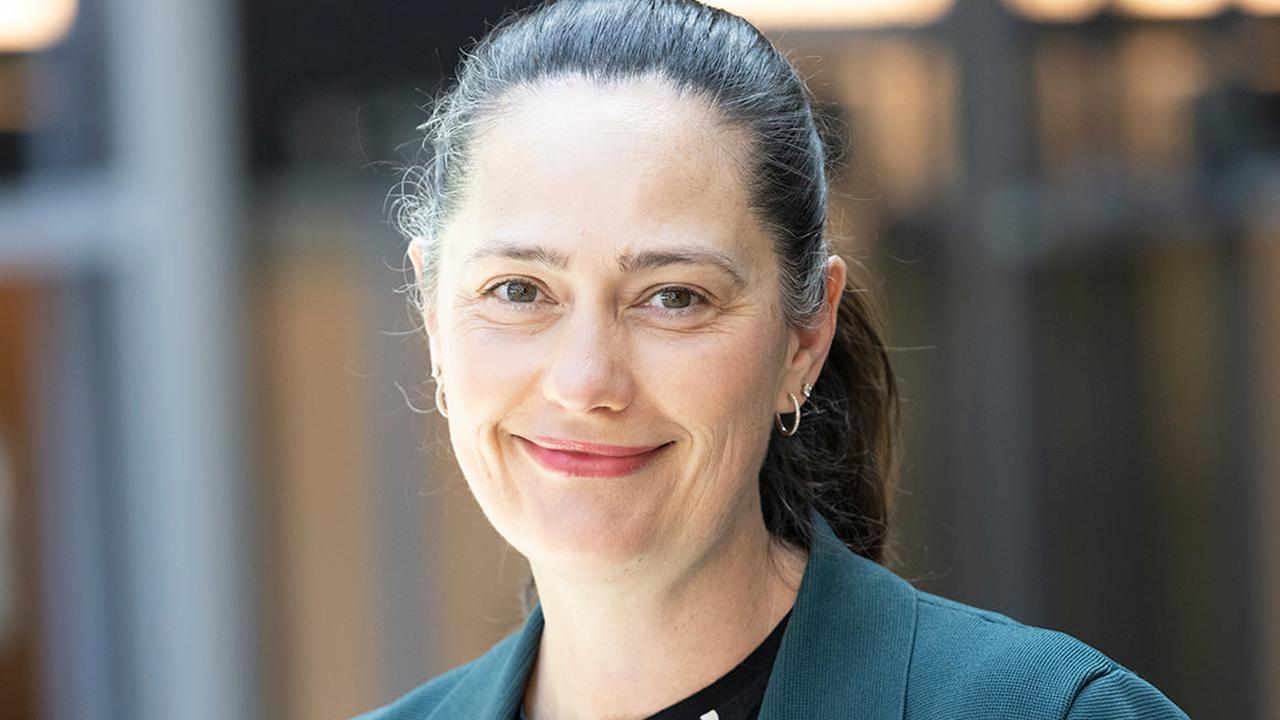
CBA Head of Australian Economics Belinda Allen said the slight lift in wages and relatively steady jobs growth backed a cautious stance by the central bank on interest rates.
“But it’s definitely worth watching, given other concerns in the Australian economy,” she told AAP.
“If we continue to see an acceleration in employment growth and wages growth, that could give the RBA more reason to have to think about whether or not policy settings are correct … or if they need to act and tighten.”
The central bank’s two-day board meeting ends on Tuesday, when its rates decision is released at 2.30pm.
The overwhelming consensus amongst economists is for no change in the cash interest rate, currently sitting at 3.60 per cent.
CBA concurs and is so far predicting no change at all in 2026.
But inflation data for October released by the bureau last week showed annual prices rising by 3.8 per cent – well above the three per cent upper limit of the RBA’s target band.
And the latest temperature test for the economy revealed growth of 2.1 per cent for the year ended September, showing Australia was still in good shape.
“The balance of risks is shifting from whether or not rates are on hold to whether or not they (the RBA) may well have to consider a rate hike in 2026, if inflation accelerates from here,” Ms Allen said.
Some market watchers are already mulling whether the central bank’s next move could be a rate rise, potentially from the middle of 2026.