
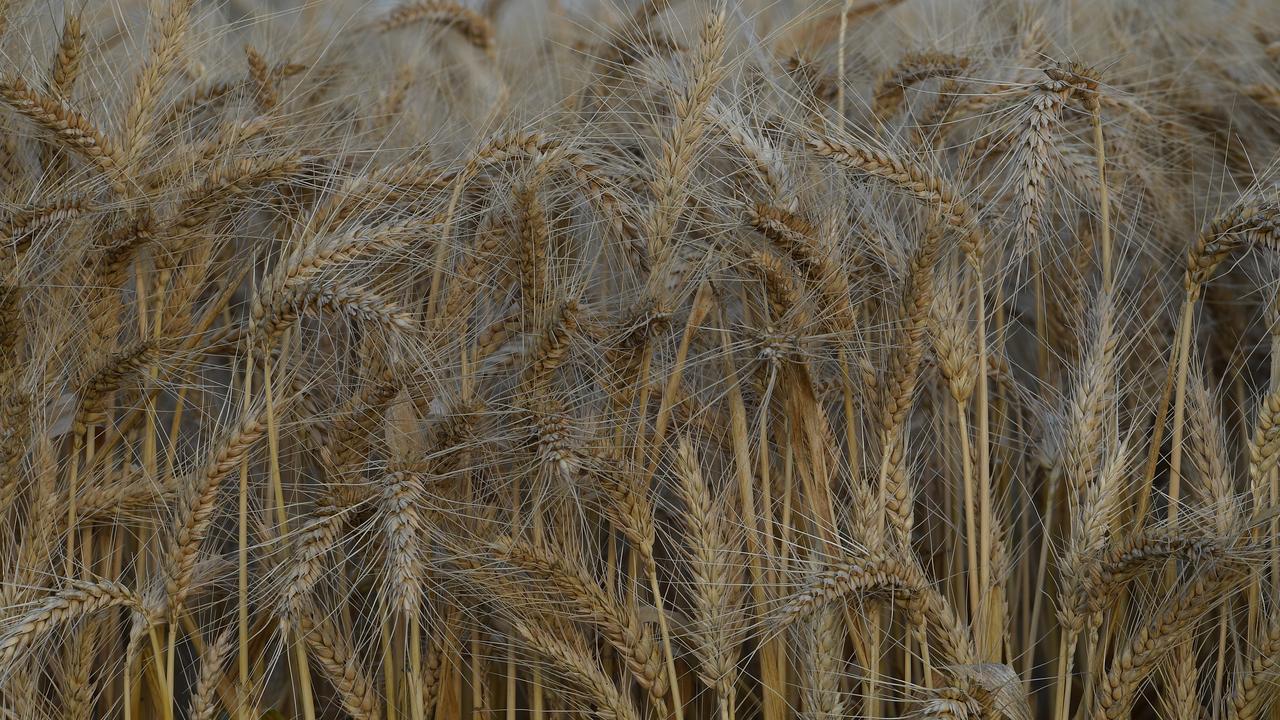
Choked fertiliser supply chains teamed with an El Nino event could trigger food shortages and instability in the Indo-Pacific region, former national security leaders are warning.
The Australian Security Leaders Climate Group say there’s a plausible case for regional food shortages emerging over the next 12 months.
”This dire combination of a strong El Nino and the fertiliser crisis will have a significant impact on food production, and may lead to shortages, higher prices, panic buying and perhaps social unrest and conflict in the Indo-Pacific,” said retired colonel Neil Greet, a former Australian Army officer.
The alliance fears Australia is not well-prepared for compounding climate and geopolitical risks threatening its neighbours and security partners, nor exacerbated cost-of-living pressures at home.

Australia’s climate is driven by more than just the El Nino-Southern Oscillation patterns that cycles in the Pacific Ocean periodically, though the recently confirmed El Nino event has historically brought less rain and warmer temperatures to the southeast.
The cyclical warming in the east Pacific Ocean is also associated with weaker monsoon rains in India, drought in Brazil and Colombia, more rain in southern parts of the United States, and coral loss in parts of the world, potentially weighing on fish stocks.
El Nino is also occurring on a background of higher global temperatures caused by rising concentrations of greenhouse gases in the atmosphere.
The war on Iran further complicates the outlook, the former defence chiefs says, with roughly a third of the raw materials used for global fertiliser production needing to pass through the Strait of Hormuz.
Higher fuel and fertiliser costs had been weighing on agriculture margins globally, prompting many farmers to scale back plantings including in Australia, RaboResearch Australia and New Zealand general manager Stefan Vogel said.
He was not expecting a sharp global reduction in staple foods due to the Middle East conflict, however.
Market creativity to keep fertiliser supply chains moving, as well as price increases favouring the planting schedules of countries north of the equator, had helped soften the blow, Mr Vogel told AAP.

An El Nino was associated with drier conditions in Southeast Asia but the agricultural analyst said its influence on cropping was hard to predict given warm and dry weather can aid some phases of the growing cycle.
However, Mr Vogel said India – a big producer of wheat, rice and pulses – was already experiencing a delayed monsoon, and lower crop yields were possible without a recovery in rainfall conditions.
The report from former security leaders recommended Australia bolster regional food security programs and improve climate threat intelligence.
The group have been critical of the federal government’s failure to release a declassified version of a Office of National Intelligence assessment of the climate security risks.
The UK has released a similar redacted intelligence report warning declining global ecosystems could push more people into poverty and food insecurity, potentially fuelling higher migration rates, political polarisation and economic insecurity.