
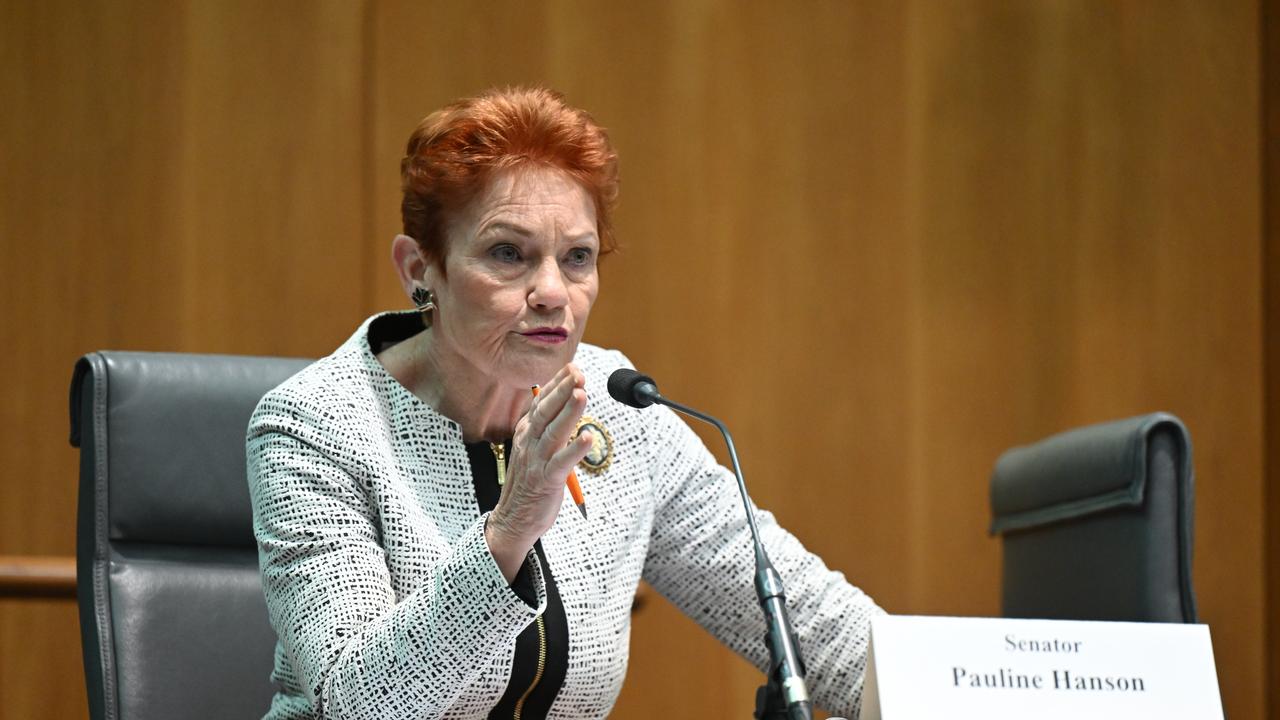
Pauline Hanson’s party is on the “cusp” of a political breakthrough, but the popular leader will need to perform at key public events if she is to translate the momentum among voters into election success, analysts say.
The One Nation founder will address the National Press Club in Canberra for the first time in her three decades in politics.
Senator Hanson was first elected to the House of Representatives in 1996, representing the Queensland seat of Oxley.
She was defeated two years later and was voted out of office, spending almost 20 years unsuccessfully running for parliament before being elected in the Senate for Queensland in 2016.
Senator Hanson was re-elected in 2022 and is more than halfway through her six-year term.
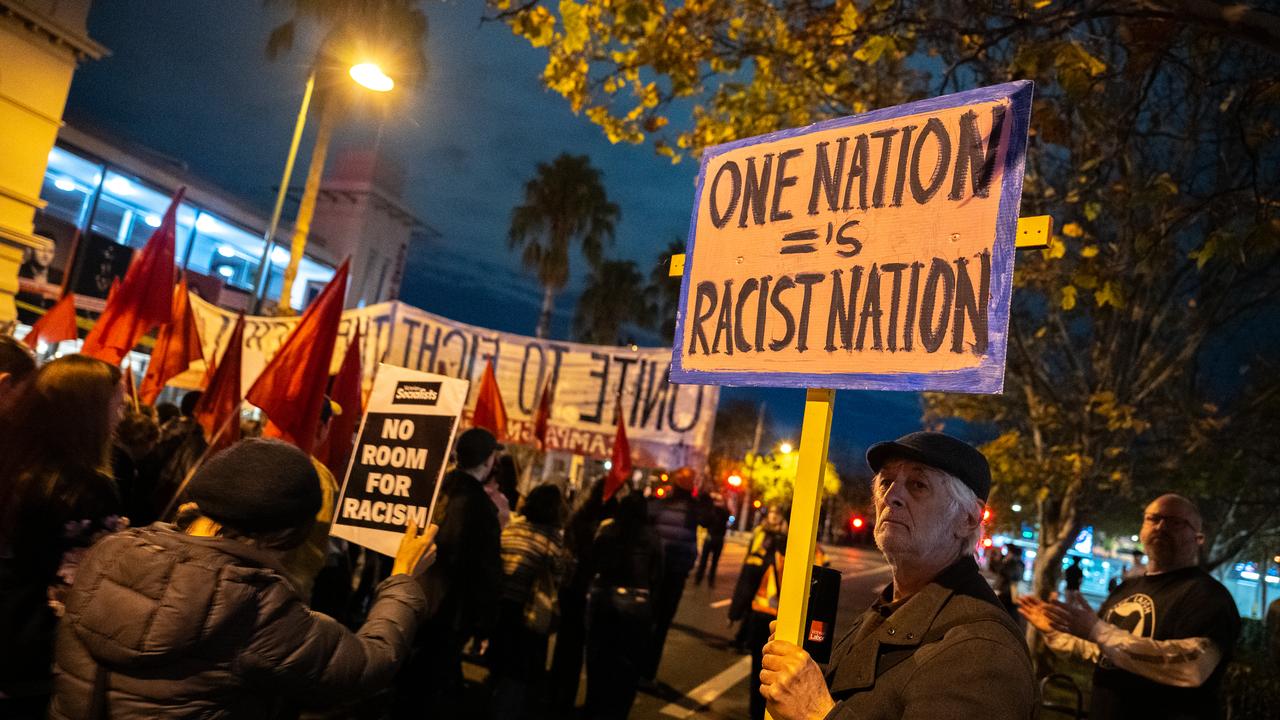
Monash University head of politics Zareh Ghazarian said Ms Hanson’s address should give an overview of what her party would be like, in addition to its broad policies and aspirations.
“One Nation is at a transition point from being a minor anti-establishment party to potentially being on the cusp of a major political breakthrough,” he told AAP.
“There’s a lot riding on this speech. It’s going to be closely watched by media, but a lot of other Australians as well as the political parties.
“Hanson has to perform well to convince those on the fence, that her party and leadership is something to get behind.”
Consistent polling has shown One Nation has become Australia’s most popular political party, surging ahead of the coalition by a substantial lead.
Senator Hanson is also now the preferred prime minister.
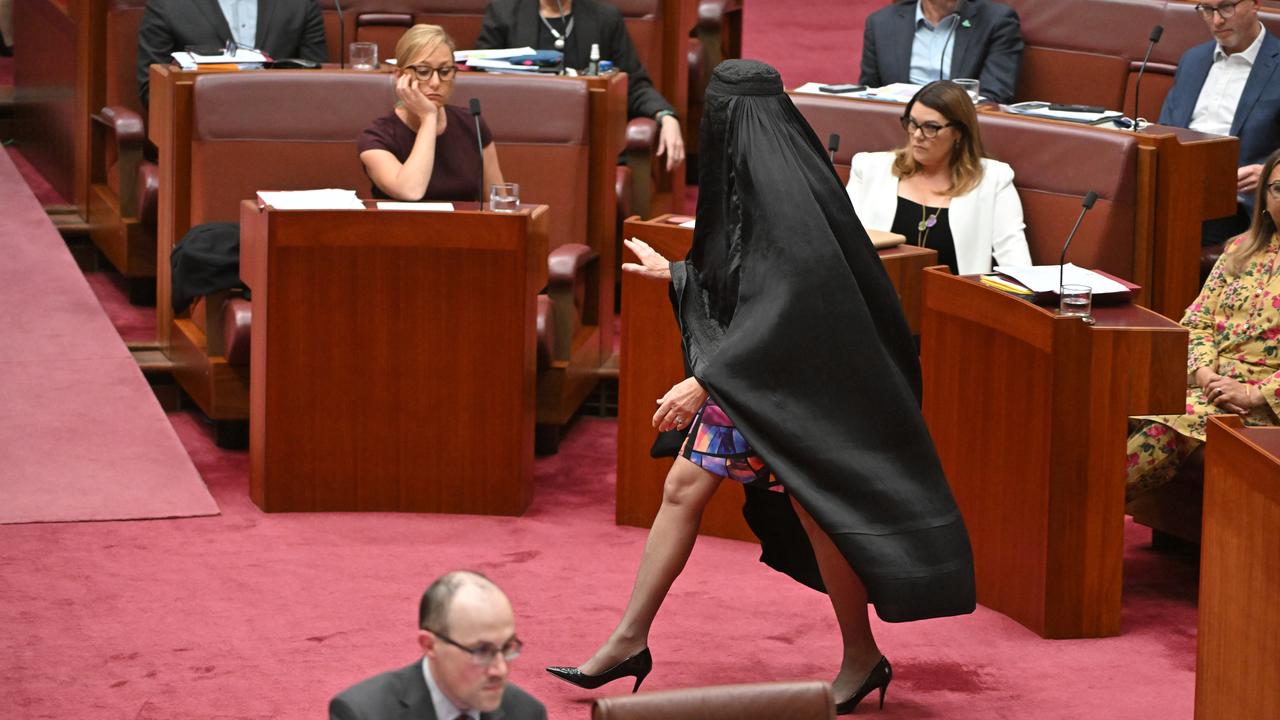
Dr Ghazarian said part of her appeal of authenticity, meant voters might be willing to give a leader who isn’t polished, a go.
“If her party is to go further, then they should have learnt from previous policy missteps, ill-discipline, and organisational fragility and divisions,” he said.
To manage One Nation’s rise, Labor is portraying the party as one of grievance rather than solutions as Australians grapple with a housing crisis and cost of living pressures.
The coalition has left the door open to preferencing their conservative rivals, but senior Liberals have ruled out doing a deal to avoid competing against each other for seats at the next federal election.