

Australia has voted in favour of a landmark United Nations resolution spearheaded by its Pacific island neighbours to strengthen state responsibility to act on climate change.
The 193-member global body endorsed an advisory opinion provided by the world’s top court on Wednesday, which notably warns a failure to curb fossil fuel production might constitute an “internationally wrongful act”.
The hard-fought legal opinion from the International Court of Justice delivered in July 2025 was first conceived by a group of Pacific students and initially taken up by Vanuatu.
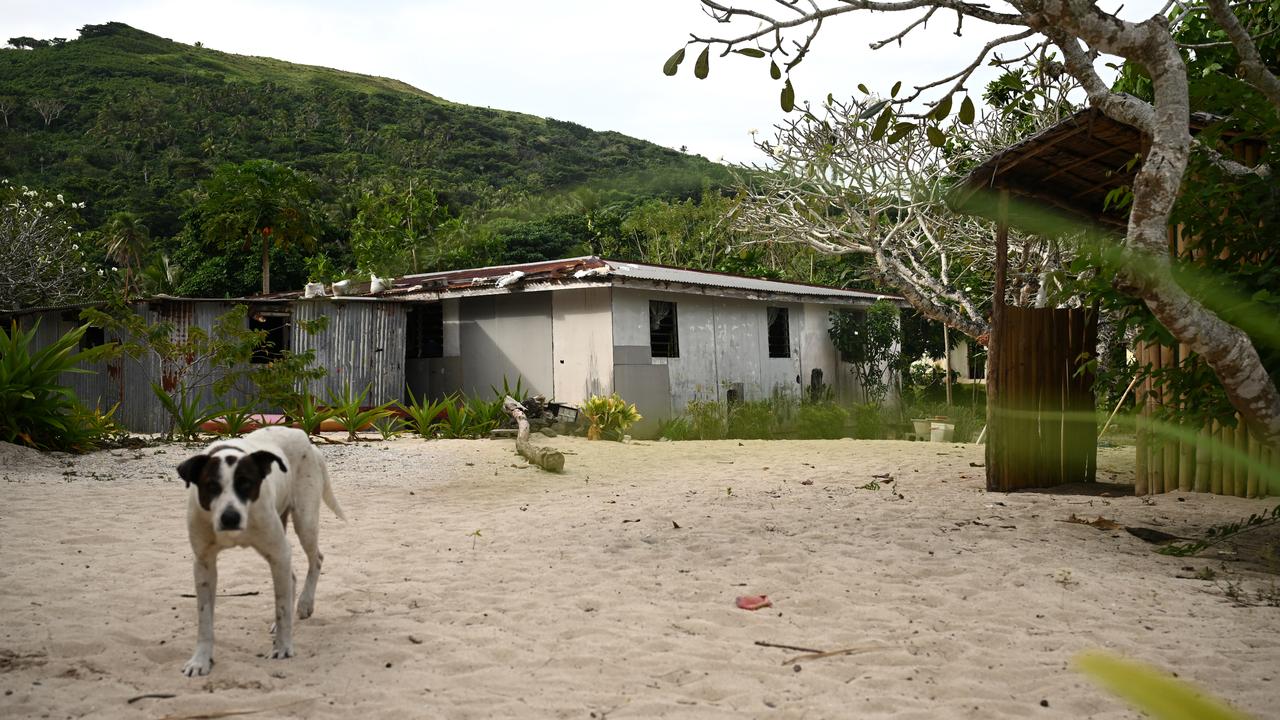
The climate-vulnerable island nation, supported by its Pacific allies, was also the first to sponsor the UN General Assembly resolution that passed with 141 votes in favour, eight against and 28 abstentions.
“This must be a turning point in accountability for damaging the climate,” said Vishal Prasad, one of the students who instigated the ICJ advisory opinion.
“Communities on the frontlines, like in the Pacific, have been waiting far too long and continue to pay too high a price for the actions of others,” said the director of Pacific Islands Students Fighting Climate Change.

Australia-based Climate Council chief executive Amanda McKenzie said the ruling left the federal government’s stance on fossil fuel exports exposed.
“While the government is ramping up renewable power, it is still giving fossil fuel giants a free ride,” she said.
“Continuing to wave through massive new coal and gas projects puts our kids’ future at risk and is now clearly against international law.”
Australia, which has been pursuing significant domestic emissions cuts with ambitious renewables targets but remains a major exporter of coal and gas, voted in favour of the resolution.
Other big fossil fuel producers, including the United States, Russia, Iran and Saudi Arabia, opposed the measure.
Australia was not among the 69 resolution co-sponsors leading into the vote, however, making it and New Zealand the only Pacific nations missing from the list.
Australia holds a key president of negotiations role heading into the next Conference of the Parties climate change talks to be held in Turkey, with Fiji and Tuvalu set to hold official pre-event meetings.
Low-lying Tuvalu is expected to lose 90 per cent of its land to the ocean by the end of the century due to sea level rise.
The UN General Assembly resolution formally reaffirms the ICJ’s findings and urges governments to align policies with limiting global warming to 1.5C.
It also urges nations in violation to provide reparation for damage and calls for the regulation of fossil fuel companies.