
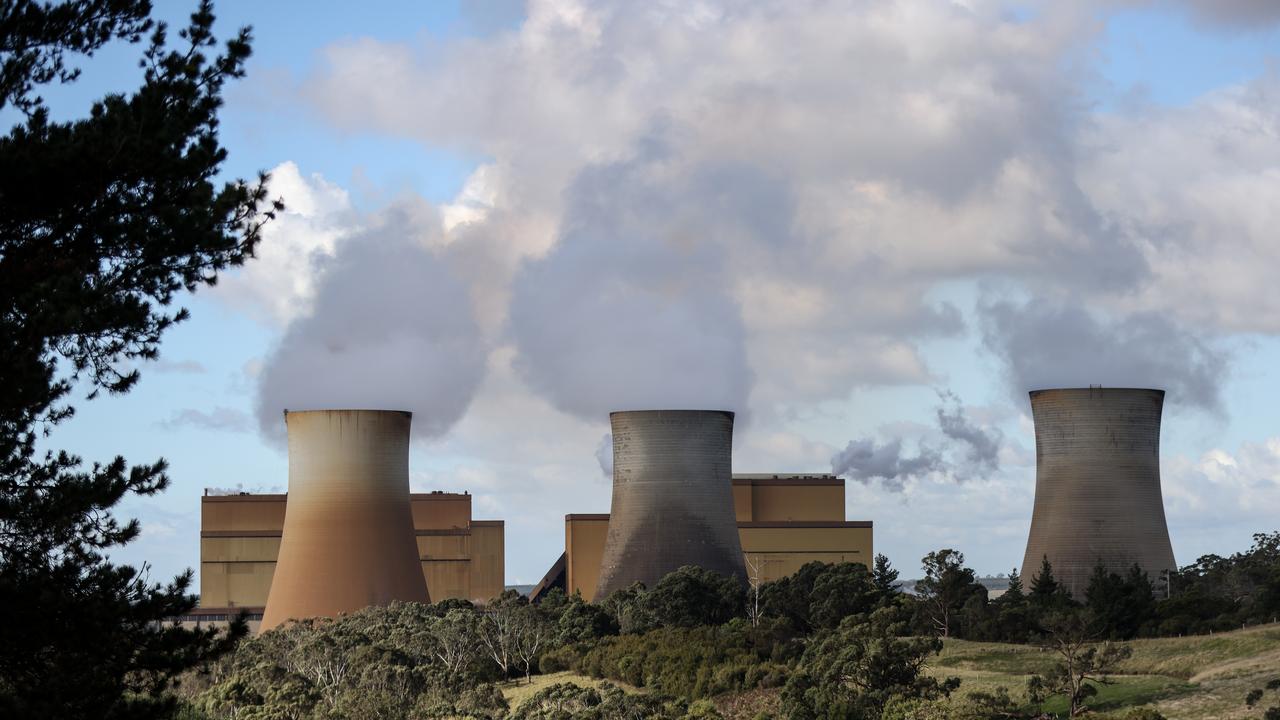
As the worst oil shock in history throttles economies worldwide, more than 50 countries are meeting to thrash out an orderly path away from fossil fuels.
A treaty to formalise a phase-out, fossil fuel subsidies and transition finance for developing nations are agenda items for the multi-day event in the port city of Santa Marta.
Promises to develop country-specific road maps away from climate-polluting fossil fuels and bolstered multilateral alliances could eventuate from the conference co-hosted by Colombia and The Netherlands.
Founding member of The Elders and former Ireland president Mary Robinson says the summit is occurring just as the world is experiencing an energy wake-up call.
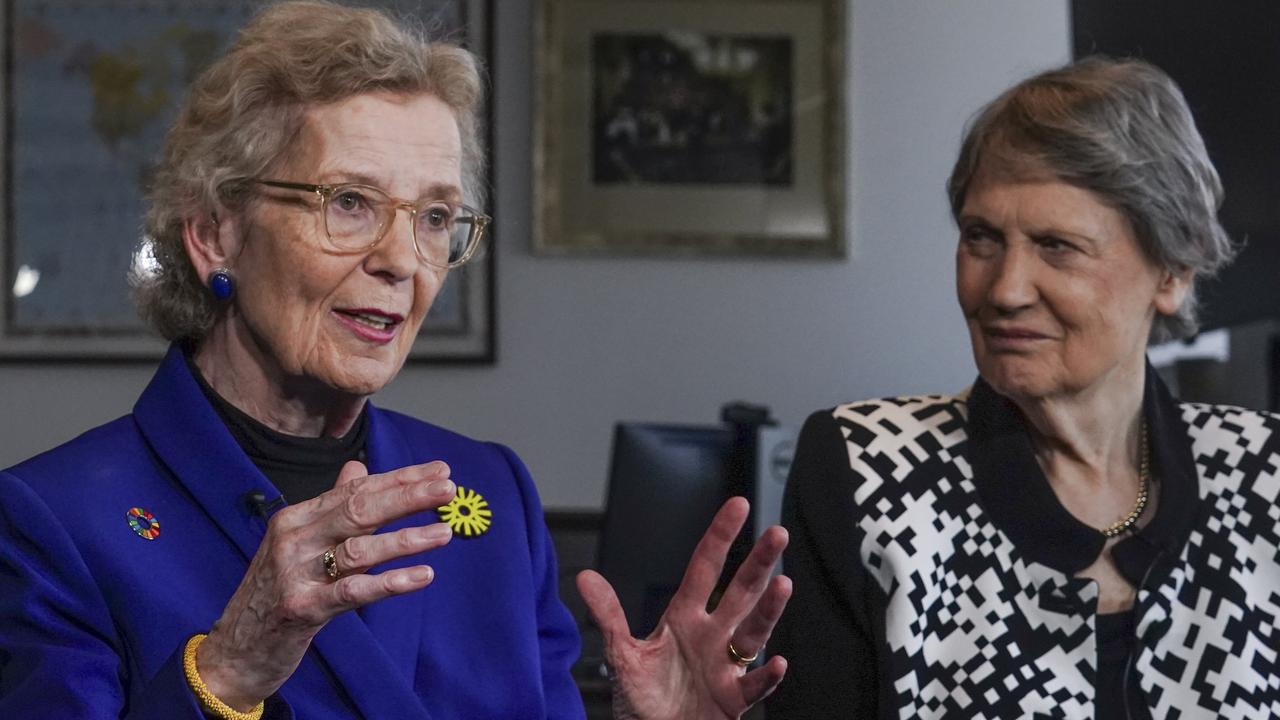
“For the past month, the United States and Israel have waged an illegal war against Iran and the consequences have been felt worldwide,” she said in a briefing ahead of Santa Marta.
“High oil prices don’t just stay in energy markets, they move straight into people’s lives.”
A “committee of doers” gathering in the Colombian city is intentionally detached – albeit complementary – to the formal United Nations climate diplomacy process.
Free of fossil fuel lobbyists and producing nations that can impede Conference of the Parties negotiations, the hope is high-ambition countries will have a multilateral space to address the root cause of climate change.
Australia will be attending at a time when it holds a novel negotiating role ahead of the next UN climate talks in Turkey.
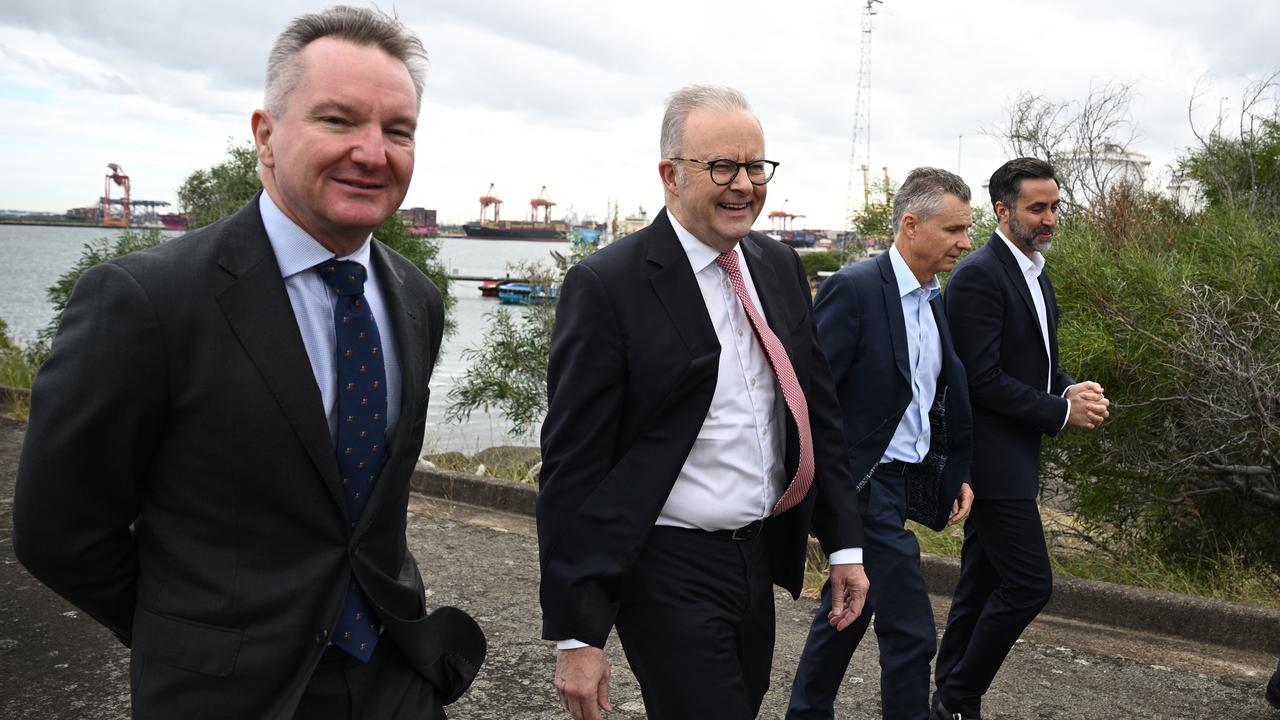
COP31 president of negotiations Chris Bowen, Australia’s minister for climate change and energy, will not be attending, with senior officials sent to represent the nation.
While Mr Bowen will be absent, he has been voicing support for the clean energy transition as a long-term pathway towards energy security.
“No war can impede the flow of sun to Australia,” he told reporters earlier in April.
Australia has embarked on an ambitious domestic transition and while it remains a major exporter of coal and gas, has been actively setting itself up to supply green metals and critical minerals to a decarbonised world.
Australia also signed up to the Belem Declaration, a voluntary commitment to a “just, orderly, and equitable” roadmap away from fossil fuels brokered as formal consensus on the issue could not be brokered at COP30.
Brazil has since been using its ongoing COP30 presidency role to continue negotiating an orderly plan away from fossil fuels at the highest political level.
The Santa Marta conference is intended to kickstart global dialogue underpinning the roadmap endeavour.
Australian Conservation Foundation’s Gavan McFadzean, who is attending the summit, will be pushing Australia to use its COP31 negotiating role to drive the fossil fuel transition agenda.
“We will want to ensure the exported fossil fuel trade features strongly and see Australia support this,” he told AAP.
Australia should also be laying groundwork to transition its fossil fuel trade relationships to supplying green metals and other clean products to partners, he said.
While Australia, Canada and Brazil and other fossil fuel-producing nations will be in attendance, the United States, India and China are among notable absentees.
COP30 chief executive Ana Toni advocates a fossil fuel roadmap process that keeps all nations engaged and focuses on bottlenecks to participation.
“We know some countries depend very much on fossil fuels and the income that comes from fossil fuels,” she said during a briefing.
“How can we transition in a way that’s not leaving anybody behind?”
A final summary can be expected that captures outcomes from the main event on 28-29 April as well as accompanying sessions featuring civil society, academia and other groups.
A 2027 conference will be held in the Pacific, a region that has long dominated international climate diplomacy.