
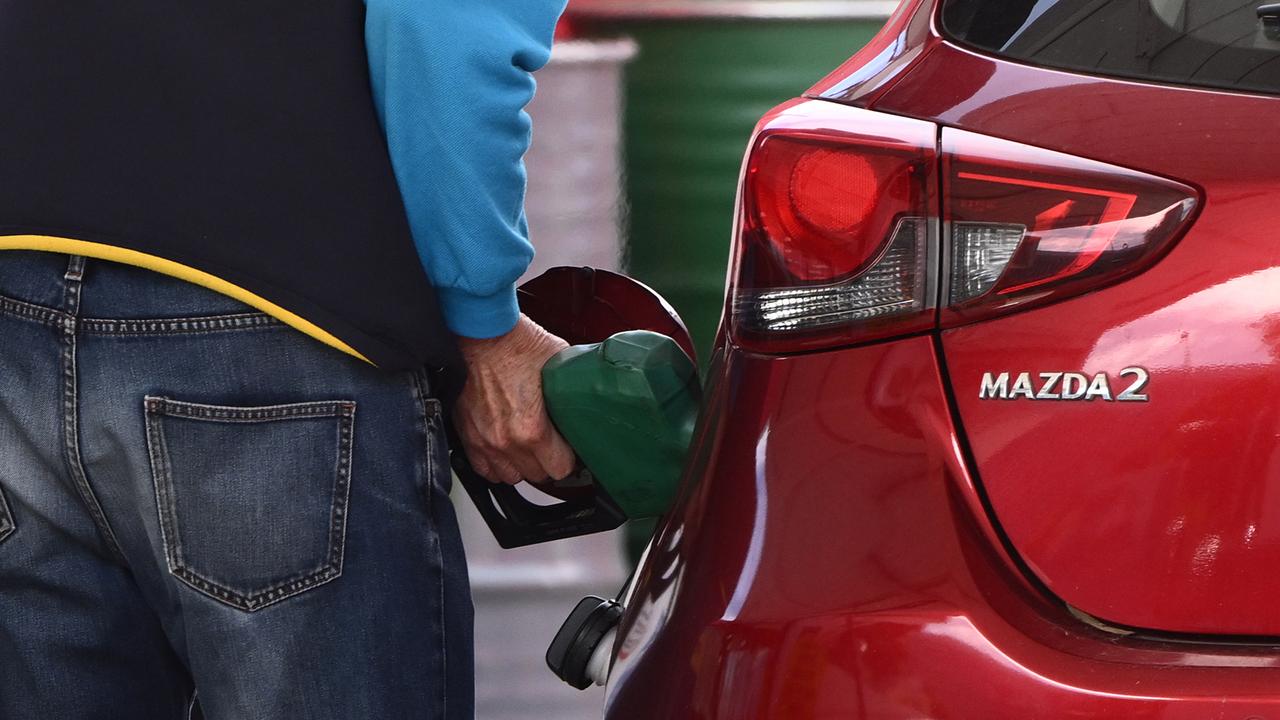
Everyone is hoping petrol prices keep falling but no one is confident.
Australian motorists woke on Saturday to news Iran had reopened the contentious Strait of Hormuz.
Yet by the time they’d soaped and hosed off the family ride and stepped inside for a coffee, Tehran was threatening to reimpose the restriction.
The United States says a convoy of oil tankers is crossing the crucial shipping channel in a first major movement of supplies since it and Israel launched war on Iran seven weeks ago.
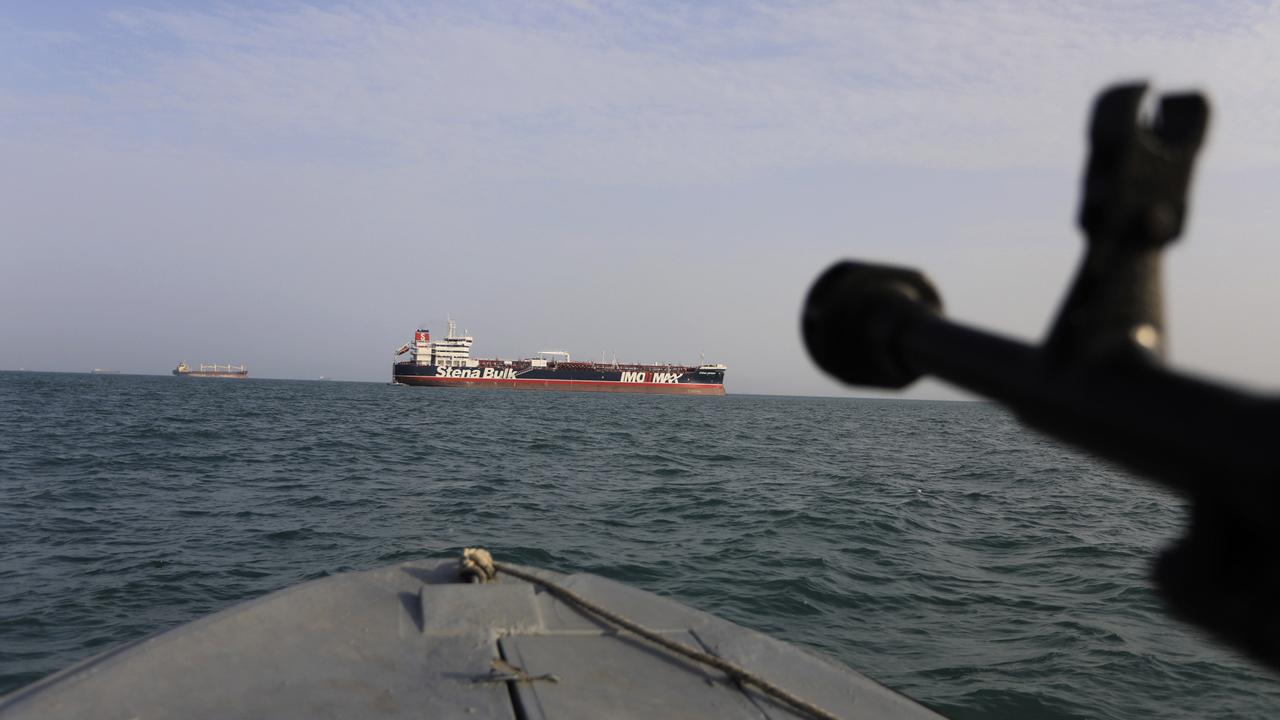
Yet late on Saturday, Australian time, confusion swirled, with reports Iran had fired on a ship attempting to pass.
Anthony Albanese was earlier positive a reinvigoration of maritime commerce would spell good news for Australian petrol and diesel prices.
He was at pains to stress the arrangement was fragile, following an overnight summit on Friday of some 50 countries to support an ongoing Middle East ceasefire.
The clock is ticking on the pause in hostilities, which could fall apart as soon as Wednesday.
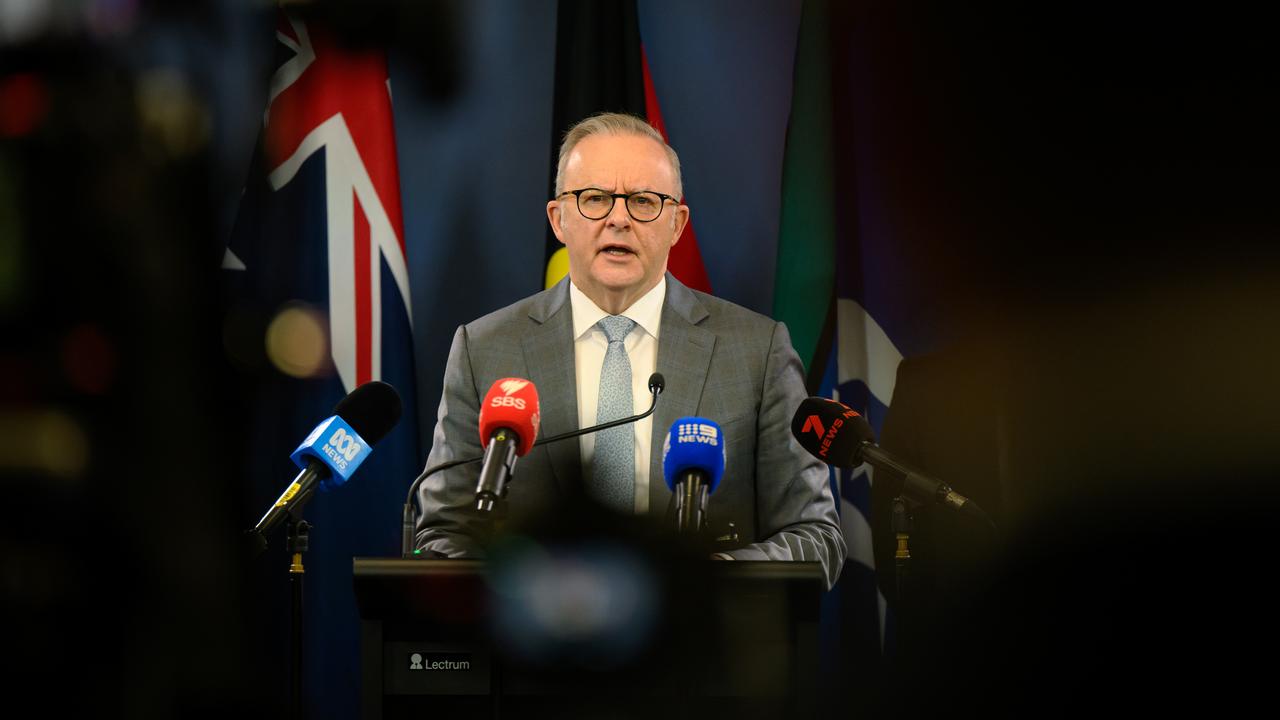
“We want to see de-escalation, we want to see the Strait of Hormuz opened and we want to see no privatisation and no tolls,” the prime minister told reporters in Sydney.
“We want to see this fragile arrangement confirmed and we want to see those ships being able to pass.”
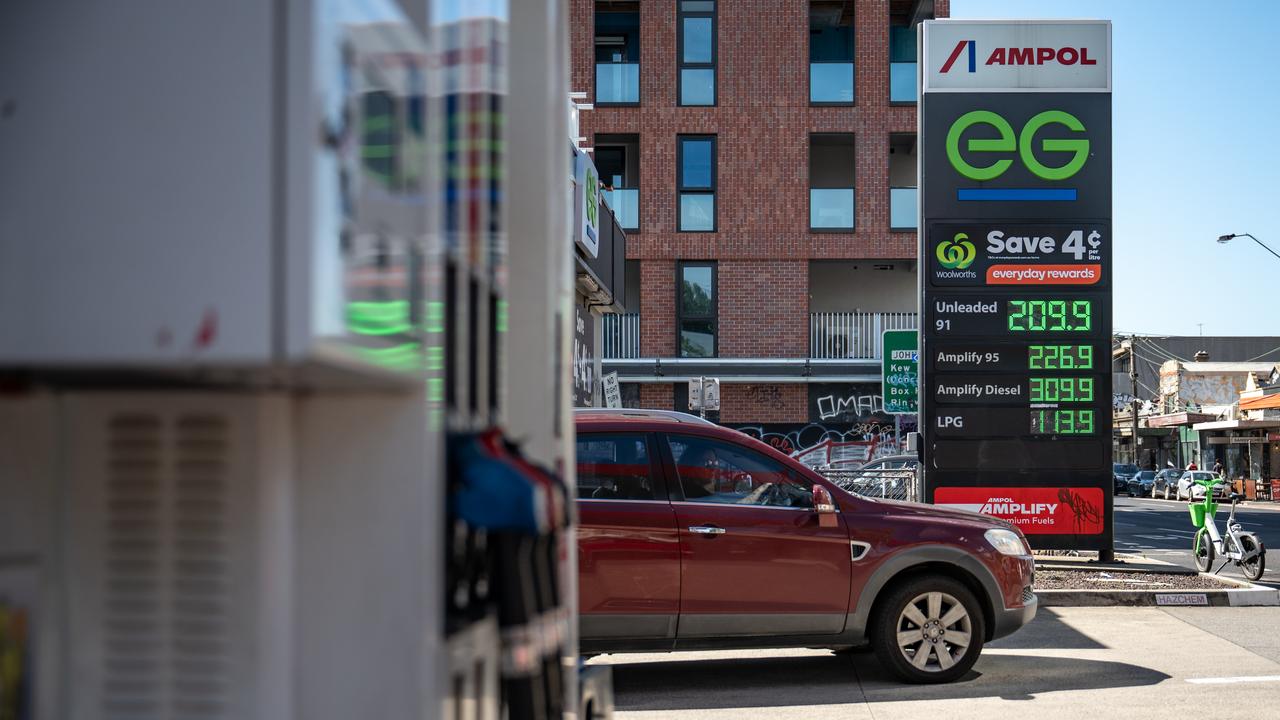
Australian bowser prices have dipped below $2.10 a litre and are under $3 for diesel for the first time since February across major cities.
However it may take time for consumers to feel the full impact of the Hormuz reopening even if it holds.
While recent falls in global oil prices are translating to cheaper fuel, markets are volatile, according to National Roads and Motorists Association spokesman Peter Khoury.
“Wholesale prices have been falling and they should continue to fall,” he told AAP.
“We are focusing on the wholesale prices in Australia because that’s the clearest indication of what going to happen at the bowser.
“It takes about seven to 10 days for those falls in oil prices to flow on in the Australian market.”
Reprieve aside, Mr Khoury is urging motorists to remain cautious, saying it is still unclear whether the cheaper fuel will last.
“Trying to predict what’s going to happen in the Middle East is the quickest way to get made a fool of yourself,” he added.
“We’re really careful not to get too far ahead of ourselves but the trajectory has been in the right direction, it’s been positive and we really need that to continue.”
Energy Minister Chris Bowen says Australia has 46 days of petrol in reserve and 31 days’ worth of diesel.
The number of petrol stations without fuel is also dropping and there are about 120 without diesel across the nation.
Australasian Convenience and Petroleum Marketers Association’s Rowan Lee told AAP the issue facing consumers was fuel price rather than supply.
He said price pressures were expected to continue for at least the next six months.
“It’s just really uncharted territory and that is not underplaying it,” he said.
Energy Economics and Financial Analysis spokesman Kevin Morrison told ABC News it could take six weeks before Australia gets 80 per cent of the oil that’s been affected coming back online if peace holds.
“I don’t think we can expect cheaper oil prices in the foreseeable future,” he said.